Industrial Cable Assemblies-Industrial Cable Assemblies factory
Industrial cables are the lifelines of various industrial operations, responsible for transmitting electricity, signals, and data, ensuring the smooth running of machinery and equipment. However, over time and due to various factors, industrial cables will age and deteriorate, and if they are not replaced in time, it may lead to equipment failure, production interruptions, and even safety accidents. Therefore, it is crucial to recognize the signs that an industrial cable needs replacement.
Visible Physical Damage
One of the most obvious signs that an industrial cable needs replacement is visible physical damage. This can manifest in several ways.
Cracks and splits on the cable sheath are common. The sheath is designed to protect the internal conductors from external factors. When cracks or splits appear, it exposes the internal components to dust, moisture, and other contaminants. For example, in a factory with a lot of dust, the dust can enter the cable through these cracks, accumulating on the conductors and affecting their conductivity. Over time, this can lead to short circuits. These cracks may be caused by prolonged exposure to extreme temperatures, frequent bending, or mechanical impact. For instance, if a cable is repeatedly stepped on by heavy machinery or rubbed against sharp edges of equipment, the sheath will gradually wear down and eventually crack.
Fraying of the cable is another sign. Fraying occurs when the outer layer of the cable starts to unravel, which can happen due to constant movement or tension. In conveyor belt systems, where cables may move along with the belts, the continuous friction and pulling can cause the cable to fray. Once fraying starts, it will only get worse, as the exposed fibers or wires can catch on other objects, further damaging the cable. This not only compromises the protection of the internal conductors but also increases the risk of electric shock for workers who come into contact with the cable.
Bulges or deformities on the cable are also indicators of potential problems. Bulges can be a sign of internal damage, such as insulation breakdown or conductor overheating. When the insulation inside the cable breaks down, it may cause a buildup of pressure, leading to a bulge. Overheating of the conductors, which can be caused by overloading, can also result in the insulation melting and forming a bulge. If left unaddressed, these bulges can burst, causing electrical failures or even fires.
Abnormal Temperature Rise
An industrial cable that is operating normally should maintain a relatively stable temperature. If you notice that a cable is abnormally hot to the touch during operation, it is a clear sign that something is wrong and replacement may be necessary.
Overloading is a common cause of abnormal temperature rise. When a cable is subjected to a current that exceeds its rated capacity, the conductors will generate more heat than they can dissipate. This excessive heat can damage the insulation, causing it to degrade and become less effective. For example, in a manufacturing plant where multiple machines are connected to a single cable, if the total current drawn by the machines exceeds the cable’s rating, the cable will overheat. Over time, this can lead to insulation failure, short circuits, and even fires.
Poor contact at the cable connections can also cause temperature rise. If the connections are loose or corroded, the resistance at the contact point increases, leading to heat generation. This heat can spread along the cable, affecting its overall performance. For instance, in electrical panels where cables are connected to terminals, corrosion or loose screws can result in poor contact. The heat generated at these points can not only damage the cable but also the surrounding components, increasing the risk of equipment failure.
Insulation Deterioration
The insulation of an industrial cable is vital for preventing electrical leakage and ensuring safe operation. Deterioration of the insulation is a significant sign that the cable needs replacement.
Hardening and brittleness of the insulation are common signs of aging. Over time, exposure to heat, chemicals, and ultraviolet radiation can cause the insulation material to lose its flexibility, becoming hard and brittle. This makes it more prone to cracking, which can expose the conductors and lead to electrical leakage. For example, cables used in outdoor industrial settings, such as solar power plants, are exposed to sunlight and varying weather conditions, which can accelerate insulation aging. Cracks in the insulation allow moisture to enter, increasing the risk of short circuits and electrical shocks.
Swelling or softening of the insulation can also indicate problems. This can be caused by exposure to oils, solvents, or other chemicals in the industrial environment. The insulation material may absorb these substances, leading to swelling and a loss of mechanical strength. In factories that use lubricants or cleaning solvents, cables in close proximity to these substances may suffer from insulation swelling. This can compromise the insulation’s ability to withstand voltage, increasing the risk of electrical breakdown.
Signal or Power Transmission Issues
Industrial cables are often used to transmit signals or power, and any issues with transmission are strong indicators that the cable needs replacement.
Frequent signal interruptions or loss of data are common problems with cables used for signal transmission. This can be caused by damaged conductors, poor insulation, or interference from other electrical equipment. For example, in a manufacturing facility with automated production lines, cables that transmit control signals between machines may experience interruptions if they are damaged. This can lead to equipment malfunctions, production delays, and quality issues.
Fluctuations in power supply or insufficient power delivery are signs of problems with power transmission cables. If the cable is unable to carry the required current consistently, it can cause equipment to operate erratically or not function at all. For instance, in a mining operation, where heavy machinery relies on a stable power supply, a faulty cable can lead to machinery breakdowns, disrupting the mining process and increasing downtime.
Corrosion
Corrosion of the cable’s conductors or other metal components is a serious issue that requires immediate attention. Corrosion can occur due to exposure to moisture, chemicals, or salt in the environment.
In industrial settings with high humidity, such as food processing plants or paper mills, moisture can accumulate on the cable’s surface, leading to corrosion of the conductors. Corroded conductors have increased resistance, which affects the cable’s ability to transmit electricity or signals. Over time, corrosion can eat through the conductors, causing them to break and resulting in complete transmission failure.
Exposure to chemicals, such as acids or alkalis, in industries like chemical processing can also cause corrosion. The chemicals can react with the metal components of the cable, weakening their structure and impairing their performance. For example, in a chemical plant, cables near chemical storage tanks or pipelines may be exposed to leaks, leading to corrosion and potential cable failure.
Age and Service Life
Even if an industrial cable shows no obvious signs of damage, it may still need replacement based on its age and service life. Most industrial cables have a rated service life, which is typically specified by the manufacturer. Factors such as operating environment, usage conditions, and maintenance practices can affect the actual service life of the cable.
If a cable has exceeded its rated service life, it is more likely to experience performance degradation and failure. For example, cables used in high-temperature environments may have a shorter service life than those used in moderate conditions. It is important to keep track of the installation date of the cables and schedule replacements accordingly, even if they appear to be functioning properly. This proactive approach can help prevent unexpected failures and ensure the continued reliability of industrial operations.
When it comes to ensuring the reliability and safety of your industrial operations, choosing high-quality industrial cables is essential. At FRS company, we take pride in our state-of-the-art factory that produces top-notch industrial cables designed to withstand the harshest industrial environments. Our cables are manufactured using premium materials and advanced technology, ensuring superior resistance to physical damage, temperature fluctuations, insulation deterioration, and corrosion.
We understand the importance of industrial cables in your operations, which is why we subject our products to rigorous testing to meet and exceed industry standards. Whether you need cables for signal transmission, power delivery, or any other industrial application, FRS has the right solution for you. Our team of experts is dedicated to providing personalized service, helping you select the perfect cables for your specific needs. Trust FRS to keep your industrial operations running smoothly with our reliable and durable industrial cables. Choose FRS, and experience the difference in quality and performance.
Our factory offers high-quality products at competitive prices
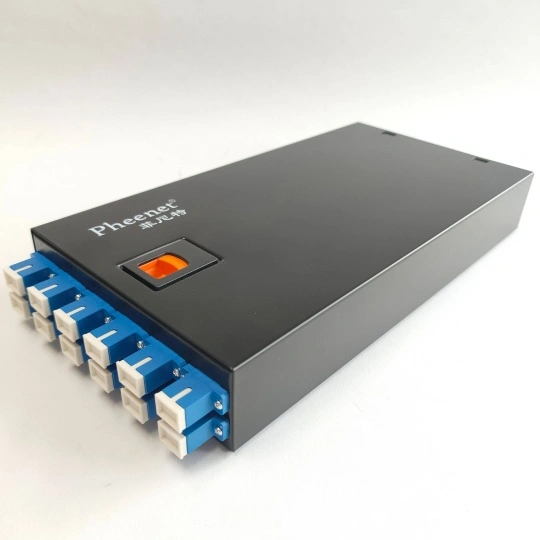
Product OverviewQuick-Install Cable Adapters are the game-changing connectivity solution designed for professionals and DIY enthusiasts alike. Engineered to eliminate installation hassles, these adapters provide instant, tool-free conne.
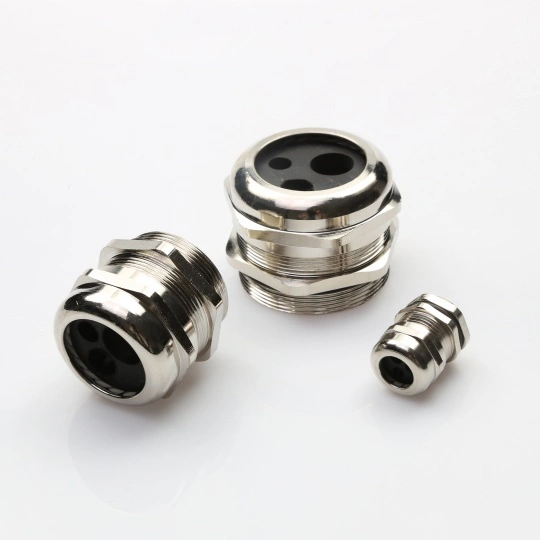
Corrosion-Resistant Cable Connectors: Reliable Connectivity for Harsh Environments Ensure uninterrupted performance in the toughest conditions with our corrosion-resistant cable connectors. Designed for durability and longevity, these.
Feel free to reach out to us for any inquiries or orders.