Industrial Cable Assemblies-Industrial Cable Assemblies factory
Key Structural Elements Affecting Corrosion Resistance
1. Conductor Protection
Metallic Conductors:
Bare Copper: Prone to oxidation and galvanic corrosion in humid or salty environments.
Tinned/Coated Conductors:
Tin Plating: Prevents copper oxidation and sulfide corrosion.
Silver/Nickel Coatings: Used in high-temperature or chemically aggressive settings.
Stranding and Layering:
Tightly stranded conductors with fillers (e.g., water-blocking gels) reduce gaps where moisture can accumulate.
2. Insulation and Barrier Layers
Non-Porous Insulation:
XLPE (Cross-Linked Polyethylene): Resists water ingress and electrochemical degradation.
PTFE (Teflon): Chemically inert, ideal for acidic/alkaline environments.
Multi-Layer Insulation:
Combining materials (e.g., FEP over EPDM) creates redundancy against chemical permeation.
3. Shielding and Armor
Metallic Shields:
Braided Copper: Provides EMI protection but requires anti-corrosion coatings (e.g., tinning) in humid climates.
Aluminum Foil: Lightweight and oxidation-resistant but less durable in mechanical stress.
Armored Cables:
Galvanized Steel Wire Armor (SWA): Resists rust in marine environments.
Stainless Steel Armor: Superior for saltwater or chemical exposure but costly.
4. Jacket Design and Sealing
Material Selection:
Polyurethane (PUR): Oil-resistant, flexible, and hydrolytically stable.
Chlorosulfonated Polyethylene (CSPE): Excellent chemical and UV resistance.
Fluoropolymers (PVDF, ETFE): For extreme chemical or thermal conditions.
Sealing Techniques:
Overmolded Connectors: Prevent moisture ingress at termination points.
Radial and Longitudinal Water Blocking: Use of swellable tapes or gels inside the cable core.
Structural Weak Points and Mitigation Strategies
1. Gaps in Shielding or Insulation
Risk: Moisture or chemicals penetrate through gaps, causing internal corrosion.
Solution:
Extruded Insulation: Ensures seamless coverage around conductors.
Laminated Shields: Foil shields bonded to polymer layers eliminate air pockets.
2. Cable Termination Points
Risk: Exposed conductors or poorly sealed connectors become corrosion hotspots.
Solution:
Hermetic Seals: Use epoxy or laser welding for connectors in subsea applications.
Stainless Steel Connector Housings: Resist pitting and crevice corrosion.
3. Mechanical Damage
Risk: Cracks or abrasions in the jacket expose internal layers to corrosive agents.
Solution:
Abrasion-Resistant Jackets: PUR or CSPE with added thickness (e.g., 2–3 mm).
Anti-Crush Design: Corrugated metal tubes or aramid yarn reinforcement.
Case Study: Offshore Wind Farm Cables
Challenge: Submarine cables in offshore wind farms face saltwater immersion, hydrogen sulfide, and mechanical stress.
Structural Solution:
Conductors: Tinned copper with XLPE insulation.
Armor: Double-layer galvanized steel wires.
Jacket: High-density polyethylene (HDPE) with UV stabilizers.
Sealing: Glandless, overmolded terminations with IP68/IP69K ratings.
Result: 25-year lifespan with minimal maintenance despite harsh marine conditions.
Testing and Certification Standards
IP Ratings: IP67/IP68 for dust/water resistance.
IEC 60529: Tests for corrosive gas resistance (e.g., SO2, H2S).
NEMA 4X: Validates corrosion resistance in industrial enclosures.
ASTM B117: Salt spray testing for marine-grade cables.
Material-Structure Synergy for Corrosion Resistance
Structure Corrosion Threat Optimal Material Pairing
Submerged Cables Saltwater, biofouling HDPE jacket + stainless steel armor
Chemical Plant Cables Acids, solvents PTFE insulation + PVDF jacket
Underground Cables Soil microbes, moisture XLPE insulation + CSPE jacket
Aerospace Cables Jet fuel, hydraulic fluids ETFE insulation + nickel-plated connectors
Emerging Innovations
Nano-Coated Conductors:
Graphene or ceramic coatings provide atomic-level corrosion barriers.
Self-Healing Jackets:
Polymers with microcapsules release anti-corrosion agents when damaged.
Hybrid Armor Designs:
Composite materials (e.g., fiberglass + thermoplastic) resist corrosion and reduce weight.
Our factory offers high-quality products at competitive prices
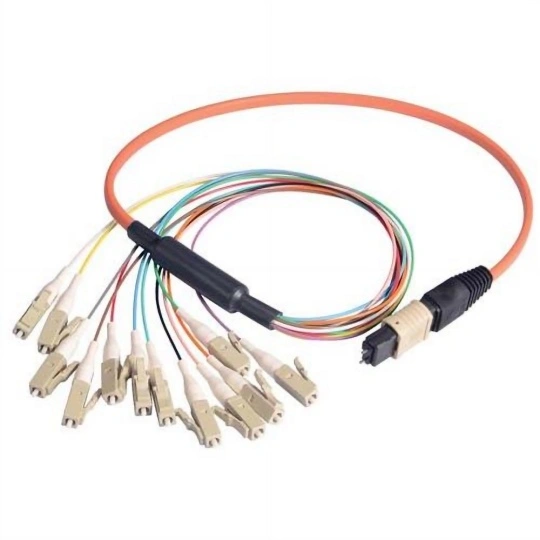
Heavy machinery cable assemblies are robust, high-performance connectivity solutions engineered to meet the demanding requirements of industrial and heavy-duty applications. Designed for durability, reliability, and optimal performance in.
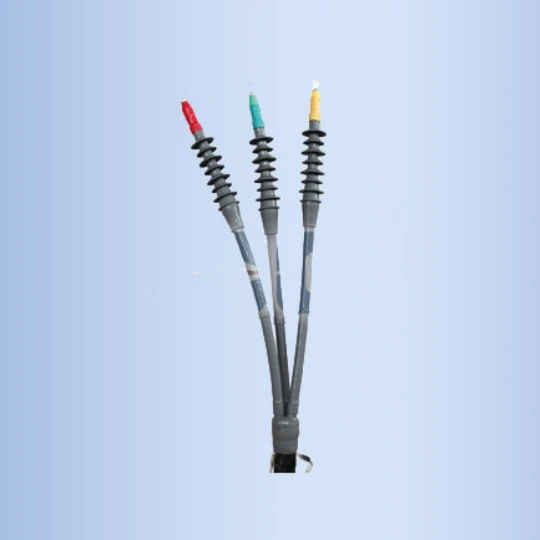
When it comes to electrical systems operating under extreme mechanical and electrical stress, high-load cable terminations are critical components that ensure seamless power transmission, safety, and system longevity. Engineered to .
Feel free to reach out to us for any inquiries or orders.