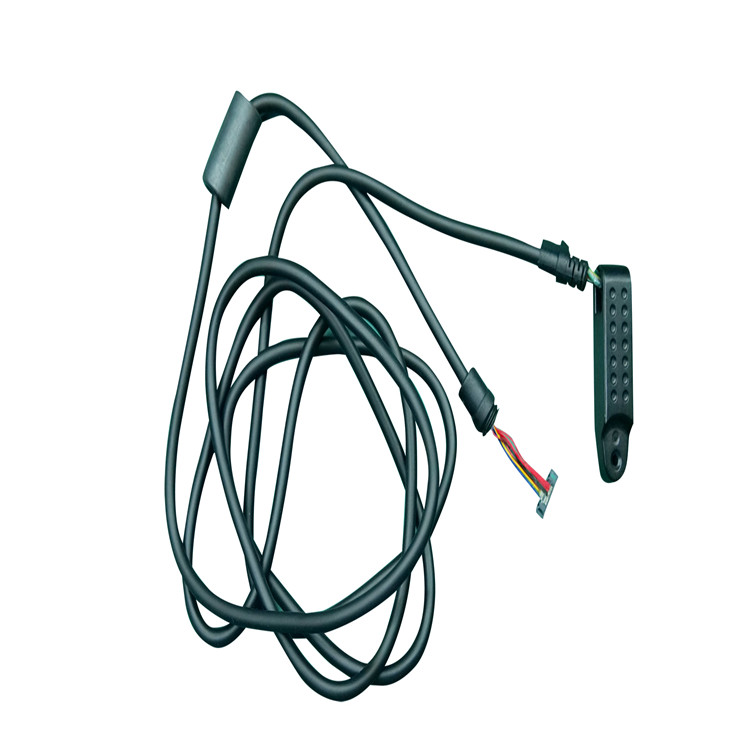
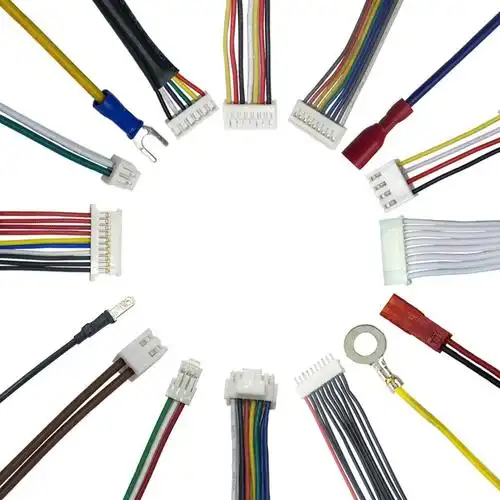
Industrial cable assemblies are the unsung heroes of modern manufacturing, automation, and infrastructure. These specialized bundles of wires, connectors, and protective components ensure seamless power transmission, data transfer, and signal communication in demanding environments. From factory floors to renewable energy plants, industrial cable assemblies enable critical operations across industries. Let’s explore their uses, benefits, and how to choose the right ones for your needs.
1. Core Functions of Industrial Cable Assemblies
Industrial cable assemblies are engineered to perform three essential roles:
Power Transmission They deliver electricity to heavy machinery, robotics, motors, and HVAC systems. High-voltage assemblies handle energy-intensive processes, while low-voltage variants power control systems.
Data and Signal Communication Modern industries rely on real-time data exchange. Cable assemblies connect sensors, PLCs (Programmable Logic Controllers), and IoT devices, enabling automation, predictive maintenance, and process monitoring.
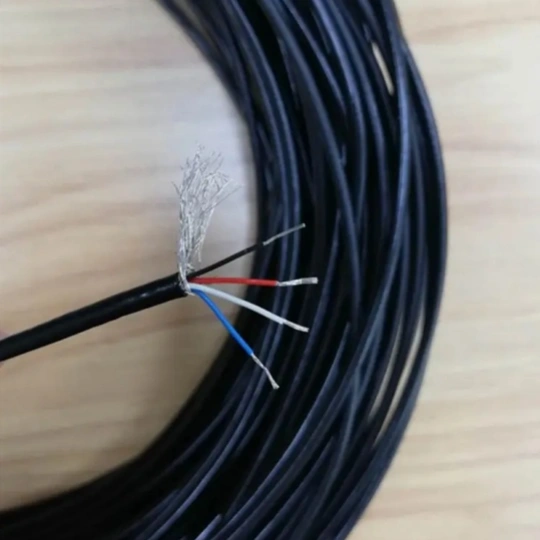
Environmental Protection Industrial settings expose cables to extreme temperatures, chemicals, moisture, and abrasion. Shielded or jacketed assemblies (e.g., PVC, TPE, or PUR materials) safeguard against damage and interference.
2. Key Industries That Depend on Industrial Cable Assemblies
Manufacturing & Automation Robotic arms, CNC machines, and assembly lines use custom cable assemblies for precision movement and uninterrupted operation.
Energy & Utilities Solar farms, wind turbines, and power grids rely on UV-resistant, weatherproof cables for energy distribution and grid stability.
Transportation From railways to electric vehicles (EVs), cable assemblies power control systems, charging stations, and onboard electronics.
Oil & Gas Explosion-proof, corrosion-resistant assemblies are critical for drilling rigs, refineries, and pipelines in hazardous zones.
Telecommunications Fiber-optic and coaxial cable assemblies ensure high-speed data transfer for 5G networks, data centers, and broadcasting systems.
Medical Equipment Sterilizable, flexible cables connect imaging devices, patient monitors, and surgical tools in healthcare settings.
3. Benefits of Using Industrial-Grade Cable Assemblies
Durability: Built to withstand vibration, temperature extremes (-40°C to 120°C+), and mechanical stress.
Customization: Tailored lengths, connectors (e.g., M12, RJ45, circular), and shielding (braided, foil) for specific applications.
Safety Compliance: Meet industry standards like UL, IEC, and ISO for fire resistance, EMI/RFI shielding, and electrical safety.
Cost Efficiency: Reduced downtime and longer lifespans lower total ownership costs compared to standard cables.
4. How to Choose the Right Industrial Cable Assembly
Assess Environmental Conditions Will the cables face moisture, chemicals, or high temperatures? Choose materials like silicone for heat resistance or Teflon for chemical exposure.
Define Performance Requirements Determine voltage, current, data speed (e.g., Cat6 for Ethernet), and flexibility needs (e.g., continuous flexing for robotics).
Verify Certifications Look for RoHS (hazardous substance-free), ATEX (explosion protection), or MIL-SPEC (military-grade durability) compliance.
Partner with a Trusted Supplier Experienced manufacturers like [Your Company Name] offer design support, rapid prototyping, and rigorous testing (e.g., pull tests, bend cycles).
5. Common Applications in Action
Automotive Manufacturing: Cable assemblies connect welding robots and conveyors in assembly plants.
Wind Turbines: Submersible cables transmit power from nacelles to grid networks.
Food Processing: Stainless-steel connectors and washdown-rated cables meet hygienic standards.
In the complex ecosystem of industrial networking, industrial cable assemblies serve as the critical physical backbone that ensures seamless, reliable, and efficient data and power transmission. Unlike standard commercial cables, these ...
Construction sites are dynamic, high-stakes environments where every component plays a critical role in ensuring projects run smoothly, safely, and on schedule. Among the countless materials and equipment used, industrial cables stand o...
In the realm of data and power transmission, industrial cables and network cables are two essential components, but they serve distinctly different purposes due to varying operational demands. While both facilitate signal or data transf...
In industrial electrical systems, PVC-insulated industrial cables are widely used transmission components designed to safely carry electrical current between equipment, machinery, and power sources. Unlike residential cables, these cabl...
Smart factories are revolutionizing manufacturing by integrating advanced technologies like IoT, robotics, and AI. At the heart of these systems lies a critical component often overlooked: custom cables. Here’s why tailored cabling sol...
Outdoor environments demand robust connectivity solutions that withstand harsh conditions like dust, moisture, extreme temperatures, and mechanical stress. IP67/IP68-rated cable assemblies are engineered to meet these challenges, offeri...
How long does an industrial cable typically last in harsh environments? This is a critical question for industries ranging from manufacturing and mining to oil and gas, where cables are exposed to extreme conditions that can significant...
In high-performance automation, CE certified industrial cable assembliesare not just a compliance checkbox. They are a foundational element for ensuring safety, uptime, and seamless market access for your robots and automated guided veh...
Customizing industrial cable assemblies is essential for meeting specific application demands, but balancing performance requirements with budget constraints remains a critical challenge. Achieving this balance requires careful consider...
Faulty cable assemblies are the hidden gremlins of industrial operations. They bring production lines to a standstill, cause costly downtime, and create potentially hazardous situations. Effective troubleshooting is essential. This guid...
In industrial settings such as manufacturing plants, oil refineries, automotive production lines, and marine engineering, cable assemblies are often exposed to harsh conditions—constant oil immersion, high temperatures, mechanical abras...
Industrial cables play a vital role in the automotive industry, enabling the smooth operation of various systems. Here are their common applications along with practical solutions:
Power Transmission
Vehicles rely on industrial ca...
Choosing where your industrial cable assemblies come from isn’t just about cost or lead time – it’s a significant environmental decision. Sourcing these critical components locally offers a powerful, practical way to shrink ...
In the dynamic landscape of industrial infrastructure, the reliability and performance of industrial cables are of paramount importance. As we step into 2025, several brands have emerged as frontrunners, setting the benchmark for qualit...
In the field of electrical engineering, cables are the lifelines that ensure the stable transmission of electricity. However, not all cables are created equal. Industrial cables and power cables, though both designed for electrical tran...
Smart factories rely on seamless, robust, and high-speed communication between diverse machines, sensors, controllers, and enterprise systems. Industrial cable assemblies form the vital physical backbone for this data flow. Supporting t...
In the dynamic world of robotics, where machines perform intricate movements, handle complex tasks, and operate in diverse environments, the role of industrial cables is often underestimated. Among the key properties of these cables, fl...
Insulation breakdown in industrial cable assemblies is a critical failure point. It leads to unexpected downtime, costly repairs, safety hazards, and equipment damage. Understanding the why is the first step to preventing it. ...
In industrial environments such as metallurgy, chemical processing, new energy power generation, and aerospace manufacturing, equipment often operates in high-temperature conditions—ranging from 150°C to over 600°C in some extreme cases...
Industrial cable assemblies are the unsung heroes of modern manufacturing, automation, and infrastructure. These specialized bundles of wires, connectors, and protective components ensure seamless power transmission, data transfer, and ...
In today’s fast-paced manufacturing world, precision is non-negotiable—especially in industries like aerospace, automotive, and electronics, where a single faulty cable can lead to system failures or safety risks. Traditional cable asse...
Industrial cables are the lifeline of electrical systems in various industrial sectors, ranging from manufacturing plants and power generation facilities to oil refineries and transportation networks. Their role in transmitting electric...
Cable assemblies are the lifelines of the energy sector, enabling the generation, transmission, and distribution of power across diverse environments—from offshore wind farms to underground oil rigs. As the global demand for energy grow...
The Invisible Crisis
While most consumers worry about plastic bottles and food packaging, discarded cables quietly become one of fastest-growing waste streams. A 2025 Global E-Waste Monitor report reveals that cable waste increased b...
In the ever – evolving landscape of electronics and communication, the quality of cables used for signal transmission plays a pivotal role. Among these, coaxial cables with gold – plated contacts have emerged as a top choice...
The Internet of Things (IoT) is no longer a futuristic concept—it’s reshaping industries, homes, and cities. From smart thermostats to industrial sensors, billions of IoT devices are now online. But as the IoT ecosystem grows, so does t...
Sensor cable assemblies are critical components that connect sensors to data acquisition systems, control units, or other electronic devices. Their performance directly impacts the accuracy, reliability, and longevity of the entire sens...
In industries where extreme heat is a constant challenge—from manufacturing plants to renewable energy systems—cable failures can lead to catastrophic consequences. A groundbreaking advancement in high-temperature (high-temp) cable tech...
Automated Guided Vehicles (AGVs) represent a cornerstone of modern industrial automation, driving efficiency in logistics, manufacturing, and warehousing. While navigation systems, batteries, and control software often capture the spotl...
Industrial cables serve as the “nerve and blood vessels” of modern manufacturing, power transmission, and automation systems, connecting critical equipment like motors, sensors, and control panels. In industrial environments...
As global temperatures rise and extreme weather events become more frequent, industries worldwide are rethinking infrastructure design to withstand environmental challenges. Among these innovations, climate-proof cables are emergi...
In the complex ecosystem of industrial machinery, every component plays a pivotal role in ensuring seamless operation, and industrial cables stand out as the unsung heroes. These cables are not mere conductors of electricity or data; th...
In the complex infrastructure of industrial facilities, the role of industrial cable installation services cannot be overstated. These services form the backbone of reliable power distribution, data transmission, and communication withi...
As cyberattacks grow more sophisticated, organizations are rethinking physical infrastructure security. Shielded cables, once a niche solution for industrial settings, are now surging in demand as businesses prioritize holistic cybersec...
The cable industry, a backbone of modern technology, is poised for transformative changes by 2025. Engineers and industry experts are forecasting advancements driven by sustainability, digitalization, and evolving infrastructure demands...
Recent advancements in high-voltage cable testing reveal a global regulatory shift towards stricter standards. With major economies implementing upgraded testing protocols, the power infrastructure sector faces both challenges and oppor...
Cable systems are the vital circulatory network delivering power and data that keeps our modern world running. Yet, they operate largely out of sight and, too often, out of mind – until disaster strikes. A single cable failure can cripp...
In 2026, industrial systems are more complex and densely packed with electronics than ever. As a result, shielded industrial cable assembliesare no longer just passive links; they are critical system components that determine equipment ...
When upgrading heavy machinery, the weakest link is often not the engine or hydraulics, but the cable assemblies connecting sensors, actuators, and control systems. Standard M12 industrial cable assemblies can fail prematurely in high-v...
Industrial settings like oil refineries, chemical plants, grain silos, and paint spray booths contain areas where flammable gases, vapors, dusts, or fibers can be present. Using standard electrical equipment here can trigger explosions....
Industrial Cable Assembly Product Summary
Material & Safety
Utilizes premium raw materials and globally recognized components (e.g., ABB, TE Connectivity) ensuring high reliability and safety to prevent risks like fire and e.
Ensure reliable power transmission and long-lasting performance in the harshest conditions with our High-Temperature Resistant Cable Accessories. Engineered to withstand extreme heat, these premium-grade accessories are designed to prote.
Contact Us
Feel free to reach out to us for any inquiries or orders.