
Industrial Cable Assemblies-Industrial Cable Assemblies factory
Cleanroom environments are critical in industries such as pharmaceuticals, semiconductors, biotechnology, and aerospace, where even minute contaminants can compromise product quality, manufacturing processes, or regulatory compliance. Industrial cables, as essential components for power transmission, data communication, and equipment control in these spaces, require meticulous selection. Unlike standard industrial cables, those used in cleanrooms must balance performance reliability with strict contamination control, chemical resistance, and environmental adaptability. This article outlines the key considerations and a step-by-step guide to choosing the right industrial cable for cleanroom applications.
Cleanrooms are classified by standards like ISO 14644-1, which specifies the maximum allowable concentration of airborne particles (e.g., Class 5 allows ≤3,520 particles/m³ of 0.5μm size). Cables must not contribute to particle generation or outgassing. Look for cables with low-particulate-emitting jackets made from materials such as polyvinyl chloride (PVC) formulated for cleanrooms, polytetrafluoroethylene (PTFE), or perfluoroalkoxy (PFA). These materials minimize shedding of fibers, dust, or volatile organic compounds (VOCs) that could contaminate the environment. Avoid cables with braided shields made of loose fibers or uncoated metals, as they may release particles over time.
Cleanrooms often use harsh cleaning agents (e.g., isopropyl alcohol, hydrogen peroxide, or alkaline detergents) and may expose cables to process chemicals (e.g., solvents in semiconductor manufacturing). The cable’s jacket and insulation must resist degradation, swelling, or cracking when in contact with these substances. PTFE and PFA are ideal for high chemical resistance, while ethylene propylene diene monomer (EPDM) is suitable for moderate chemical exposure. Always check the cable manufacturer’s chemical compatibility chart to ensure it aligns with the specific cleaners and process fluids used in your cleanroom.
Cleanrooms may operate at controlled temperatures (typically 20–24°C) and relative humidity (30–50%), but some applications (e.g., aerospace component testing or pharmaceutical lyophilization) involve extreme temperature fluctuations. Cables must maintain electrical and mechanical integrity across the operating temperature range. For high-temperature environments (up to 260°C), PFA or silicone-insulated cables are preferred. For low-temperature applications (down to -60°C), PVC or polyethylene (PE) jackets offer flexibility and stability. Additionally, cables should resist moisture absorption to prevent mold growth or electrical breakdown in humid conditions.
Cleanroom cables may be subject to frequent movement (e.g., in automated equipment or robotic arms) or physical contact during maintenance. They need to withstand bending, torsion, and abrasion without compromising their jacket or insulation. Look for cables with reinforced jackets (e.g., Kevlar-reinforced PTFE) or flexible stranding (e.g., fine-gauge copper conductors) to enhance fatigue resistance. Avoid rigid cables that may crack when bent, as this can expose internal components and release contaminants.
The cable’s electrical properties must meet the requirements of the cleanroom equipment (e.g., power cables for motors, data cables for sensors). For power transmission, ensure the cable has the correct ampacity (current-carrying capacity) to avoid overheating, which could generate particles or pose a fire risk. For data cables (e.g., Ethernet or signal cables), shielded designs (e.g., foil or braided shields) are essential to prevent electromagnetic interference (EMI) from disrupting sensitive equipment. The insulation resistance should also be high to avoid electrical leakage, which can affect process accuracy.
Industries like pharmaceuticals and medical devices must comply with strict regulations (e.g., FDA guidelines for food contact or medical use, or CE marking for European markets). Cables used in these sectors should be certified to relevant standards, such as UL 94 for flame retardancy (critical in cleanrooms where fire can spread quickly) or IEC 60332 for fire performance. Ensure the cable manufacturer provides documentation of compliance to avoid regulatory penalties.
When it comes to industrial cables for cleanroom environments, FRS brand factory combines expertise, quality, and customization to meet the unique needs of critical industries. FRS cables are engineered with low-particulate, low-outgassing materials (including medical-grade PTFE and FDA-compliant PVC) that exceed ISO 14644-1 Class 5 standards, ensuring minimal contamination risk. Each cable undergoes rigorous testing for chemical resistance, temperature stability, and electrical performance, with full compliance documentation for FDA, UL, and IEC requirements. Whether you need flexible cables for robotic arms or shielded data cables for semiconductor tools, FRS offers tailored solutions to match your cleanroom’s specific conditions. Trust FRS to deliver reliable, compliant cables that protect your processes, products, and reputation.
Our factory offers high-quality products at competitive prices
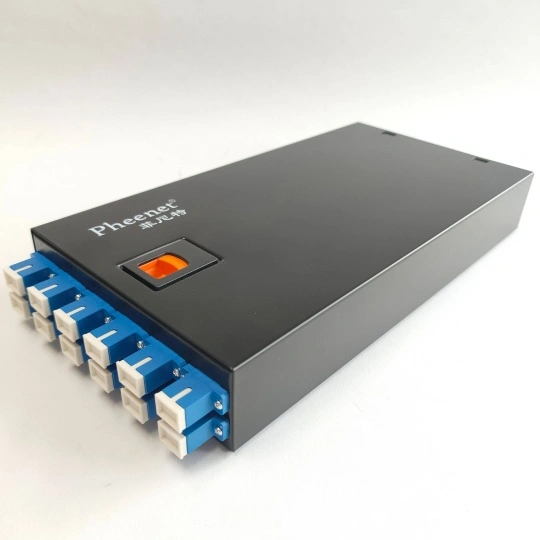
Product OverviewQuick-Install Cable Adapters are the game-changing connectivity solution designed for professionals and DIY enthusiasts alike. Engineered to eliminate installation hassles, these adapters provide instant, tool-free conne.
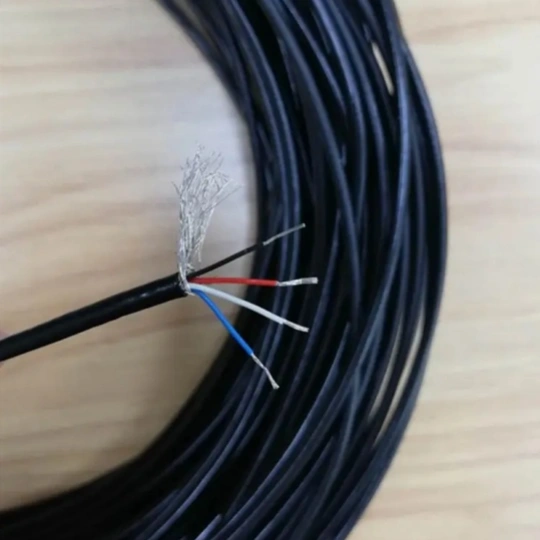
Ensure reliable power transmission and long-lasting performance in the harshest conditions with our High-Temperature Resistant Cable Accessories. Engineered to withstand extreme heat, these premium-grade accessories are designed to prote.
Feel free to reach out to us for any inquiries or orders.