
Industrial Cable Assemblies factory

Industrial Cable Assemblies factory

Industrial Cable Assemblies-Industrial Cable Assemblies factory

INFO

Introduction
In industrial settings, reliable connectivity is critical for operational efficiency and safety. While traditional cables have been the backbone of electrical systems for decades, ​industrial cable assemblies are increasingly favored for their robustness and customization. This article compares industrial cable assemblies and traditional cables, highlighting their design, performance, applications, and cost-effectiveness to help businesses make informed decisions.


1. Definitions and Structural Differences

Traditional Cables

Traditional cables are standardized, mass-produced wires designed for general-purpose use. They typically feature:

  • Basic insulation (e.g., PVC).
  • Limited shielding against electromagnetic interference (EMI).
  • Fixed lengths and connector types.

Common in residential and light commercial applications, they lack the durability required for harsh industrial environments.

Industrial Cable Assemblies

Industrial cable assemblies are engineered for specific industrial needs. Key features include:

  • Reinforced Construction: Multiple layers of insulation (e.g., TPE, PUR) and shielding (braided or foil).
  • Customization: Tailored lengths, connectors (e.g., M12, M8), and multi-conductor designs.
  • Enhanced Protection: Resistance to abrasion, chemicals, extreme temperatures (-40°C to 125°C), and UV exposure.

These assemblies are modular, pre-tested, and built to meet stringent industry standards like UL, IEC, and IP ratings.


2. Performance Comparison

CriteriaIndustrial Cable AssembliesTraditional Cables
DurabilityBuilt to withstand harsh conditions (vibration, moisture, chemicals).Prone to wear in demanding environments.
FlexibilityHigh flexibility for dynamic applications (robotics, moving machinery).Limited bend radius; risk of cracking.
EMI/RFI ShieldingAdvanced shielding for noise-free signal transmission.Minimal protection; interference risks.
Temperature RangeOperate in extreme cold/heat (-40°C to 125°C).Standard range (-20°C to 60°C).
Lifespan10–20+ years with minimal maintenance.3–8 years, depending on environment.

3. Application Scenarios

Where Industrial Cable Assemblies Excel

  • Factory Automation: Robotic arms, CNC machines, and conveyor systems requiring continuous flexing.
  • Energy & Heavy Machinery: Offshore rigs, wind turbines, and mining equipment exposed to dust, moisture, and vibrations.
  • Transportation: Railways, EVs, and aerospace systems needing lightweight, high-temperature resistance.
  • Data Centers: Shielded assemblies for high-speed data transfer and reduced crosstalk.

Traditional Cables’ Niche

  • Low-cost residential wiring (lighting, HVAC).
  • Short-term projects with minimal environmental stress.
  • Non-critical indoor applications (office electronics).

4. Cost-Benefit Analysis

Upfront Costs

  • Traditional Cables: Cheaper initially due to standardized production.
  • Industrial Cable Assemblies: Higher initial cost (20–50% more) due to customization and advanced materials.

Long-Term Value

  • Industrial assemblies reduce downtime, replacement costs, and risks of system failure. For example, a study by Grand View Research notes that industries using ruggedized cables save up to 30% in maintenance expenses over five years.
  • Traditional cables may incur hidden costs from frequent replacements and unplanned outages in harsh settings.

5. How to Choose Between Them

Consider industrial cable assemblies if your project involves:

  • Harsh environments (extreme temperatures, chemicals).
  • High mechanical stress (flexing, vibrations).
  • Compliance with safety standards (ATEX, NEC).
  • Long-term reliability needs.

Opt for traditional cables when:

  • Budget constraints prioritize upfront savings.
  • Applications are static, indoor, and low-risk.

6. Future Trends in Industrial Cabling

  • Smart Cable Assemblies: Integration of sensors for real-time health monitoring.
  • Eco-Friendly Materials: Recyclable insulation to meet sustainability mandates.
  • High-Speed Data Cables: Catering to Industry 4.0 and IoT-driven automation.

FAQ

NEWS

More Products

Our factory offers high-quality products at competitive prices
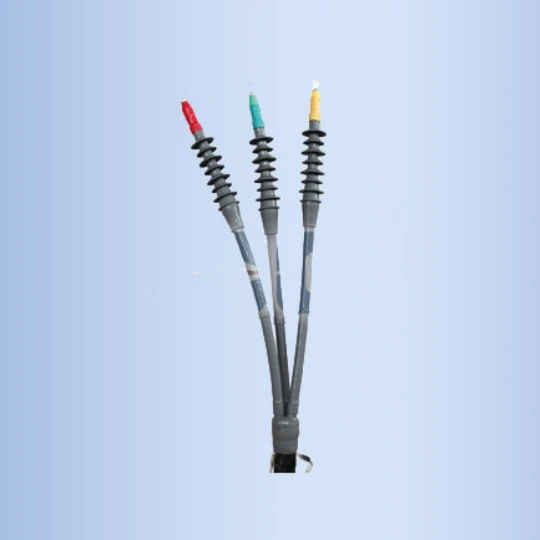
High-load cable terminations

High-load cable terminations

When it comes to electrical systems operating under extreme mechanical and electrical stress, ​high-load cable terminations are critical components that ensure seamless power transmission, safety, and system longevity. Engineered to .
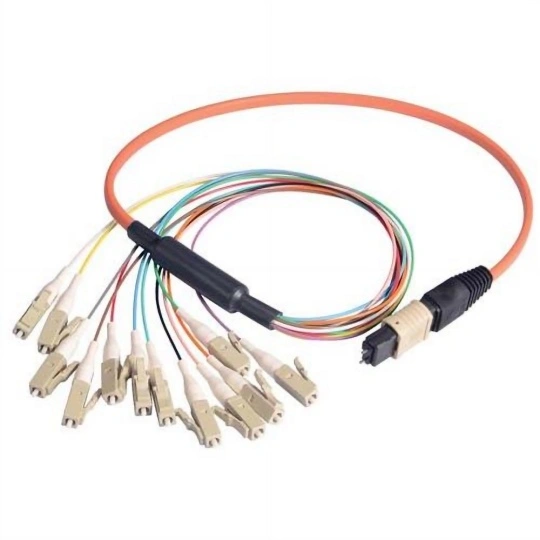
Heavy machinery cable assemblies

Heavy machinery cable assemblies

Heavy machinery cable assemblies are robust, high-performance connectivity solutions engineered to meet the demanding requirements of industrial and heavy-duty applications. Designed for durability, reliability, and optimal performance in.

Contact Us

Feel free to reach out to us for any inquiries or orders.

Call Us

Have a question? Give us a call!

+861881875005

Email Us

Send us an email and we'll get back to you soon.

sales@custom-cable-assemblies.com
       
Home Products Contact