Best

Industrial Cable Assemblies factory

Liquid-Cooled Technology: The Future of New Energy Vehicle Industrial...

The shift to new energy vehicle (NEV) industrial cable assembliesis being defined by one critical factor: the rise of liquid-cooled technologyfor fast charging. As the industry moves toward 800V architectures and megawatt-level charging, traditional air-cooled cables can no longer meet the demands for power, safety, and user experience. This article explores the engineering, market, and application realities of liquid-cooled EV cable assemblies, providing a roadmap for those involved in system design, manufacturing, and procurement.


📈 The Strategic Role of Industrial Cable Assemblies in EV Growth

New energy vehicle industrial cable assembliesare complete, application-specific wiring systems. They integrate power conductors, signal lines, connectors, shielding, and protective sheaths into a unified solution for high-voltage power distribution, battery management, on-board charging, and communication networks.

The market reflects their strategic importance. In 2024, the global EV cable assembly market was valued at approximately 26.6billion∗∗,projectedtonearlydoubleto∗∗53.4 billion by 2031, with a compound annual growth rate (CAGR) of about 11%.

Key market drivers include:

  • Rapid NEV Adoption:China, Europe, and North America are seeing surging sales of battery electric and plug-in hybrid vehicles.
  • High-Voltage Platforms:The industry is standardizing around 800V architecturesto enable faster charging and higher efficiency.
  • Infrastructure Expansion:The build-out of public DC fast-charging stations and vehicle-to-grid (V2G) systems is creating massive demand for high-current cables.

For infrastructure developers and OEMs, the industrial cable assembly is not just a component; it is the primary thermal, electrical, and mechanical interface between the vehicle and the charging infrastructure.


🔥 The Thermal Bottleneck of Conventional Cables

As charging power increases, so does the thermal load on cables. A 350–500 kW DC fast charger can push currents beyond 500A. In conventional air-cooled cables, this leads to significant challenges:

  • Heat Buildup:Resistive (I²R) losses cause rapid temperature rise in the conductor and connector.
  • Size & Weight:To stay within safe temperature limits, cables require larger cross-sections and thicker insulation, making them bulky and heavy.
  • Poor User Experience:Heavy, stiff cables are difficult to handle, especially in public charging scenarios, creating a major usability issue.

These limitations cap charging power and undermine the user experience, making it clear that a new approach is necessary for the next generation of fast charging.


💧 How Liquid-Cooled Cable Assemblies Work

Liquid-cooled EV charging cables integrate a closed-loop cooling circuitwithin or alongside the power conductors. A coolant (typically a water-glycol mix or specialized dielectric fluid) is pumped through a small-diameter tube, absorbing heat from the conductor and transferring it to an external heat exchanger.

There are two primary structural approaches:

  1. Immersed Structure:The coolant directly contacts the copper conductor. This offers high efficiency but can complicate sealing and maintenance.
  2. Non-Immersed Structure:The cooling tube is positioned around the conductor bundle. Coolant does not contact the conductor, enhancing safety and simplifying sealing. This design is often preferred for its balance of performance and serviceability.

The cable assembly integrates several key subsystems:

  • Power Core:Stranded copper or aluminum conductors with high-voltage insulation (e.g., XLPE, cross-linked elastomers).
  • Cooling Tube:A high-performance polymer tube (e.g., PTFE, FEP) that is pressure-tight and resistant to high temperatures.
  • Return Line:A second tube or a path for the coolant to return to the chiller unit.
  • Connector:A high-current plug (e.g., GB/T, CCS2, NACS) with integrated seals and coolant ports.
  • Outer Jacket:A durable, flame-retardant material (e.g., PUR, TPE) that provides mechanical protection and environmental sealing.

By actively removing heat, liquid-cooled assemblies can sustain high currents with a smaller conductor size, resulting in a lighter, more flexible cable that is easier and safer for users to handle.


🚀 Performance Gains: Power, Speed, and Weight

Liquid-cooled technology delivers tangible performance advantages over conventional cables:

  • Higher Power Density:Enables power levels of 350–500 kWand beyond, compared to ~150–200 kW for air-cooled cables.
  • Reduced Cable Diameter & Weight:Cables can be 30–50% smallerin diameter and significantly lighter, improving ergonomics.
  • Faster Charging:Supports ultra-fast charging times (e.g., 10-15 minutes for an 80% charge) on 800V platforms.
  • Improved System Efficiency:Lower operating temperatures reduce resistive losses and extend component life.

These benefits are crucial for the commercial viability of high-power charging stations and the user experience of next-generation NEVs.


🔗 Integration with 800V Architectures & Vehicle Systems

The move to 800V high-voltage platformsis a key enabler for liquid-cooled charging. These platforms reduce current for the same power, which in turn reduces I²R losses and thermal stress. However, they also require cables with enhanced insulation, partial discharge resistance, and voltage withstand capabilities.

Liquid-cooled assemblies are increasingly integrated into a holistic vehicle thermal management strategy. They work in concert with the battery’s liquid cooling plate and the vehicle’s chiller unit. Some advanced designs even embed temperature and current sensors for real-time monitoring and protection.


🛡️ Safety, Reliability, and Compliance

Safety is paramount. Liquid-cooled cable assemblies must meet stringent standards for electrical, thermal, and mechanical performance, including:

  • Electrical Safety:High-voltage isolation, creepage, and clearance per ISO 6469 and regional standards.
  • Fire Safety:Flame retardancy and low-smoke, zero-halogen (LSZH) properties per IEC 62893 and UL 2251.
  • Mechanical Durability:Resistance to bending, crushing, and environmental stress (IP67 or higher ingress protection).
  • Coolant Integrity:Leak-proof design validated through pressure and thermal cycling tests.

Comprehensive testing—covering electrical, thermal, mechanical, and environmental stresses—is essential to ensure a reliable product that meets global market requirements.


🏭 Manufacturing and Supply Chain Considerations

Producing these assemblies is complex, involving precision extrusion, tight tolerance assembly, and specialized testing. Key considerations include:

  • Material Sourcing:Managing the volatility of copper and aluminum prices, as well as the supply of high-performance polymers and coolants.
  • Manufacturing Complexity:The multi-stage process requires clean-room conditions and specialized equipment, leading to longer lead times.
  • Quality Control:Rigorous process control and traceability are non-negotiable for high-volume automotive applications.

For buyers, evaluating a supplier’s quality management system (e.g., IATF 16949), testing capabilities, and track record with high-volume programs is critical.


🌐 Market Landscape and Key Players

The market is served by a mix of global Tier 1 suppliers and regional specialists. Key players include Yazaki, Sumitomo Electric, Aptiv, Leoni, TE Connectivity, and Molex. Chinese manufacturers like FinDreams (BYD), Shuangfei, and Workersbee are also significant, particularly in the fast-charging segment.

The competitive landscape is shaped by performance, cost, regional standards, and the ability to provide customized, scalable solutions.


🎯 Practical Applications and Selection Criteria

Liquid-cooled assemblies are primarily used in:

  • Public DC Fast-Charging Stations:For power levels of 150 kW and above, especially 350–500 kW ultra-fast chargers.
  • Fleet and Depot Charging:Where high uptime and fast turnaround are critical.
  • Heavy-Duty and Bus Charging:Where high-current, continuous-operation demands make liquid cooling essential.

When selecting a supplier, consider the following criteria:

  1. Application & Power Level:Define the target power, voltage, and usage profile.
  2. Coolant & Compatibility:Ensure the coolant is compatible with your station’s infrastructure.
  3. Connector Standard:Choose the right interface (GB/T, CCS2, NACS) for your market.
  4. Mechanical & Environmental Specs:Match the cable’s flexibility and durability to the installation environment.
  5. Certifications & Standards:Verify compliance with relevant regional safety and performance standards.
  6. Total Cost of Ownership (TCO):Evaluate not just the initial price, but also maintenance, lifespan, and energy efficiency.

🔮 The Road Ahead: Trends and Innovations

The future of new energy vehicle industrial cable assembliesis being shaped by several key trends:

  • Ultra-High Power:Moving towards megawatt chargingfor heavy-duty and long-haul applications.
  • Integrated Intelligence:Embedding sensors for real-time health monitoring and predictive maintenance.
  • Sustainable Materials:Developing cables with recyclable materials and lower environmental impact.
  • Standardization & Interoperability:Pushing for global standards to reduce costs and complexity.

Liquid-cooled technology is no longer optional for high-power fast charging. It is the enabling technology that will define the next decade of NEV infrastructure. For industry professionals, understanding its engineering and strategic value is key to building the efficient, user-friendly charging ecosystems of the future.

More Industrial Cable Assemblies related Products

High-temperature resistant cable accessories

Ensure reliable power transmission and long-lasting performance in the harshest conditions with our ​High-Temperature Resistant Cable Accessories. Engineered to withstand extreme heat, these premium-grade accessories are designed to prote.

More information
Industrial control cable module components

Meta Description: Discover high-performance industrial control cable module components designed for seamless automation, harsh environments, and superior connectivity. Explore specs, certifications, and applications. H2: Industrial Con.

More information
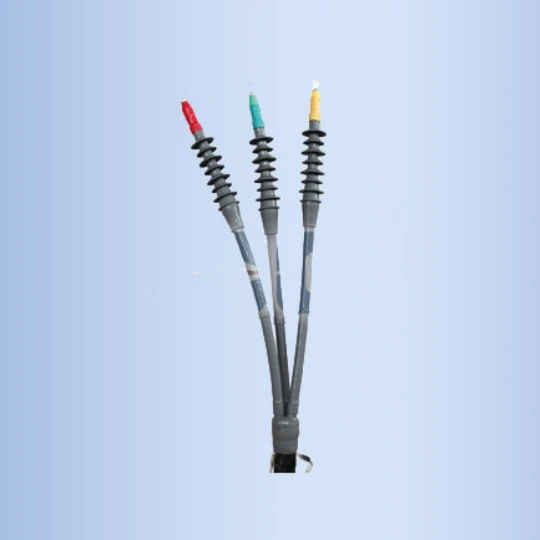
High-load cable terminations

When it comes to electrical systems operating under extreme mechanical and electrical stress, ​high-load cable terminations are critical components that ensure seamless power transmission, safety, and system longevity. Engineered to .
More information
Quick-Install Cable Adapters

‌Product Overview‌Quick-Install Cable Adapters are the game-changing connectivity solution designed for professionals and DIY enthusiasts alike. Engineered to eliminate installation hassles, these adapters provide instant, tool-free conne.

More information
Protective cable kit

Meta Description: Discover the ultimate Protective Cable Kit designed to safeguard your cables from wear, tangles, and damage. Perfect for home, office, and industrial use. Shop now for long-lasting cable management! ​Protecti.

More information
INDUSTRIAL CABLE ASSEMBLIES PRODUCTS ONE

Industrial Cable Assembly Product Summary‌ ‌Material & Safety‌ Utilizes premium raw materials and globally recognized components (e.g., ABB, TE Connectivity)‌ ensuring high reliability and safety to prevent risks like fire and e.

More information
Shielded cable core
Shielded cable core

In today’s technology-driven world, maintaining uninterrupted signal integrity is critical for industrial, commercial, and residential applications. The ‌Shielded Cable Core‌ is engineered to deliver superior electromagnetic interference .

More information
Corrosion-Resistant Cable Connectors | Durable & Weatherproof Sol...

Corrosion-Resistant Cable Connectors: Reliable Connectivity for Harsh Environments Ensure uninterrupted performance in the toughest conditions with our ​corrosion-resistant cable connectors. Designed for durability and longevity, these.

More information
Heavy machinery cable assemblies

Heavy machinery cable assemblies are robust, high-performance connectivity solutions engineered to meet the demanding requirements of industrial and heavy-duty applications. Designed for durability, reliability, and optimal performance in.

More information
Industrial cable components

Industrial cable components are the backbone of reliable and efficient connectivity in industrial automation, robotics, and machinery. Engineered to withstand harsh environments while ensuring seamless data transmission and power delivery.

More information