
Industrial Cable Assemblies-Industrial Cable Assemblies factory
In the complex ecosystem of industrial operations, where machinery, sensors, controllers, and communication systems work in tandem, the reliability of data transmission and electrical signal integrity is non-negotiable. One component that stands as a silent guardian of this reliability is the shielded industrial cable assembly. For engineers, plant managers, and procurement professionals navigating the demands of modern industrial environments, understanding what these cable assemblies are and their role in Electromagnetic Compatibility (EMC) compliance is not just a technical detail—it’s a cornerstone of operational safety, efficiency, and regulatory adherence. This article delves into the fundamentals of shielded industrial cable assemblies, unpacks the criticality of EMC compliance, and explains why the intersection of these two elements is indispensable for industrial success.
To grasp the value of shielded industrial cable assemblies, we first need to distinguish them from their unshielded counterparts and define their core components and functionality. At its most basic, an industrial cable assembly consists of one or more conductive wires (conductors) enclosed in an insulating jacket, along with additional components like connectors, strain reliefs, and in the case of shielded versions—a protective shielding layer.
The shielding layer is the defining feature that sets shielded industrial cable assemblies apart. This layer is typically made from materials like braided copper, aluminum foil, or a combination of both, and its primary purpose is to mitigate electromagnetic interference (EMI) and radio frequency interference (RFI). Unlike consumer-grade cables, which may use lightweight shielding (or none at all), industrial-grade shielded cables are designed to withstand harsh conditions—including extreme temperatures, moisture, chemical exposure, and physical abrasion—while maintaining their shielding effectiveness.
Common types of shielding used in industrial cable assemblies include:
In addition to the shielding layer, shielded industrial cable assemblies include a drain wire (a small conductive wire running alongside the shield) that facilitates grounding. Proper grounding is critical for the shield to function effectively: it provides a path for the intercepted interference to dissipate, preventing it from entering the conductors and corrupting the signal.
Before exploring why shielded industrial cable assemblies are critical for EMC compliance, it’s essential to define EMC and why it matters in industrial settings. Electromagnetic Compatibility refers to the ability of electrical and electronic devices, systems, and equipment to operate effectively in their electromagnetic environment without causing unacceptable electromagnetic interference to other devices, and without being unduly affected by such interference.
In industrial environments, the electromagnetic landscape is particularly chaotic. High-power motors, variable frequency drives (VFDs), welding equipment, and power distribution systems all generate significant levels of EMI. Meanwhile, sensitive devices like sensors, programmable logic controllers (PLCs), and communication modules (e.g., Ethernet, Profinet) are highly susceptible to RFI/EMI. Without proper EMC measures, this interference can lead to a range of issues:
EMC compliance is therefore not just a box-ticking exercise—it’s a fundamental requirement for ensuring the safety, reliability, and efficiency of industrial operations. And at the heart of meeting EMC requirements lies the proper use of shielded industrial cable assemblies.
Shielded industrial cable assemblies play a dual role in EMC compliance: they prevent emission of EMI from the cables themselves (ensuring the cables don’t interfere with other devices) and prevent susceptibility (protecting the cables’ signals from being disrupted by external EMI). Let’s break down this critical role in detail.
The most obvious function of the shielding layer is to act as a barrier between the cable’s conductors and the external electromagnetic environment. In industrial settings, where EMI sources are abundant (e.g., VFDs, motors, power lines), unshielded cables act like antennas, picking up interference and transmitting it to the connected devices. This can corrupt signals, leading to the issues outlined earlier.
Shielded cables address this by creating a Faraday cage around the conductors. The shielding layer absorbs or reflects incoming EMI/RFI, preventing it from reaching the signal-carrying conductors. The effectiveness of this barrier depends on the type of shielding (braided, foil, dual), the quality of the shielding material, and proper grounding. For example, dual-shielded cables are particularly effective in high-interference environments because the foil layer blocks low-frequency interference and the braid blocks high-frequency interference, ensuring comprehensive protection.
Consider a typical manufacturing facility with multiple VFDs powering conveyor belts. VFDs are known to generate high levels of EMI due to their switching operations. Without shielded cables connecting the VFDs to the PLCs, the EMI could disrupt the control signals, causing the conveyors to speed up or slow down unpredictably. By using shielded cable assemblies, the interference is blocked, ensuring stable communication between the PLCs and the VFDs, and maintaining compliance with EMC standards.
EMC compliance is not just about protecting against external interference—it’s also about ensuring that the cable itself does not emit EMI that could disrupt other devices. Unshielded cables carrying high-frequency signals (e.g., Ethernet cables in industrial communication systems) can act as radiating antennas, emitting EMI that interferes with nearby sensitive equipment.
The shielding layer in shielded industrial cable assemblies contains these emissions by confining the electromagnetic field generated by the current flowing through the conductors. This prevents the cable from becoming a source of interference, helping the overall system meet EMC emission limits. For example, in a smart factory with a network of IoT sensors and wireless communication devices, shielded Ethernet cable assemblies prevent the network signals from interfering with the wireless signals, ensuring both systems operate reliably.
Modern industrial systems rely increasingly on high-speed data transmission (e.g., 5G, Ethernet/IP, Profinet) to support real-time monitoring, control, and automation. In these applications, signal integrity is paramount—even minor signal degradation can lead to data loss or delayed communication, which can disrupt production processes.
Shielded industrial cable assemblies not only block interference but also help maintain signal integrity by reducing crosstalk (interference between adjacent conductors within the same cable). Crosstalk is a common issue in unshielded cables, where the electromagnetic field from one conductor affects another. The shielding layer isolates each conductor (or pair of conductors, in twisted-pair cables) from its neighbors, minimizing crosstalk and ensuring that high-speed signals are transmitted accurately.
In critical applications like automated guided vehicles (AGVs) or robotic surgery (in medical manufacturing), where precise control is essential, shielded cables are non-negotiable. They ensure that the control signals from the PLC to the AGV or robot are transmitted without distortion, preventing accidents and ensuring consistent performance—all while meeting EMC compliance requirements.
Industrial environments are notoriously harsh, with exposure to extreme temperatures, moisture, dust, chemicals, and physical stress. Unlike consumer-grade shielded cables, which may fail under these conditions, industrial-grade shielded cable assemblies are designed to withstand these challenges while maintaining their shielding effectiveness.
For example, cables used in outdoor industrial applications (e.g., solar farms, wind turbines) are often rated for UV resistance, water resistance (IP67 or higher), and wide temperature ranges (-40°C to 85°C or more). The shielding layer is protected by a durable outer jacket (made from materials like PVC, polyurethane, or PTFE), which prevents physical damage to the shield. This durability ensures that the shielding remains intact over time, maintaining EMC compliance even in the harshest conditions.
Without this rugged design, the shielding layer could tear, corrode, or become disconnected, rendering it ineffective. This would not only compromise signal integrity but also cause the system to fail EMC compliance, leading to regulatory issues and operational downtime.
While shielded industrial cable assemblies are critical for EMC compliance, not all shielded cables are created equal. To ensure that you select the right cable for your application, consider the following factors:
To illustrate the real-world impact of shielded industrial cable assemblies on EMC compliance, let’s look at two case studies:
An automotive manufacturing plant was experiencing frequent malfunctions in its robotic welding systems. The issue was traced to EMI generated by the welding equipment, which was disrupting the control signals from the PLCs to the robots. The plant was using unshielded cables for the control signals, which were picking up the EMI and causing the robots to move inaccurately.
The solution was to replace the unshielded cables with dual-shielded industrial cable assemblies (braided + foil shielding) with properly grounded drain wires. After the replacement, the EMI was blocked, and the control signals were transmitted accurately. The robotic systems operated reliably, and the plant passed its annual EMC compliance audit. Additionally, the plant saw a 20% reduction in unplanned downtime related to equipment malfunctions.
A wind farm was facing issues with its SCADA (Supervisory Control and Data Acquisition) system, which monitors and controls the wind turbines. The SCADA system was using unshielded Ethernet cables to transmit data from the turbines to the central control room. The cables were exposed to EMI from the turbine’s power electronics (e.g., inverters) and lightning strikes (a common issue in outdoor environments), leading to data loss and delayed alerts.
The wind farm upgraded to shielded Ethernet cable assemblies with a rugged, UV-resistant outer jacket and foil shielding. The cables were properly grounded, and shielded connectors were used to maintain the Faraday cage. The upgrade eliminated data loss, ensured reliable communication between the turbines and the control room, and helped the facility meet IEC 61000 EMC standards. The wind farm also saw an improvement in energy production efficiency, as the SCADA system could now make real-time adjustments to the turbines based on accurate data.
Shielded industrial cable assemblies are far more than just “cables with a protective layer”—they are a critical component of EMC compliance in industrial environments. By blocking external EMI/RFI, preventing EMI emission, maintaining signal integrity, and withstanding harsh conditions, these cable assemblies ensure that industrial systems operate safely, reliably, and in compliance with regulatory standards.
For engineers, plant managers, and procurement professionals, investing in high-quality shielded industrial cable assemblies is not just a technical decision—it’s a strategic one. It reduces the risk of unplanned downtime, avoids regulatory fines, and ensures that industrial operations run smoothly. As industrial systems become increasingly automated and connected, the importance of shielded industrial cable assemblies in maintaining EMC compliance will only continue to grow.
When selecting shielded industrial cable assemblies, remember to consider the type of shielding, proper grounding, environmental ratings, and connector compatibility. By choosing the right cable for your application, you can ensure that your system meets EMC requirements and delivers consistent, reliable performance for years to come.
Our factory offers high-quality products at competitive prices
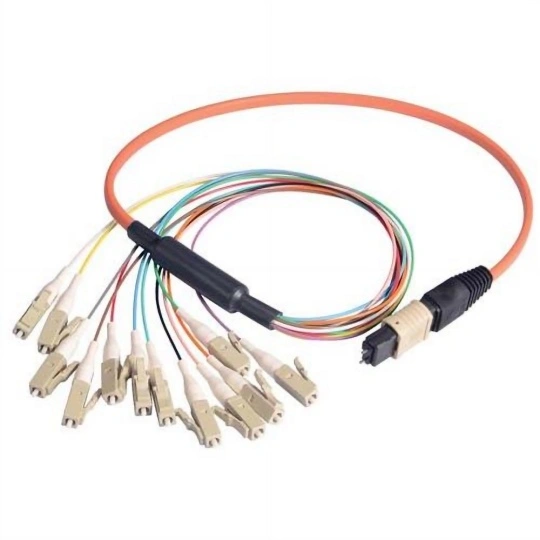
Heavy machinery cable assemblies are robust, high-performance connectivity solutions engineered to meet the demanding requirements of industrial and heavy-duty applications. Designed for durability, reliability, and optimal performance in.
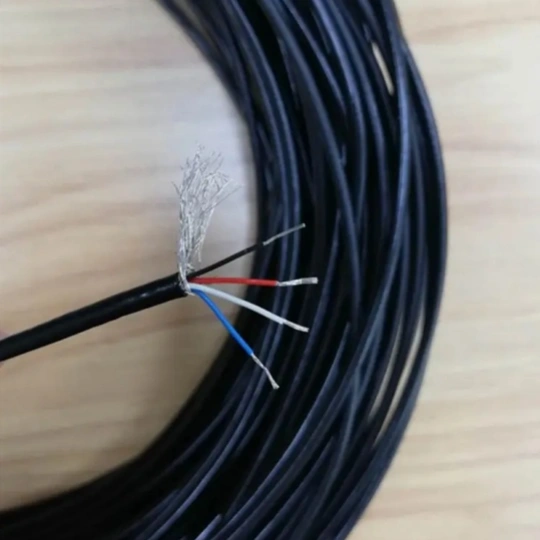
Ensure reliable power transmission and long-lasting performance in the harshest conditions with our High-Temperature Resistant Cable Accessories. Engineered to withstand extreme heat, these premium-grade accessories are designed to prote.
Feel free to reach out to us for any inquiries or orders.