Industrial Cable Assemblies-Industrial Cable Assemblies factory
In industrial settings, environmental conditions are often far from ideal. Factories, mining sites, oil and gas fields, and outdoor infrastructure projects expose cabling systems to extreme temperatures, moisture, chemical corrosion, physical impact, electromagnetic interference (EMI), and even radiation. For these harsh environments, the reliability and performance of data transmission systems are non-negotiable—any failure can lead to costly downtime, safety hazards, or compromised operational efficiency. This is where fiber optic industrial cable assemblies stand out as a superior alternative to traditional copper cabling. Unlike copper, which is susceptible to many of the challenges posed by harsh industrial conditions, fiber optic cables leverage light signals for data transmission, unlocking a range of advantages that make them indispensable for critical industrial applications. Below, we delve into the key benefits of fiber optic industrial cable assemblies in harsh environments, exploring why they have become the go-to choice for industries prioritizing durability, performance, and long-term reliability.
One of the most significant challenges in industrial environments is extreme temperature fluctuations. From the freezing cold of arctic oil exploration sites (-40°C or lower) to the scorching heat of steel mills and foundries (125°C or higher), traditional copper cables struggle to maintain performance under such stress. Copper conductors are prone to thermal expansion and contraction, which can loosen connections, degrade insulation, and increase signal loss over time. In contrast, fiber optic industrial cable assemblies are engineered to withstand a much wider temperature range, making them suitable for the most extreme thermal conditions.
Fiber optic cables use glass or plastic fibers as the transmission medium, which are inherently stable across temperature variations. The protective jackets and armor of industrial-grade fiber optic assemblies are further designed with high-performance materials such as polyvinyl chloride (PVC), polyurethane (PU), or Teflon, which resist melting, cracking, or becoming brittle in extreme heat or cold. For example, armored fiber optic cables used in oil and gas drilling can operate reliably between -55°C and 125°C, ensuring consistent data transmission even in the harsh conditions of downhole drilling or offshore platforms. This temperature resistance eliminates the need for additional heating or cooling systems to protect cabling, reducing installation and maintenance costs while minimizing the risk of downtime due to thermal failure.
Industrial environments are rife with sources of electromagnetic interference (EMI) and radio frequency interference (RFI), including heavy machinery, motors, transformers, power lines, and wireless communication devices. Copper cables conduct electricity, making them highly susceptible to EMI/RFI, which can distort or disrupt data signals. This interference not only degrades data transmission quality but also increases the risk of data loss or corruption—critical issues in applications such as process control, robotics, and real-time monitoring.
Fiber optic cables, however, are completely immune to EMI and RFI. Since they transmit data using light signals rather than electrical currents, there is no conductive path for electromagnetic signals to interfere with the transmission. This immunity is a game-changer in industrial settings where EMI/RFI is unavoidable. For instance, in automotive manufacturing plants, where welding machines, conveyor belts, and high-voltage power supplies generate intense electromagnetic fields, fiber optic industrial cable assemblies ensure clear, uninterrupted communication between control systems and production equipment. Similarly, in power generation facilities, fiber optic cables can be routed alongside high-voltage power lines without any risk of interference, enabling reliable monitoring of grid performance and equipment status.
Additionally, fiber optic cables do not emit electromagnetic radiation themselves, making them compliant with strict EMC (Electromagnetic Compatibility) standards. This is particularly important in industries such as aerospace, defense, and medical manufacturing, where electromagnetic emissions can interfere with sensitive equipment.
Many industrial environments are characterized by high humidity, moisture, or exposure to corrosive substances. For example, food processing plants use water and cleaning chemicals extensively, while marine and offshore environments expose cabling to saltwater, which is highly corrosive. Wastewater treatment facilities, chemical plants, and mining sites also subject cables to harsh chemical agents and moisture, all of which can rapidly degrade copper cabling.
Copper conductors are prone to oxidation and corrosion when exposed to moisture and chemicals, leading to increased resistance, signal loss, and eventual cable failure. Fiber optic industrial cable assemblies, by contrast, are inherently resistant to moisture and corrosion. The glass or plastic fibers are non-metallic, so they do not rust or corrode. The protective jackets and armor of industrial fiber optic cables are also engineered to repel moisture and resist chemical attack. Materials such as PTFE (Teflon), HDPE (High-Density Polyethylene), and polyurethane are commonly used for their chemical resistance, ensuring that the cables remain intact even when exposed to acids, bases, solvents, oils, and saltwater.
In subsea applications, for example, fiber optic cable assemblies with water-blocking gel and armoring can withstand prolonged immersion in saltwater, enabling reliable communication for offshore wind farms, oil rigs, and underwater surveillance systems. In chemical processing plants, fiber optic cables can be routed through areas with leaking chemicals without risk of degradation, ensuring continuous data transmission for process control and safety monitoring.
Industrial environments are often harsh physically, with cabling systems at risk of being crushed, bent, pulled, or punctured by heavy equipment, falling debris, or human error. Traditional copper cables are relatively fragile—crushing or bending them can damage the conductors or insulation, leading to signal loss or short circuits. Fiber optic industrial cable assemblies, however, are designed with robust mechanical properties to withstand these physical stresses.
Industrial-grade fiber optic cables are often armored with materials such as steel tape, braided steel, or aramid fibers (Kevlar), which provide excellent resistance to crushing, impact, and abrasion. The armor also protects the delicate fiber core from being bent beyond its minimum bend radius, which can cause signal attenuation or fiber breakage. For example, armored fiber optic cables used in mining operations can withstand the impact of falling rocks and the pressure of heavy mining equipment, ensuring reliable communication between underground operations and surface control centers.
Additionally, fiber optic cables are lighter and more flexible than copper cables of the same data-carrying capacity, making them easier to install in tight spaces or around obstacles without compromising their integrity. Their flexibility also reduces the risk of damage during installation, as they can be routed more easily without excessive bending or pulling.
Industrial applications are increasingly demanding higher bandwidth to support data-intensive operations such as real-time video monitoring, machine vision, IoT (Internet of Things) sensor networks, and cloud-based process control. Traditional copper cables have limited bandwidth, which can become a bottleneck as data requirements grow. Fiber optic cables, on the other hand, offer significantly higher bandwidth, enabling the transmission of large volumes of data at ultra-high speeds.
A single fiber optic cable can support terabits per second (Tbps) of data transmission, far exceeding the capacity of copper cables. This high bandwidth is critical for industrial environments where multiple devices (sensors, cameras, controllers) are connected to a single network, requiring simultaneous data transmission without latency or congestion. For example, in a smart factory, fiber optic industrial cable assemblies can support hundreds of IoT sensors, real-time video feeds from production lines, and seamless communication between robots and control systems, enabling efficient automation and predictive maintenance.
In addition to higher bandwidth, fiber optic cables also support much longer transmission distances than copper cables. Copper cables suffer from significant signal loss (attenuation) over distance, requiring repeaters or amplifiers every 100 meters or so for Ethernet transmission. Fiber optic cables, by contrast, have very low signal loss—single-mode fiber can transmit data over distances of up to 100 kilometers without the need for repeaters. This is a major advantage in large industrial facilities, such as oil refineries, power plants, or logistics warehouses, where cabling may need to span long distances between buildings, processing units, or remote monitoring sites. Eliminating the need for repeaters reduces installation costs, simplifies network design, and minimizes the risk of points of failure.
Many industrial environments are classified as hazardous due to the presence of flammable gases, vapors, dust, or liquids. In these environments, electrical equipment—including traditional copper cables—poses a risk of sparking, which can ignite flammable substances and cause explosions or fires. Fiber optic industrial cable assemblies are inherently safer in hazardous environments because they do not conduct electricity and do not generate sparks.
Since fiber optic cables transmit light signals, there is no electrical current flowing through the cable, eliminating the risk of short circuits or arcing that can cause sparks. This makes them ideal for use in Zone 0, 1, 2 (hazardous gas environments) and Zone 20, 21, 22 (hazardous dust environments) as classified by international standards such as ATEX and IECEx. For example, in oil and gas refineries, fiber optic cables are used to connect control systems, sensors, and monitoring equipment in areas where flammable hydrocarbons are present, reducing the risk of fire and explosion.
Additionally, fiber optic cables do not produce heat during operation, which is another safety benefit in hazardous environments where high temperatures can ignite flammable substances. Their non-metallic construction also makes them immune to lightning strikes, which can cause catastrophic damage to copper-based systems. By using fiber optic industrial cable assemblies, industries can comply with strict safety regulations and reduce the risk of accidents in hazardous areas.
While the initial installation cost of fiber optic industrial cable assemblies may be higher than that of copper cables, their long-term maintenance costs are significantly lower, resulting in a lower total cost of ownership (TCO) over the lifespan of the network. Copper cables require frequent maintenance due to their susceptibility to EMI, corrosion, and physical damage—repairs, replacements, and the cost of downtime add up over time. Fiber optic cables, by contrast, are highly durable and reliable, requiring minimal maintenance once installed.
The robust construction of industrial fiber optic cables ensures that they have a longer lifespan than copper cables—often 25 years or more, compared to 10-15 years for copper. This reduces the frequency of cable replacements, saving money on material and labor costs. Additionally, fiber optic cables are not prone to signal degradation over time, so there is no need for regular testing and calibration to maintain performance. The immunity to EMI and corrosion also eliminates the need for additional shielding or protective measures, which are often required for copper cables in harsh environments.
Furthermore, the high bandwidth and long-distance capabilities of fiber optic cables make them future-proof. As industrial data requirements continue to grow, fiber optic networks can easily be upgraded to support higher speeds without the need for replacing the entire cabling infrastructure. This scalability ensures that businesses do not have to invest in new cabling every time their data needs increase, further reducing long-term costs.
To illustrate the practical benefits of fiber optic industrial cable assemblies, let’s look at some real-world applications across different industries:
In harsh industrial environments, the performance and reliability of cabling systems are critical to operational efficiency, safety, and cost-effectiveness. Fiber optic industrial cable assemblies offer a range of key advantages over traditional copper cables, including exceptional temperature resistance, immunity to EMI/RFI, resistance to moisture and corrosion, high mechanical durability, higher bandwidth and longer transmission distances, enhanced safety in hazardous environments, and lower long-term maintenance costs. These benefits make fiber optic cables the ideal choice for industries such as oil and gas, mining, manufacturing, and renewable energy, where harsh conditions demand a robust and reliable data transmission solution.
As industrial operations become increasingly automated and data-driven, the demand for high-performance cabling systems will continue to grow. Fiber optic industrial cable assemblies not only meet the current needs of harsh industrial environments but also provide the scalability to support future technological advancements. By investing in fiber optic cabling, businesses can reduce downtime, improve safety, and lower their total cost of ownership, gaining a competitive edge in today’s demanding industrial landscape.
Our factory offers high-quality products at competitive prices
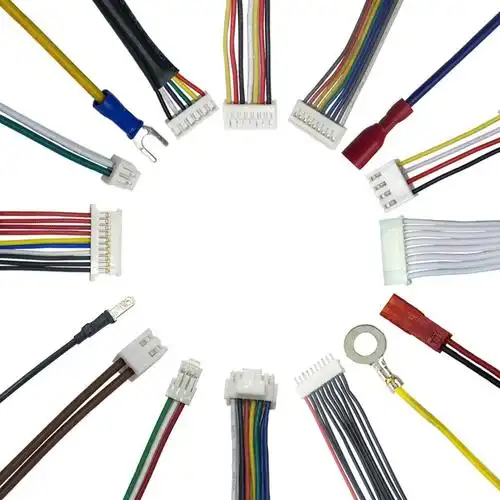
Industrial Cable Assembly Product Summary Material & Safety Utilizes premium raw materials and globally recognized components (e.g., ABB, TE Connectivity) ensuring high reliability and safety to prevent risks like fire and e.
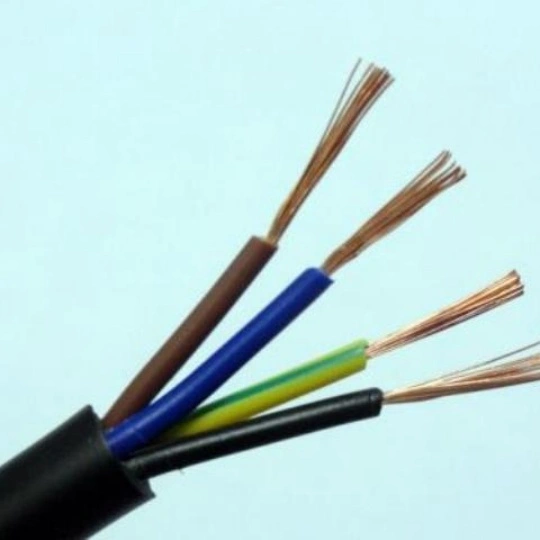
Meta Description: Discover the ultimate Protective Cable Kit designed to safeguard your cables from wear, tangles, and damage. Perfect for home, office, and industrial use. Shop now for long-lasting cable management! Protecti.
Feel free to reach out to us for any inquiries or orders.