Industrial Cable Assemblies-Industrial Cable Assemblies factory
Selecting the right industrial cable for high-voltage applications is a critical decision that directly impacts operational safety, efficiency, and reliability. High-voltage environments, typically defined as applications involving 1kV and above, demand cables with specific characteristics to withstand extreme electrical stress, environmental challenges, and mechanical demands. This guide outlines key considerations to ensure optimal cable selection.
The primary factor in selection is matching the cable’s voltage rating to the application’s needs. High-voltage cables are categorized by their rated voltage (U0/U), where U0 is the maximum voltage between the conductor and ground, and U is the maximum voltage between conductors. For example, a cable rated 12/20kV is suitable for systems with a phase-to-phase voltage of 20kV. It’s essential to consider not only the nominal voltage but also potential voltage surges. In industrial settings with frequent motor starts or switching operations, transient voltages can spike significantly. Thus, always account for voltage fluctuations and transient overvoltages by choosing a cable with a rating 10-15% higher than the system’s nominal voltage to avoid insulation breakdown. This buffer provides a crucial safety margin, especially in facilities with heavy machinery that may cause voltage irregularities.
Insulation is the cornerstone of high-voltage cable performance, as it prevents electrical leakage and ensures the cable can handle the applied voltage. Common materials include:
Conductor materials and structure significantly influence conductivity, heat dissipation, and mechanical strength:
The operating environment dictates the cable’s protective features, as harsh conditions can degrade performance over time:
Current-carrying capacity, or ampacity, is the maximum current a cable can safely transmit without exceeding its temperature limits, which is vital to prevent overheating and insulation failure. It depends on several factors:
To determine the correct conductor size, refer to international standards such as IEC 60287 or manufacturer-provided ampacity charts, which account for these variables based on specific installation conditions.
High-voltage cables must adhere to international and regional standards to guarantee safety, performance, and interoperability. Key standards include:
Always select cables that are certified to meet these standards, ensuring they have undergone rigorous testing, including dielectric loss, partial discharge, and thermal cycling tests, to verify their reliability under real-world conditions.
When selecting high-voltage cables, it’s important to consider potential future system upgrades or increases in load. Industrial facilities often expand operations or add new equipment, which can increase electrical demand. Choosing cables with sufficient capacity to accommodate these changes avoids the need for premature replacement, which can be costly and disruptive. For example, a factory expecting a 20% increase in load over the next five years should select a cable with a 20-25% higher ampacity than the current requirement to provide adequate headroom.
Conclusion
Selecting industrial cables for high-voltage applications requires a systematic approach that balances voltage rating, insulation properties, conductor design, environmental resilience, compliance with standards, and future expansion needs. By carefully evaluating each of these factors, engineers and facility managers can ensure the selected cables provide reliable, safe, and cost-effective operation of high-voltage systems. When in doubt, consulting with cable manufacturers or industry experts can provide valuable insights tailored to specific application requirements, helping to make the best possible selection.
Our factory offers high-quality products at competitive prices
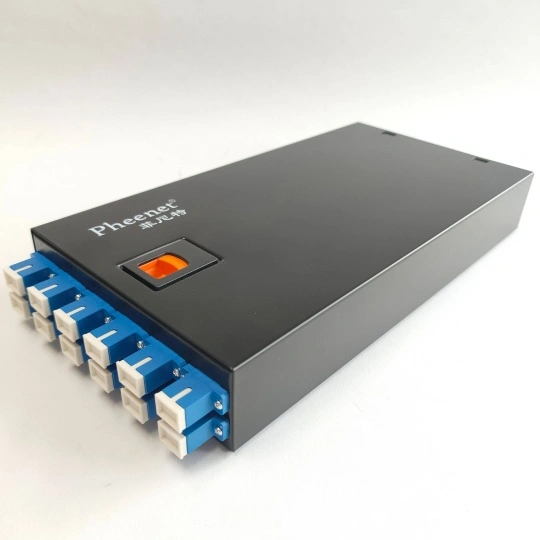
Product OverviewQuick-Install Cable Adapters are the game-changing connectivity solution designed for professionals and DIY enthusiasts alike. Engineered to eliminate installation hassles, these adapters provide instant, tool-free conne.
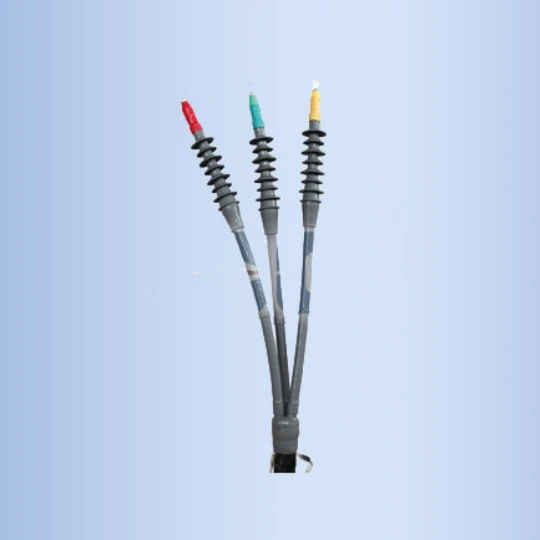
When it comes to electrical systems operating under extreme mechanical and electrical stress, high-load cable terminations are critical components that ensure seamless power transmission, safety, and system longevity. Engineered to .
Feel free to reach out to us for any inquiries or orders.