
Industrial Cable Assemblies-Industrial Cable Assemblies factory
Industrial cables are the “blood vessels” of industrial systems, powering machinery, transmitting data, and ensuring the smooth operation of production lines. When cables fail, they can cause costly downtime, equipment damage, or even safety hazards. Warranty coverage serves as a critical safety net for businesses, but its validity and scope depend on several key factors. Understanding these factors is essential for buyers to protect their investments and avoid disputes with manufacturers. Below is a detailed breakdown of the core elements that shape industrial cable warranty coverage.
The first and most fundamental factor is whether the industrial cable is used in line with its stated specifications. Manufacturers design cables for specific environments, loads, and conditions—such as voltage ratings, temperature ranges, chemical resistance, and mechanical stress limits—and warranty coverage only applies when the cable operates within these parameters. For example:
Buyers must verify that the cable’s specifications match their actual usage scenarios (e.g., indoor/outdoor, wet/dry, heavy machinery vs. light equipment) before purchase. Any deviation from these specs will likely invalidate the warranty.
Proper installation and usage are non-negotiable for maintaining warranty eligibility. Manufacturers provide detailed installation guidelines—such as minimum bending radii, connection torque requirements, and protection against physical damage—and failure to follow these steps often leads to warranty denial. Key points include:
Buyers should keep records of installation (e.g., technician certifications, installation reports) to prove compliance if a claim is needed.
A manufacturer’s credentials directly impact the reliability of its warranty. Not all warranties are equal—small, uncertified manufacturers may offer vague terms or fail to honor claims, while reputable ones back their products with rigorous quality control and transparent policies. Key indicators of a trustworthy manufacturer include:
Choosing a certified, reputable manufacturer minimizes the chance of “empty warranty” promises and ensures support when issues arise.
Warranty terms that are vague or ambiguous often lead to disputes. The most valuable warranties are specific about two core aspects: duration and coverage limits.
Buyers should ask manufacturers to put all warranty terms in writing and clarify any unclear language (e.g., “normal use”) before signing a contract.
Manufacturers require specific documentation to process warranty claims—without it, even valid claims may be rejected. The most common required documents include:
Buyers should organize and store these documents in a safe place (digital or physical) from the moment of purchase. Delays in providing documentation can prolong claim processing or lead to denial.
Industrial cables require regular maintenance to remain in good condition, and most warranties require buyers to fulfill these care obligations. Neglecting maintenance is a common reason for denied claims. Key maintenance tasks include:
Buyers should keep a maintenance log documenting these tasks—this log serves as proof of proper care if a warranty claim is filed.
Many manufacturers limit warranty coverage to specific regions or countries. For example:
Buyers operating in multiple regions or importing cables internationally must confirm the warranty’s geographic scope upfront. Failing to do so can result in unexpected costs if a cable fails outside the covered area.
In summary, industrial cable warranty coverage is not a “one-size-fits-all” guarantee—it depends on compliance with specifications, proper installation and maintenance, the manufacturer’s credibility, clear terms, documentation, and geographic limits. By understanding these factors, businesses can select cables with reliable warranty support, reduce downtime risks, and protect their bottom line.
When seeking an industrial cable partner that excels in all these warranty-critical areas, FRS factory stands out as a trusted choice. FRS manufactures cables to meet global standards (ISO 9001, UL, CE) , ensuring each product aligns with its stated specifications—whether for high-temperature, high-voltage, or corrosive environments. Its warranty terms are transparent: 3-5 years of coverage for material and craftsmanship defects, no hidden exclusions, and broad geographic support for global clients. FRS also provides professional installation guidelines, maintenance reminders, and a streamlined claim process (with clear documentation requirements) to help customers easily access warranty benefits. For businesses that value quality, clarity, and reliability in industrial cable warranties, FRS factory delivers peace of mind—every cable, every time.
Our factory offers high-quality products at competitive prices
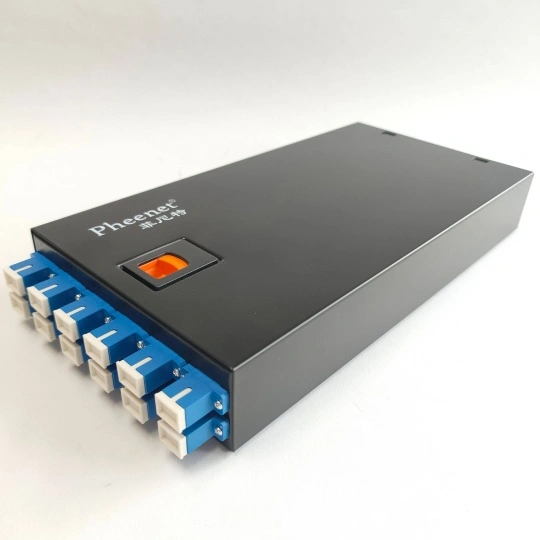
Product OverviewQuick-Install Cable Adapters are the game-changing connectivity solution designed for professionals and DIY enthusiasts alike. Engineered to eliminate installation hassles, these adapters provide instant, tool-free conne.
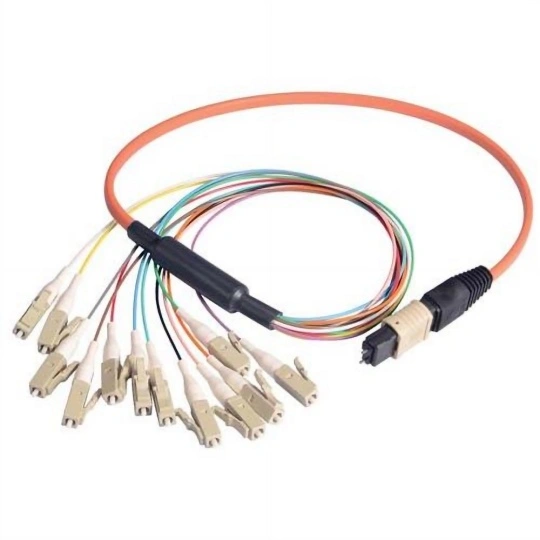
Heavy machinery cable assemblies are robust, high-performance connectivity solutions engineered to meet the demanding requirements of industrial and heavy-duty applications. Designed for durability, reliability, and optimal performance in.
Feel free to reach out to us for any inquiries or orders.