Industrial Cable Assemblies-Industrial Cable Assemblies factory
In the realm of data and power transmission, industrial cables and network cables are two essential components, but they serve distinctly different purposes due to varying operational demands. While both facilitate signal or data transfer, their design, performance, and application scenarios diverge significantly. Understanding these differences is crucial for businesses and technicians to select the right cable for specific projects, avoiding inefficiencies or equipment failures.
The most fundamental difference lies in their intended use environments. Industrial cables are engineered to withstand extreme and harsh conditions commonly found in industrial settings. These include manufacturing plants, oil refineries, construction sites, and outdoor industrial facilities where they may be exposed to high temperatures (ranging from -40℃ to 85℃ or higher), moisture, chemicals, mechanical vibration, and physical abrasion. For example, in an automotive assembly line, industrial cables must endure constant movement from robotic arms and exposure to lubricants without signal degradation.
In contrast, network cables (such as Ethernet cables like Cat5e, Cat6, or Cat7) are primarily used in controlled indoor environments. These include offices, data centers, residential buildings, and server rooms where conditions are stable—temperature is regulated (usually 10℃~30℃), humidity is controlled, and there is minimal risk of physical damage or chemical exposure. Their main role is to connect computers, routers, switches, and other network devices for data exchange within a local area network (LAN).
To adapt to their respective environments, industrial and network cables have distinct structural designs:
Performance metrics also set the two cable types apart:
Installing industrial cables is typically more complex and requires specialized knowledge. They may need to be routed through conduits, secured to machinery, or buried underground, and often require weatherproof or vibration-resistant connectors. Maintenance also involves regular inspections for physical damage or shielding wear, especially in high-movement areas.
Network cables are easier to install—they are often run through walls, ceilings, or cable trays in offices or data centers, using standard RJ45 connectors. Maintenance is minimal, usually limited to testing for signal loss or replacing damaged connectors.
Whether you need industrial cables that thrive in harsh conditions or network cables for seamless indoor connectivity, FRS brand factory delivers solutions engineered for performance and durability. Our industrial cables meet strict international standards, with rugged designs that resist temperature extremes, chemicals, and vibration—ideal for manufacturing, energy, and construction sectors. For network cables, we offer high-quality Cat5e, Cat6, and Cat7 options with stable signal transmission, ensuring smooth data flow in offices and data centers. With FRS, you get cables tailored to your specific application, backed by rigorous quality control and professional technical support. Trust FRS to keep your operations connected reliably.
Our factory offers high-quality products at competitive prices
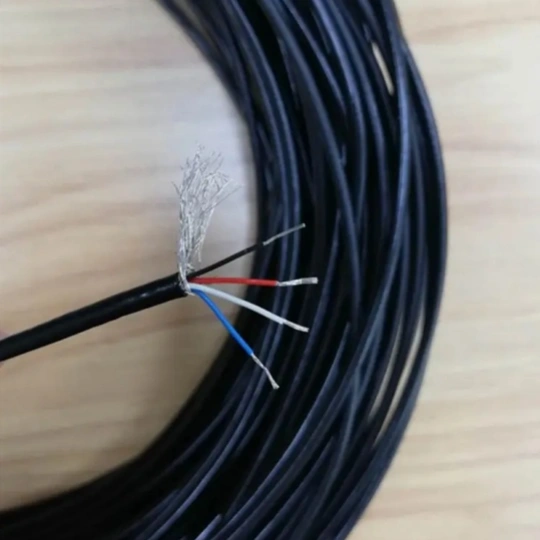
Ensure reliable power transmission and long-lasting performance in the harshest conditions with our High-Temperature Resistant Cable Accessories. Engineered to withstand extreme heat, these premium-grade accessories are designed to prote.
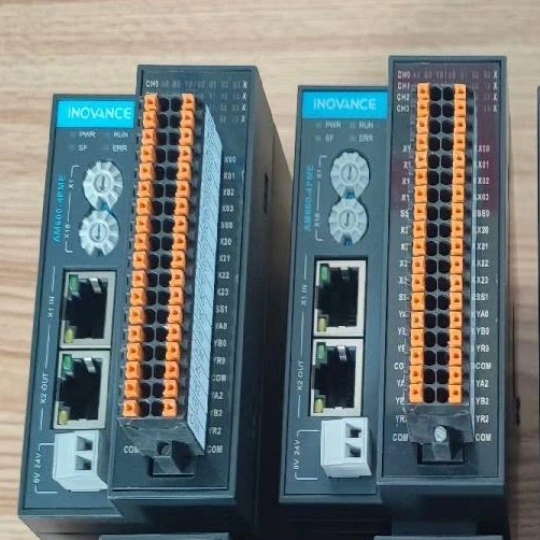
Meta Description: Discover high-performance industrial control cable module components designed for seamless automation, harsh environments, and superior connectivity. Explore specs, certifications, and applications. H2: Industrial Con.
Feel free to reach out to us for any inquiries or orders.