Industrial cable assemblies are vital components powering machinery, automating processes, and connecting critical systems in factories, plants, and demanding environments. Naturally, one of the first questions buyers ask is about cost. The answer isn’t simple, as prices vary widely, but understanding the key factors helps you budget effectively and find the best solution.
Why Prices Vary So Much:
There’s no single price tag because industrial assemblies are rarely “off-the-shelf” in the same way consumer products are. Cost depends heavily on:
Materials Used:
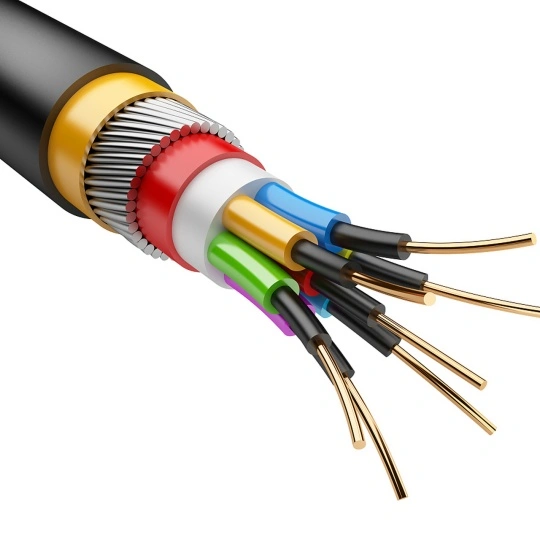
Conductor: Copper is standard and more conductive (and expensive) than alternatives like aluminum. Stranding (number/thickness of wires) affects flexibility and cost.
Insulation & Jacketing: Materials range from basic PVC to specialized thermoplastics (like PUR for oil resistance), Teflon® (for extreme heat), or silicone (flexibility/heat). Harsher environments demand pricier materials.
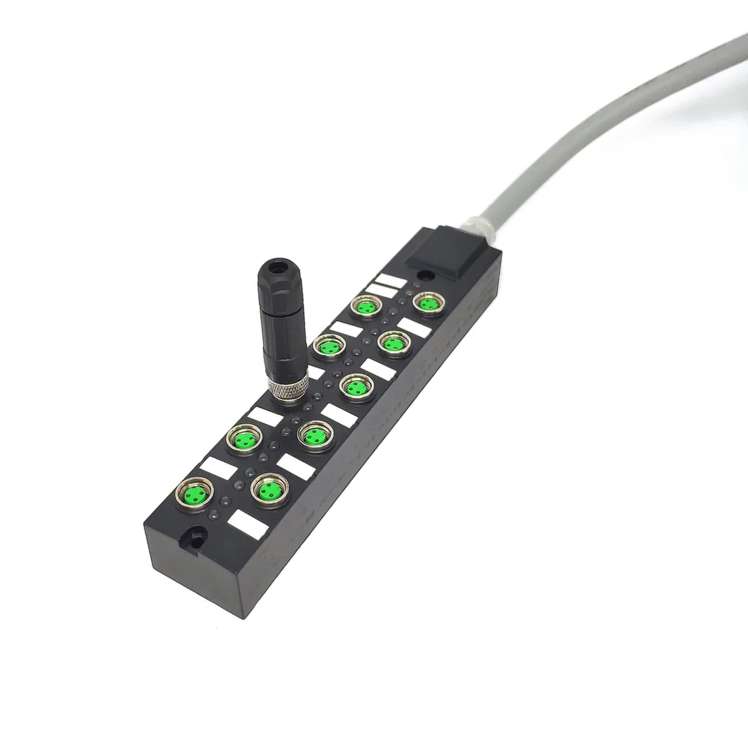
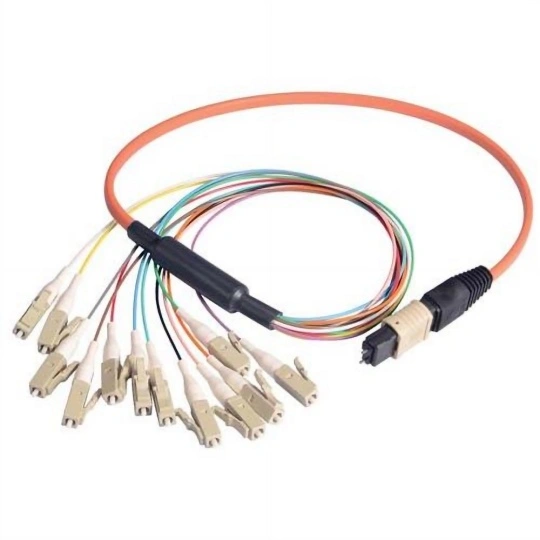
Connectors: Simple plastic connectors cost far less than ruggedized metal (e.g., stainless steel) connectors, circular connectors (M12, M8), multi-pin D-Subs, or specialized types like MIL-DTL-38999. Brands matter too.
Shielding: Foil shielding is cheaper; high-flex applications often need braided shielding, increasing cost. Multiple shielding layers add more.
Design Complexity:
Custom vs. Standard: Truly custom assemblies designed specifically for your machine and specs will cost significantly more than modifying a semi-standard assembly. Simple single-ended wires are cheapest.
Connector Complexity: Higher pin counts, mixed connector types, polarized housings, or intricate keying add complexity and cost.
Assembly Difficulty: Tight braiding/terminations, unique bending requirements, or small form factors require more labor and skill.
Certifications & Ratings:
Meeting specific industry safety standards (UL, CSA) or harsh environment ratings (IP67, IP69K for water/dust) requires specific materials and rigorous testing, increasing cost.
Certifications for aerospace (MIL-SPEC), medical (ISO 13485), or hazardous locations (ATEX, IECEx) involve significant compliance overhead.
Quantity & Lead Time:
High-volume orders almost always benefit from substantial per-unit cost reductions due to setup efficiencies.
Rush orders expediting material procurement and production scheduling will incur premium costs.
Estimated Price Ranges (Guide Only – Always Get Quotes!):
Simple Standard Assemblies: Basic wire harnesses or short cables with common connectors (e.g., PVC jacket, single-ended, low pin count). Might start around **10−50 per unit**, especially at volume.
Moderately Complex Assemblies: Involving more rugged connectors (e.g., M12), shielding, basic custom lengths or connector combinations, standard industrial materials. Typically ranges from **50−250 per unit**.
Highly Custom & Complex Assemblies: Featuring specialized connectors (multiple types, high pin counts), extreme environment materials (Teflon®, silicone), critical shielding, MIL-SPEC/ATEX certification, or complex multi-branch harnesses. Can easily range from **250−1,000+ per unit**, especially for lower volumes or unique requirements.
Practical Tips for Managing Costs:
Define Needs Precisely: Before contacting suppliers, document exactly:
Required specifications (voltage, current, signal type)
Any necessary certifications (UL, Mil-Spec, ATEX, IP rating)
Estimated annual volume
Target lead time
Explore Semi-Standard Options: Ask suppliers if they have existing designs close to your needs that can be modified. This is usually cheaper than starting from scratch.
Prioritize Requirements: Clearly identify which specs are mandatory (safety, core function) and which are “nice-to-have.” Flexibility on non-critical specs can lower costs.
Consider Total Cost of Ownership (TCO): While upfront cost is important, factor in longevity, reduced downtime, and maintenance costs. A slightly more expensive cable built with durable materials might save significant money over its lifespan compared to a cheaper option failing prematurely.
Leverage Volume: If possible, consolidate requirements and order larger quantities to unlock better pricing. Plan procurement strategically.
Get Multiple Quotes: Provide your detailed specs to several reputable industrial cable assembly manufacturers. Compare not just price, but also lead times, quality certifications, and customer service responsiveness.
In Summary:
The cost of an industrial cable assembly is determined by a blend of material choices, design complexity, required certifications, and order specifics. Prices typically range from tens to thousands of dollars per unit. By clearly defining your exact requirements, exploring semi-custom solutions, prioritizing needs, and getting quotes from experienced suppliers, you can find the most cost-effective and reliable solution for your industrial application. Always get specific quotes based on your detailed specifications.
High-voltage industrial cables are the lifelines of power plants, responsible for transmitting massive amounts of electricity safely and efficiently from generators to distribution systems and beyond. Their reliable operation directly i...
When it comes to purchasing industrial cable, getting the best value for money is a top priority for most businesses. The prices of industrial cable can vary significantly among different suppliers, and simply choosing the cheapest opti...
Industrial cable assemblies are the core connectivity component of all modern industrial automation, mechanical equipment, and industrial control systems, undertaking stable power supply and accurate data transmission for industrial ope...
Outdoor environments demand robust connectivity solutions that withstand harsh conditions like dust, moisture, extreme temperatures, and mechanical stress. IP67/IP68-rated cable assemblies are engineered to meet these challenges, offeri...
Industrial motors are the workhorses of manufacturing, construction, and countless industrial sectors, and their reliable operation hinges heavily on the cables that connect them to power sources and control systems. Choosing the right ...
In any industrial project, whether it’s a manufacturing plant expansion, a new energy facility construction, or a machinery installation, calculating the required length of industrial cable accurately is a critical step that directly im...
Ensuring the traceability of industrial cable assemblies is not just a best practice; it’s a critical necessity. From manufacturing and assembly through installation, maintenance, and eventual decommissioning, clear and reliable l...
In the realm of heavy machinery operations, where colossal forces, relentless motion, and demanding environments converge, every component plays a critical role. Yet, one element often overlooked amid the roar of engines and the precisi...
Industrial cables are critical components in sectors like oil & gas, power transmission, and railways, where fire incidents can trigger catastrophic losses. Fire resistance testing ensures these cables maintain electrical continuity...
Ensuring reliable, high-speed data transmission in industrial environments demands selecting the correct Cat6A patch cables built for harsh conditions. Here’s what to focus on:
Verified Cat6A Compliance:
Look for Certification: C...
In industrial environments—where factors like electromagnetic interference (EMI), temperature fluctuations, and mechanical vibration pose constant challenges—choosing the right data transmission cable is critical to ensuring stable, rel...
In industrial automation, marine, mining, and outdoor applications, cable assemblies often fail first—not because of the machine, but because of heat, oil, vibration, moisture, and poor installation. UL certified industrial cable assemb...
High-pressure environments—such as deep-sea oil drilling platforms, high-pressure chemical reactors, and subsea exploration systems—pose unique challenges to industrial cables. Unlike standard industrial settings, these environments exp...
The medical industry operates on a foundation of precision, safety, and accountability—where even minor component failures can lead to life-threatening consequences. Industrial cables, though often overlooked, are the “nervous sys...
In industrial settings, where cables are often exposed to high temperatures, electrical overloads, or potential ignition sources, fire safety ratings for industrial cables are critical to preventing and mitigating fire risks. These rati...
Industrial cable assemblies and standard cables serve distinct purposes, with differences rooted in design, materials, performance, and application. Understanding these distinctions is critical for selecting the right solution for deman...
In industrial applications, cable assemblies often encounter extreme temperature conditions. Testing their performance under such circumstances is crucial to ensure reliable operation. This article will guide you through the essential s...
In industrial settings where high humidity, water exposure, or corrosive conditions are prevalent, selecting the right cable is critical to ensure reliable performance and longevity. Moisture can degrade insulation, corrode conductors, ...
In the complex ecosystem of industrial operations, where machinery, sensors, controllers, and communication systems work in tandem, the reliability of data transmission and electrical signal integrity is non-negotiable. One component th...
Key Considerations
Temperature Rating
Look for cables rated for at least 20°C above your maximum expected temperature
Common high-temp materials: PTFE (260°C), silicone (200°C), fiberglass (500°C)
Insulation Material
Silic...
1. The Rising Demand for Cost-Effective Medical Solutions
Hospitals worldwide face mounting pressure to reduce expenses without compromising quality. Medical cables—often overlooked—play a pivotal role in streamlining operations. Fro...
Automated Guided Vehicles (AGVs) represent a cornerstone of modern industrial automation, driving efficiency in logistics, manufacturing, and warehousing. While navigation systems, batteries, and control software often capture the spotl...
In industrial automation, Programmable Logic Controllers (PLCs) serve as the “brain” of control systems, orchestrating machinery, processes, and data flow across factories. Yet, even the most advanced PLCs depend entirely on...
In modern smart factories, M12 industrial cable assembliesare the backbone of sensor networks, drives, and industrial Ethernet. However, the rise of predictive maintenanceand intelligent monitoringis transforming how these cables are sp...
The worldwide transition to smarter, more resilient power networks is accelerating. Utilities are modernizing aging grids with digital monitoring, distributed energy resources (DERs), and advanced metering infrastructure (AMI). This shi...
In the automotive and industrial sectors, cable assemblies are the lifelines of electrical systems, transmitting power and signals critical to vehicle and machinery operation. However, harsh environments—extreme temperatures, vibrations...
If you’re sourcing, manufacturing, or using cable assemblies in China, understanding the country’s regulatory and quality standards is crucial. This guide breaks down the key requirements for domestic cable assemblies in China, helping...
In a smart factory, the network of industrial Ethernet, fieldbus, sensors, actuators, robots, and servo systemsis only as reliable as the cables connecting them. Downtime in such environments doesn’t just stop a single machine—it ...
Forget simply faster speeds; the advent of 6G promises a technological revolution – seamless integration of the physical and digital worlds, ubiquitous intelligent sensing, holographic communications, and pervasive advanced AI applicati...
IntroductionAs the global push for clean energy intensifies, hydrogen projects are emerging as a cornerstone of decarbonization strategies. However, these initiatives face a critical challenge: ensuring their infrastructure aligns with ...
Industrial cable assemblies are the backbone of modern manufacturing, automation, and connectivity. As industries evolve, so do the demands for smarter, more durable, and adaptable solutions. To stay ahead, businesses must understand th...
Introduction: Why Robots Break Cables First
In high-speed industrial robotics, the weakest link is often not the motor or gearbox, but the cable system. Robotic arms operating 24/7 in pick-and-place, welding, and assembly lines are ...
In today’s renewable energy sector, project timelines are tighter, budgets are under pressure, and reliability is non-negotiable. Whether you’re connecting solar arrays, wind turbines, or battery energy storage systems (BESS...
Industrial cable assemblies are the unsung heroes of modern manufacturing, automation, and infrastructure. They power machinery, transmit critical data, and ensure seamless connectivity in harsh environments. However, selecting the righ...
In the realm of heavy-duty industrial applications, the reliability and performance of cable assemblies are of utmost importance. These applications, which include manufacturing, construction, mining, and transportation, demand cable as...
Industrial cable connectors are essential components in various industrial systems, enabling the reliable transmission of power, signals, and data. There are several common types, each designed to meet specific application requirements....
Industrial cables are the lifelines of manufacturing plants, refineries, and chemical processing facilities, transmitting power and data to keep operations running smoothly. However, chemical spills pose a severe threat to these cables—...
IntroductionIndustrial robots are the backbone of modern manufacturing, performing tasks with precision and speed. However, their efficiency heavily relies on the durability of cable assemblies, which transmit power, signals, and data. ...
The global market for robotics industrial cable assembliesis entering a high-growth phase. Industry forecasts project a compound annual growth rate (CAGR) of approximately 14.6%through 2026, driven by the rapid expansion of industrial a...
Heavy machinery cable assemblies are robust, high-performance connectivity solutions engineered to meet the demanding requirements of industrial and heavy-duty applications. Designed for durability, reliability, and optimal performance in.
In today’s technology-driven world, maintaining uninterrupted signal integrity is critical for industrial, commercial, and residential applications. The Shielded Cable Core is engineered to deliver superior electromagnetic interference .
Contact Us
Feel free to reach out to us for any inquiries or orders.