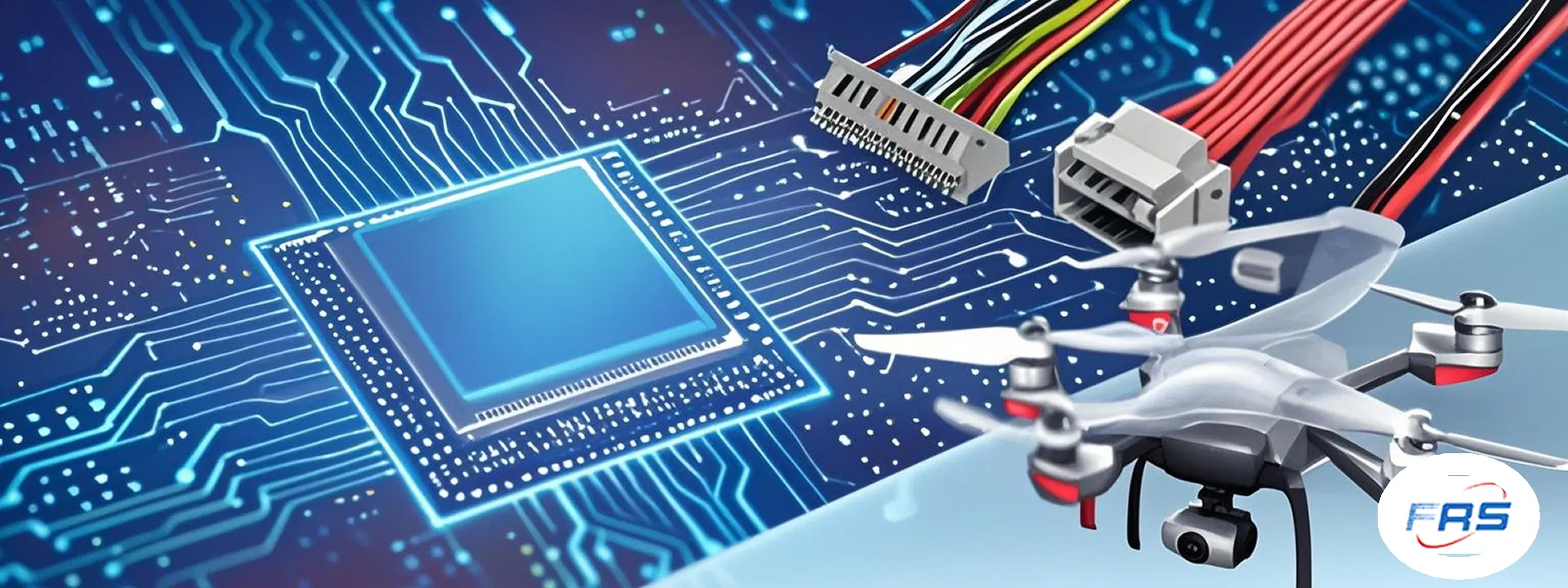
Industrial Cable Assemblies-Industrial Cable Assemblies factory
Industrial cables are the “nerve system” of modern manufacturing, energy, and infrastructure—powering motors, transmitting control signals, and connecting critical equipment. Their performance directly impacts operational efficiency, safety, and downtime costs. For engineers, procurement teams, or facility managers searching to select or maintain industrial cables, understanding the core factors that define performance is essential to avoiding failures and optimizing system reliability. Below are the key elements that determine how well an industrial cable performs in real-world conditions.
The conductor is the backbone of any cable, responsible for carrying electrical current or signals. Its material and structure directly influence conductivity, current-carrying capacity, and long-term stability.
Insulation acts as a barrier between the conductor and the environment, preventing electrical leakage, short circuits, and damage from external factors. Its performance is non-negotiable for safety and durability.
Industrial environments are filled with electromagnetic interference (EMI) from motors, variable frequency drives (VFDs), and radio equipment. Unshielded cables pick up this interference, distorting signals or disrupting power delivery—critical issues for automation and control systems.
The outer jacket (or sheath) and additional reinforcement protect the cable from mechanical damage, abrasion, and environmental stress. This is especially critical for cables installed in high-traffic areas or outdoor settings.
Industrial cables operate in diverse, harsh conditions—from freezing warehouses to corrosive chemical plants. A cable’s ability to withstand these environments directly impacts its lifespan.
A cable that merely “works” is not enough for industrial operations. Poorly performing cables lead to unplanned downtime (costing $50,000–$500,000 per hour for manufacturing plants), safety hazards (e.g., electrical fires), and increased maintenance costs. By prioritizing conductor quality, insulation durability, shielding, structural integrity, and environmental resistance, teams can select cables that match their specific application needs—ensuring long-term reliability.
When it comes to industrial cables built for performance, FRS brand factory stands out as a trusted partner. FRS integrates all the key performance factors into every product: using high-purity annealed copper for conductors, premium XLPE/PTFE for insulation, and dual shielding for EMI protection. Each cable undergoes rigorous testing—from voltage breakdown checks to temperature cycling—to ensure it withstands the harshest industrial environments. Whether you need cables for automation, oil & gas, or outdoor infrastructure, FRS delivers consistent quality that minimizes downtime and maximizes safety. Choose FRS for cables that don’t just perform—they endure.
Our factory offers high-quality products at competitive prices
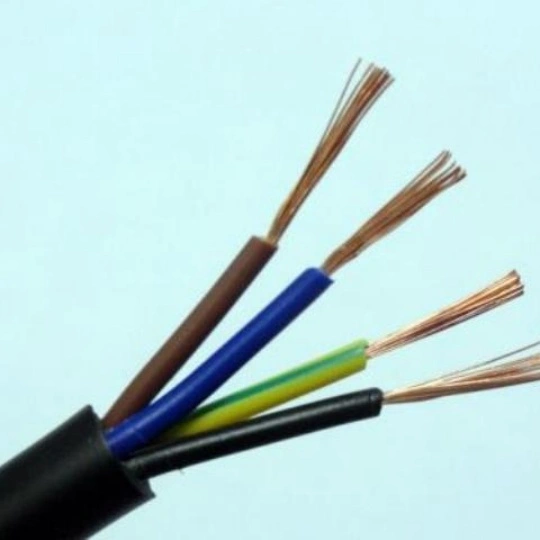
Meta Description: Discover the ultimate Protective Cable Kit designed to safeguard your cables from wear, tangles, and damage. Perfect for home, office, and industrial use. Shop now for long-lasting cable management! Protecti.
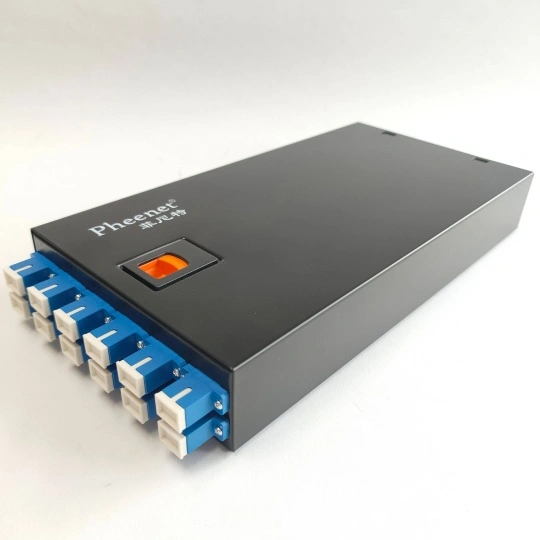
Product OverviewQuick-Install Cable Adapters are the game-changing connectivity solution designed for professionals and DIY enthusiasts alike. Engineered to eliminate installation hassles, these adapters provide instant, tool-free conne.
Feel free to reach out to us for any inquiries or orders.