Industrial Cable Assemblies-Industrial Cable Assemblies factory
In the dynamic landscape of modern industrial operations, high-flex applications—such as robotic arms, automated conveyor systems, CNC machines, and packaging equipment—demand components that can withstand constant motion, mechanical stress, and harsh environmental conditions. Among these critical components, flexible industrial cable assemblies stand out as unsung heroes, enabling seamless performance and reliability where standard cables would fail. But what exactly makes these cable assemblies indispensable for high-flex scenarios? This article delves into the key advantages of flexible industrial cable assemblies, shedding light on why they are the preferred choice for engineers, plant managers, and industrial operators aiming to optimize efficiency, minimize downtime, and extend the lifespan of their equipment.
The most defining advantage of flexible industrial cable assemblies in high-flex applications is their superior resistance to flex fatigue. Unlike standard cables, which are designed for static or low-movement environments, flexible industrial cable assemblies are engineered to endure repeated bending, twisting, and flexing without compromising their structural integrity. This is achieved through specialized design elements and high-performance materials that work in tandem to distribute stress evenly and prevent premature failure.
At the core of their flex fatigue resistance is the use of stranded conductors instead of solid conductors. Stranded conductors are composed of multiple small-gauge wires twisted together, which allows the cable to bend more easily and absorb the mechanical stress of repeated motion. In contrast, solid conductors are rigid and prone to cracking or breaking when subjected to continuous flexing— a common issue in high-flex applications that can lead to costly downtime and equipment damage.
Additionally, flexible industrial cable assemblies often feature advanced insulation and sheathing materials, such as polyurethane (PU) or thermoplastic elastomers (TPE). These materials offer excellent flexibility, abrasion resistance, and resistance to chemicals and temperature fluctuations, further enhancing the cable’s ability to withstand the rigors of high-flex environments. For example, PU-sheathed cables are known for their exceptional flex life, with some models capable of enduring millions of bending cycles without degradation— a critical attribute for robotic arms that move continuously throughout production shifts.
In high-flex applications, maintaining consistent signal and power transmission is paramount. Whether it’s controlling the precise movements of a robotic arm, transmitting data from sensors in a conveyor system, or powering a CNC machine’s spindle, any interruption or degradation in transmission can lead to operational errors, product defects, or complete system shutdowns. Flexible industrial cable assemblies are designed to address this challenge by ensuring reliable transmission even during constant motion.
The stranded conductor design not only enhances flexibility but also improves electrical performance under motion. Unlike solid conductors, which can experience changes in resistance when bent (a phenomenon known as “flex resistance variation”), stranded conductors maintain a stable resistance level, ensuring consistent power delivery and signal integrity. This is particularly important for high-speed data transmission applications, such as industrial Ethernet systems, where signal loss or interference can disrupt communication between equipment and control systems.
Moreover, flexible industrial cable assemblies often incorporate shielding technologies, such as braided shields or foil shields, to protect against electromagnetic interference (EMI) and radio frequency interference (RFI). In industrial environments, where multiple electrical devices and power cables operate in close proximity, EMI/RFI can significantly degrade signal quality. The shielding in flexible cable assemblies acts as a barrier, preventing external interference from disrupting signal transmission and ensuring that critical data and control signals reach their destination accurately.
Downtime is a major concern in industrial operations, as it directly impacts productivity and profitability. Standard cables used in high-flex applications are prone to premature failure due to flex fatigue, abrasion, and other forms of mechanical stress, leading to frequent replacements and unplanned downtime. Flexible industrial cable assemblies, however, are built to last, significantly reducing the need for maintenance and replacement.
Their robust construction—including stranded conductors, durable insulation, and protective sheathing—enables them to withstand the harsh conditions of high-flex environments, such as constant motion, contact with sharp edges, and exposure to oils, chemicals, and extreme temperatures. This extended lifespan means fewer cable failures, less time spent on maintenance and repairs, and more consistent operational uptime. For example, a manufacturing plant using flexible cable assemblies in its robotic welding stations may see a 50% reduction in cable-related downtime compared to using standard cables, translating to significant cost savings over time.
Additionally, many flexible industrial cable assemblies are designed for easy installation and replacement. Features such as pre-terminated connectors, color-coded conductors, and flexible jackets make it easier for maintenance teams to install or replace cables quickly, minimizing the duration of any necessary downtime. This is a key advantage in fast-paced industrial environments where every minute of downtime counts.
High-flex applications often involve compact and complex machinery, where space is at a premium. Robotic arms, for example, have intricate joint systems that require cables to bend and route through tight spaces without becoming tangled or damaged. Flexible industrial cable assemblies are designed with this in mind, offering exceptional flexibility and maneuverability that allows them to adapt to even the most challenging installation environments.
Their small bend radius is a critical feature in this regard. The bend radius of a cable is the minimum radius around which it can be bent without causing damage to the conductors, insulation, or shielding. Flexible industrial cable assemblies have significantly smaller bend radii than standard cables, allowing them to be routed through tight corners, around moving parts, and within compact machinery without compromising their performance or lifespan. This adaptability not only simplifies the installation process but also enables engineers to design more compact and efficient industrial systems.
Furthermore, flexible industrial cable assemblies are available in a wide range of configurations, including multi-conductor cables, coaxial cables, and fiber optic cables, making them suitable for a variety of high-flex applications. Whether it’s a small robotic arm in a electronics manufacturing plant or a large automated conveyor system in a logistics warehouse, there is a flexible cable assembly designed to meet the specific requirements of the application.
Industrial environments are often harsh, with exposure to extreme temperatures, moisture, chemicals, dust, and abrasion. High-flex applications, in particular, can subject cables to additional environmental stress, such as contact with moving parts, exposure to cooling fluids, or exposure to high temperatures from machinery. Flexible industrial cable assemblies are engineered to withstand these harsh conditions, ensuring reliable performance even in the most challenging environments.
The insulation and sheathing materials used in flexible cable assemblies—such as PU, TPE, and silicone—offer excellent resistance to a wide range of environmental factors. PU, for example, is highly resistant to abrasion, oils, greases, and chemicals, making it ideal for use in automotive manufacturing plants or food processing facilities where cables may come into contact with these substances. TPE, on the other hand, offers excellent flexibility at low temperatures, making it suitable for outdoor or cold-storage applications where standard cables may become brittle and crack.
Additionally, many flexible industrial cable assemblies are rated for use in extreme temperature ranges, from -40°C to 125°C or higher, ensuring that they can perform reliably in both hot and cold environments. This environmental durability is a key advantage, as it eliminates the need for additional protective measures (such as cable conduits or sleeves) in many cases, reducing installation costs and simplifying system design.
Safety is a top priority in industrial operations, and the choice of cable assemblies can have a significant impact on the safety of workers and equipment. Flexible industrial cable assemblies are designed to meet strict industry safety standards, ensuring that they operate safely even under the demanding conditions of high-flex applications.
One of the key safety features of flexible cable assemblies is their resistance to overheating. The stranded conductor design allows for better heat dissipation than solid conductors, reducing the risk of overheating even when the cable is under load and in constant motion. This is particularly important in high-power applications, such as electric motors or welding equipment, where overheating can lead to fire or electrical hazards.
Furthermore, flexible industrial cable assemblies are often certified to meet international safety standards, such as UL (Underwriters Laboratories), CE (Conformité Européenne), and IEC (International Electrotechnical Commission). These certifications ensure that the cables have been rigorously tested for safety, performance, and durability, giving industrial operators peace of mind that their systems are compliant with regulatory requirements.
In high-flex industrial applications, where constant motion, harsh environments, and reliable performance are non-negotiable, flexible industrial cable assemblies offer a range of key advantages that standard cables simply cannot match. From exceptional flex fatigue resistance and reliable signal transmission to reduced downtime, adaptability to compact installations, environmental durability, and enhanced safety, these cable assemblies are critical components that enable the smooth and efficient operation of modern industrial systems.
For engineers and industrial operators, investing in high-quality flexible industrial cable assemblies is not just a matter of improving performance—it’s a strategic decision that can reduce costs, minimize downtime, and extend the lifespan of equipment. As industrial automation continues to advance and high-flex applications become more prevalent, the importance of flexible industrial cable assemblies will only grow, solidifying their position as an essential component in the industrial landscape.
Whether you’re designing a new robotic system, upgrading an existing conveyor line, or maintaining a CNC machine, choosing the right flexible industrial cable assembly is crucial. By understanding the key advantages outlined in this article, you can make an informed decision that meets the specific needs of your high-flex application and ensures long-term reliability and performance.
Our factory offers high-quality products at competitive prices
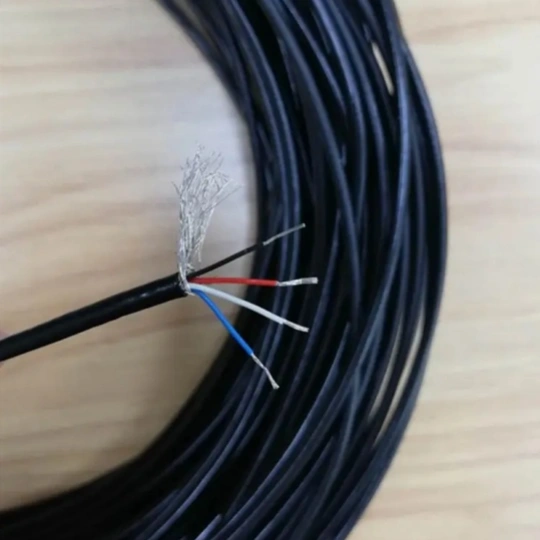
Ensure reliable power transmission and long-lasting performance in the harshest conditions with our High-Temperature Resistant Cable Accessories. Engineered to withstand extreme heat, these premium-grade accessories are designed to prote.
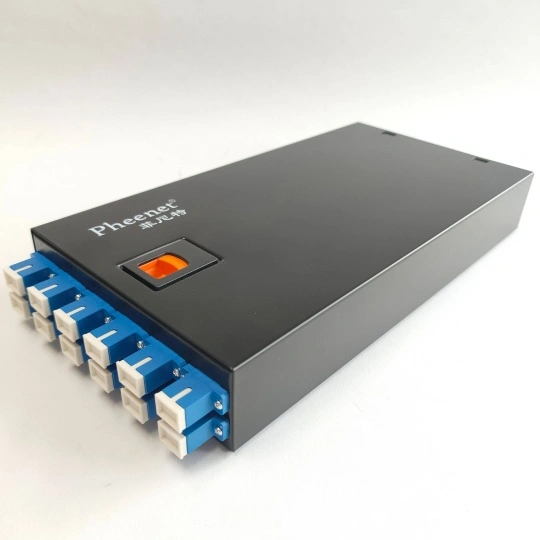
Product OverviewQuick-Install Cable Adapters are the game-changing connectivity solution designed for professionals and DIY enthusiasts alike. Engineered to eliminate installation hassles, these adapters provide instant, tool-free conne.
Feel free to reach out to us for any inquiries or orders.