Industrial Cable Assemblies-Industrial Cable Assemblies factory
In the complex and harsh environment of industrial automation, M12 industrial cable assemblies have become the backbone of signal and power transmission, thanks to their compact structure, reliable connection performance and strong adaptability. For professionals engaged in industrial equipment design, maintenance and procurement, understanding the protection levels of M12 industrial cable assemblies is crucial to ensuring the stable operation of the entire system. These protection levels directly determine the cable’s ability to resist dust, water, oil, vibration and other adverse factors in industrial scenarios. This article will comprehensively explore the typical protection levels of M12 industrial cable assemblies, interpret their specific meanings, analyze the factors affecting protection performance, and provide practical selection guidelines to help users make informed decisions.
Before delving into the specific protection levels of M12 industrial cable assemblies, it is necessary to clarify the most widely used evaluation standard – the IP (Ingress Protection) rating system. Formulated by the International Electrotechnical Commission (IEC) in standard IEC 60529, the IP rating is a two-digit code that respectively indicates the protection capacity against solid foreign objects and liquid ingress. Each digit has a clear definition range, and the higher the digit, the stronger the corresponding protection performance.
For M12 industrial cable assemblies, the IP rating is not only a key parameter to measure their environmental adaptability but also an important basis for distinguishing their application scenarios. It should be noted that the IP rating of M12 cable assemblies is the comprehensive protection level of the entire assembly, including the M12 connector, cable sheath and the connection part between the connector and the cable. Any link with insufficient protection will affect the overall IP rating. Therefore, when selecting M12 cable assemblies, users cannot only focus on the IP rating of the connector but also need to confirm the protection performance of the entire assembly.
The first digit of the IP rating for M12 industrial cable assemblies ranges from 0 to 6, representing different levels of protection against solid foreign objects such as dust, sand and debris. In industrial environments, solid particles are one of the main factors that cause cable assembly failures. For example, dust entering the connector will cause poor contact, affecting signal transmission; large particles may even damage the internal pins of the connector. The following are the typical solid protection levels of M12 cable assemblies and their application scenarios:
The first digit “2” means that the M12 cable assembly can prevent the intrusion of solid objects with a diameter greater than 12.5mm, such as fingers, and can also prevent large dust particles from entering. This level of protection is suitable for relatively clean industrial environments, such as ordinary workshops with good ventilation and dust removal equipment, where there is no large amount of dust accumulation and no risk of large solid objects colliding with the cable assembly. For example, in some light industrial production lines where the production process generates less dust, IP2X M12 cable assemblies can meet the basic protection needs.
The first digit “5” is a very common solid protection level in M12 industrial cable assemblies, indicating that the cable assembly has a dust-protection function. It can prevent most dust from entering the interior, and the amount of dust that may enter will not affect the normal operation of the cable assembly and will not cause harm to the internal components. This level of protection is widely used in general industrial environments, such as mechanical processing workshops, assembly lines and other places where a certain amount of dust is generated. In these scenarios, IP5X M12 cable assemblies can effectively resist the erosion of dust, ensuring the stability of signal and power transmission.
The first digit “6” is the highest level of solid protection in the IP rating system, representing dust-tight protection. M12 cable assemblies with IP6X rating can completely prevent dust from entering, even in environments with high dust concentration, such as cement factories, mining sites and flour processing workshops, they can maintain good working performance. This level of protection is achieved by adopting a fully sealed structure for the connector and the cable connection part, which can effectively isolate the internal components from the external dust environment. For industrial equipment that needs to work continuously in harsh dust environments, IP6X M12 cable assemblies are an indispensable choice.
The second digit of the IP rating for M12 industrial cable assemblies ranges from 0 to 9K, indicating the protection capacity against different forms of liquid ingress, such as dripping water, splashing water, spraying water and high-pressure jet water. In industrial production, liquids such as water, oil and coolant are common threats to cable assemblies. Liquid ingress may cause short circuits, corrosion of internal components and other failures, so the liquid protection level is also a key consideration for users. The following are the typical liquid protection levels of M12 cable assemblies and their characteristics:
The second digit “4” means that the M12 cable assembly can resist splashing water from any direction. When water splashes on the surface of the cable assembly, it will not enter the interior and affect the normal operation. This level of protection is suitable for environments where there is a risk of water splashing, such as workshops with water cooling equipment, cleaning areas of industrial equipment and outdoor installations with shelter. For example, in the cleaning process of food processing equipment, water splashing is inevitable, and IPX4 M12 cable assemblies can ensure the safety and stability of the connection.
The second digit “6” indicates that the M12 cable assembly can resist powerful water jets from any direction. Even if it is flushed with high-pressure water, the liquid will not enter the interior. This level of protection is higher than IPX4 and is suitable for environments that need to be cleaned with high-pressure water, such as automobile manufacturing workshops, heavy machinery cleaning areas and outdoor environments exposed to heavy rain. In these scenarios, the cable assembly may be directly impacted by high-pressure water, and IPX6 M12 cable assemblies can effectively resist this kind of impact, ensuring long-term reliable operation.
The second digit “8” is a high-level liquid protection level, which means that the M12 cable assembly can work normally under continuous submersion in water. The specific submersion depth and time are agreed upon by the manufacturer and the user, but generally, it can withstand submersion in water deeper than 1m for a long time. This level of protection is suitable for underwater applications or environments that may be completely submerged by water, such as underwater sensors, submersible pumps and marine equipment. IPX8 M12 cable assemblies adopt a special sealing structure, such as rubber sealing rings and potting technology, to ensure that no water enters the interior even under high water pressure.
The second digit “9K” is the highest level of liquid protection in the IP rating system, which means that the M12 cable assembly can resist high-temperature and high-pressure water jets from multiple angles. This level of protection is mainly designed for environments that require high-temperature and high-pressure cleaning, such as the cleaning process of engine components in the automobile industry and the disinfection process of pharmaceutical production equipment. The high-temperature and high-pressure water jets in these scenarios have strong erosion ability, and IPX9K M12 cable assemblies need to use high-temperature resistant and high-pressure resistant materials and advanced sealing technology to ensure that they are not damaged by the water jets.
In actual applications, the protection level of M12 industrial cable assemblies is usually a combination of solid protection and liquid protection, forming a complete IP rating. The following are several common combined protection levels and their typical application scenarios, which can help users better understand the practical application value of different protection levels:
IP54 is the most widely used protection level for M12 industrial cable assemblies, combining IP5X dust protection and IPX4 splash water protection. This level of protection can meet the needs of most general industrial environments, such as ordinary mechanical processing workshops, assembly lines, automated production systems and other places. It can effectively resist the intrusion of dust and splashing water, ensuring the stable operation of the cable assembly. Due to its good versatility and cost-effectiveness, IP54 M12 cable assemblies have become the first choice for many industrial automation projects.
IP67 is a high-protection level that combines IP6X dust-tight protection and IPX7 temporary submersion protection (usually can be submerged in water 1m deep for 30 minutes). This level of protection is suitable for harsh industrial environments with high dust concentration and the risk of temporary submersion, such as construction sites, mining areas, outdoor equipment and workshops with frequent water accumulation. For example, in the construction of smart cities, outdoor sensors need to be connected with M12 cable assemblies with IP67 protection level to resist the influence of wind, rain, dust and other natural factors.
IP68 is a higher level of protection than IP67, combining IP6X dust-tight protection and IPX8 long-term submersion protection. This level of protection is suitable for applications that need to work under long-term submersion conditions, such as underwater monitoring equipment, submersible pumps, marine exploration equipment and other fields. IP68 M12 cable assemblies have stricter requirements on the sealing performance and material selection, and the cost is relatively higher, but they can provide reliable protection in extreme underwater environments.
IP69K is a top-level protection level that combines IP6X dust-tight protection and IPX9K high-temperature and high-pressure water jet protection. This level of protection is mainly used in special industrial environments that require high-temperature and high-pressure cleaning, such as the automobile manufacturing industry, pharmaceutical industry and food processing industry. In these industries, equipment needs to be regularly cleaned with high-temperature and high-pressure water to ensure hygiene and safety, and IP69K M12 cable assemblies can withstand this kind of harsh cleaning process without being damaged.
The protection level of M12 industrial cable assemblies is not only determined by the design but also affected by many factors in the production, installation and use processes. Understanding these factors can help users better maintain the protection performance of the cable assembly and avoid failures caused by insufficient protection. The main influencing factors are as follows:
The sealing material is the core of the protection performance of M12 cable assemblies. Common sealing materials include nitrile rubber (NBR), silicone rubber (SiR), fluorine rubber (FKM) and ethylene propylene diene monomer (EPDM). Different materials have different resistance to temperature, oil, chemical substances and aging. For example, nitrile rubber has good oil resistance and is suitable for environments with oil pollution; silicone rubber has good high-temperature resistance and is suitable for high-temperature environments; fluorine rubber has excellent chemical resistance and is suitable for environments with corrosive chemicals. If the sealing material is not selected properly, it will easily age, crack or deform, resulting in a decrease in protection performance.
The rationality of the sealing structure directly affects the protection effect of M12 cable assemblies. A good sealing structure should ensure that all possible entry points of solid particles and liquids are sealed, such as the connection between the connector and the cable, the mating surface of the connector and the contact points of the pins. Common sealing structures include O-ring seals, gasket seals and potting seals. O-ring seals are widely used due to their simple structure and good sealing effect, but they require precise dimensional matching; potting seals use potting glue to seal the entire connection part, which has a good sealing effect but is not easy to disassemble and maintain.
Even if the M12 cable assembly has a high protection level, improper installation and mating will reduce its protection performance. For example, if the connector is not mated in place, there will be gaps between the mating surfaces, allowing dust and liquid to enter; if the cable is bent excessively during installation, it may damage the sealing structure at the connection part. Therefore, during installation, it is necessary to follow the manufacturer’s instructions to ensure that the connector is mated in place, the cable is laid correctly, and no excessive force is applied to the connection part.
The actual use environment of M12 cable assemblies will also affect their protection performance. For example, in high-temperature environments, the sealing material will age faster, reducing the service life and protection performance; in environments with strong corrosive gases or liquids, the sealing material and the shell of the connector may be corroded, resulting in sealing failure. Therefore, when selecting M12 cable assemblies, it is necessary to fully consider the environmental factors of the use site and select products with corresponding protection levels and material characteristics.
Selecting the right protection level of M12 industrial cable assemblies is crucial to ensuring the stable operation of the system and reducing maintenance costs. Users can follow the following steps to select the appropriate protection level according to their actual needs:
First, it is necessary to comprehensively analyze the use environment of the cable assembly, including the type and concentration of solid particles, the form and pressure of liquid, the temperature range, the presence of corrosive substances and other factors. For example, if the cable assembly is used in a dust-rich mining site, it is necessary to select a product with dust-tight protection (IP6X); if it is used in an underwater sensor, it is necessary to select a product with IPX8 submersion protection.
Based on the analysis of the use environment, clarify the specific protection requirements of the cable assembly. For example, whether it needs to resist high-pressure water jets, whether it needs to work under submersion conditions, whether it needs to withstand high-temperature environments, etc. At the same time, it is also necessary to consider the reliability requirements of the system. For key components that affect the normal operation of the entire system, it is recommended to select a protection level higher than the actual environment to ensure redundancy.
Different manufacturers may have differences in the design and production of M12 cable assemblies, and the actual protection performance may also vary even for products with the same IP rating. Therefore, when selecting, it is necessary to refer to the manufacturer’s product specifications, understand the detailed parameters of the product, such as the material of the sealing ring, the submersion depth and time of IPX8, the temperature range of IPX9K, etc. At the same time, it is recommended to select products from well-known manufacturers with reliable quality to ensure that the protection performance meets the requirements.
Generally speaking, the higher the protection level of M12 cable assemblies, the higher the cost. Therefore, when selecting, it is necessary to balance the protection requirements and cost-effectiveness, and not blindly pursue high protection levels. For example, in a general workshop with no special environmental requirements, selecting IP54 products can meet the needs and save costs; while in harsh environments, it is necessary to invest in high-protection level products to avoid frequent failures and maintenance costs.
The protection level of M12 industrial cable assemblies is a key parameter that determines their environmental adaptability and reliability. From the common IP54 universal protection level to the high-end IP69K high-temperature and high-pressure water jet protection level, different protection levels are designed for different industrial environments. By understanding the meaning of the IP rating system, the characteristics of typical protection levels and the factors affecting protection performance, users can select the appropriate M12 cable assemblies according to their actual needs.
In the process of selection, it is necessary to comprehensively consider the use environment, protection requirements, manufacturer’s specifications and cost-effectiveness to ensure that the selected cable assemblies can stably operate in the target environment, reduce the risk of failures and improve the overall reliability of the system. With the continuous development of industrial automation technology, the protection requirements of M12 industrial cable assemblies will become higher and higher, and manufacturers will also continue to optimize the design and material selection to provide more reliable protection solutions for industrial applications.
Our factory offers high-quality products at competitive prices
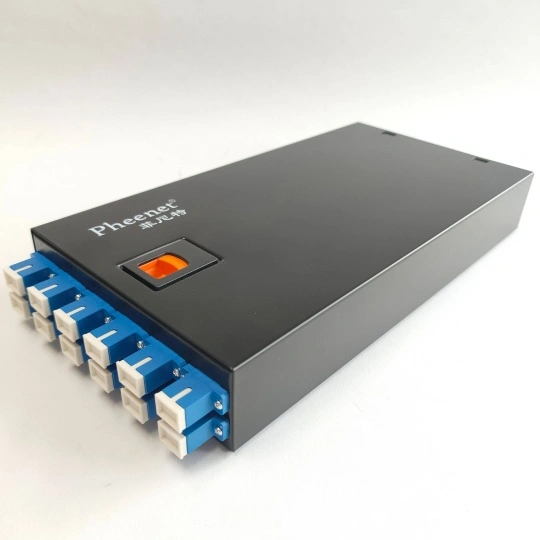
Product OverviewQuick-Install Cable Adapters are the game-changing connectivity solution designed for professionals and DIY enthusiasts alike. Engineered to eliminate installation hassles, these adapters provide instant, tool-free conne.
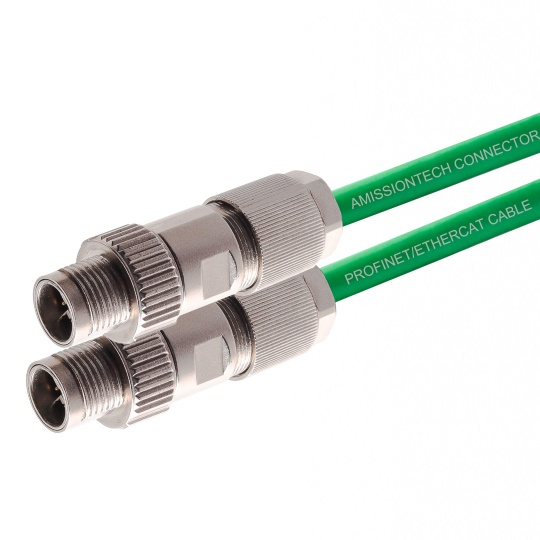
Industrial cable components are the backbone of reliable and efficient connectivity in industrial automation, robotics, and machinery. Engineered to withstand harsh environments while ensuring seamless data transmission and power delivery.
Feel free to reach out to us for any inquiries or orders.