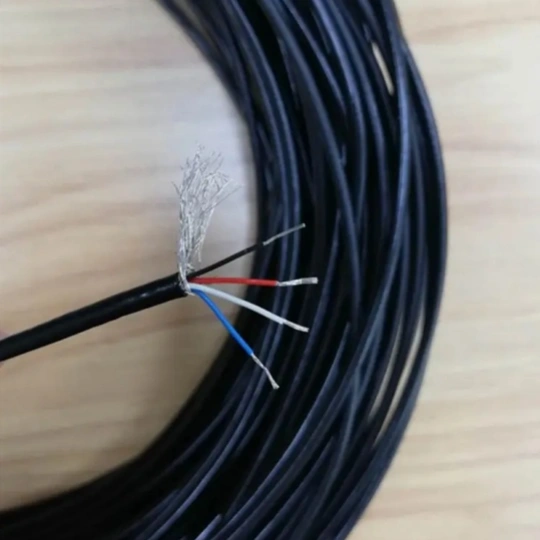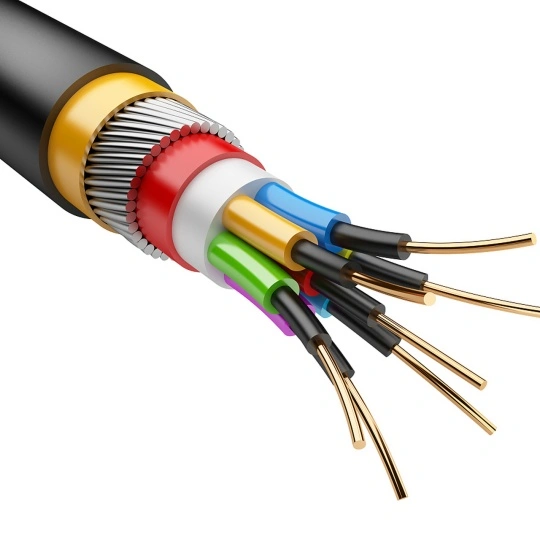
Introduction Industrial environments with extreme temperatures—such as steel mills, chemical plants, automotive manufacturing, or renewable energy facilities—demand specialized cable components to ensure safety, durability, and performance. Selecting the right cables for high-temperature applications is critical to prevent equipment failure, downtime, and safety hazards. This guide explores key considerations for choosing industrial cable components in high-heat settings, focusing on materials, standards, and practical tips to meet real-world demands.
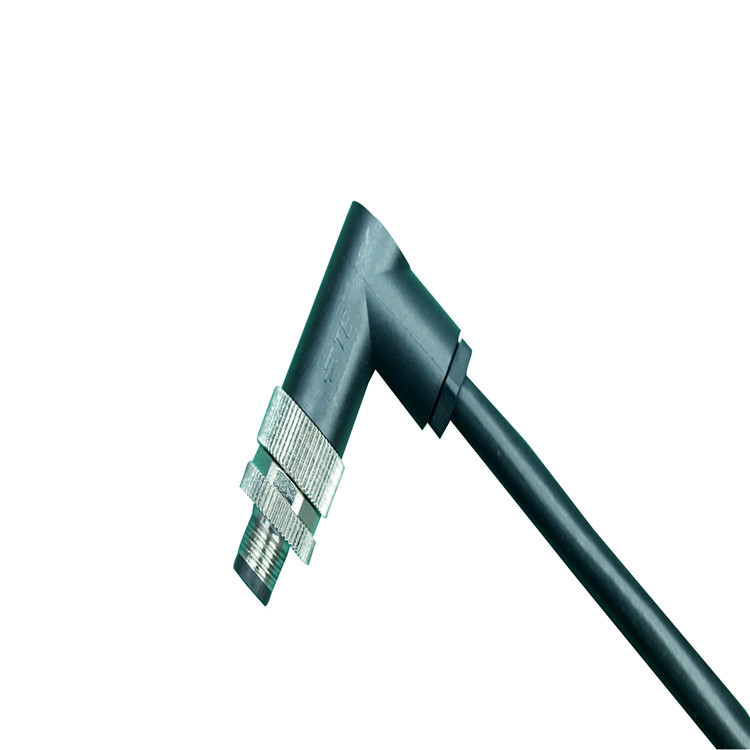
1. Understanding High-Temperature Challenges
Cables in high-temperature environments face risks like:
Insulation Degradation: Heat can melt or crack insulation, exposing conductors.
Conductor Oxidation: High temps accelerate metal oxidation, increasing resistance and reducing conductivity.
Reduced Flexibility: Materials may harden and become brittle over time.
Fire Hazards: Poorly selected cables can ignite or emit toxic fumes.
To mitigate these risks, focus on heat-resistant materials, certifications, and design engineering.
2. Key Materials for High-Temperature Cables
Material selection is the foundation of cable performance. Here are the most reliable options:
A. Insulation Materials
Silicone Rubber
Temperature Range: -60°C to +200°C (short-term up to 300°C).
Benefits: Flexibility, flame resistance, and chemical stability.
Applications: Ovens, foundries, and power generation.
Polytetrafluoroethylene (PTFE)
Temperature Range: -200°C to +260°C.
Benefits: Exceptional chemical resistance, low friction, and non-flammability.
Applications: Aerospace, military, and chemical processing.
Fluorinated Ethylene Propylene (FEP)
Temperature Range: -200°C to +200°C.
Benefits: UV resistance and low smoke emission.
Applications: Semiconductor manufacturing and food processing.
Mineral Insulated (MI) Cables
Temperature Range: Up to 1,000°C (with copper sheathing).
Benefits: Fireproof, waterproof, and long lifespan.
Applications: Nuclear plants, fire alarm systems.
B. Jacketing Materials
Cross-Linked Polyethylene (XLPE): Resists temperatures up to 150°C.
Thermoplastic Elastomers (TPE): Balances flexibility and heat resistance (up to 125°C).
Ceramic Fiber: Used in ultra-high-temp environments (over 500°C) for thermal shielding.
C. Conductors
Copper: Standard choice for conductivity; nickel-plated copper resists oxidation.
Nickel Alloys: Ideal for temperatures exceeding 250°C.
3. Certifications and Standards
Ensure compliance with industry standards to guarantee safety and reliability:
UL Standards: UL 44 (thermoset-insulated wires) and UL 83 (thermoplastic).
IEC 60584: Specifies thermocouple cables for extreme temps.
MIL-STD-202: Military-grade testing for durability.
RoHS/REACH: Compliance with hazardous substance restrictions.
Always verify certifications match your operating environment.
4. Design Considerations
Beyond materials, optimize cable design for high-heat conditions:
Shielding: Use braided copper or aluminum foil to protect against EMI/RFI interference.
Abrasion Resistance: Reinforce jackets with materials like Kevlar in high-friction areas.
Thermal Expansion: Select materials with low thermal expansion coefficients to prevent cracking.
Bend Radius: Ensure cables remain flexible enough for installation in tight spaces.
5. Applications and Case Studies
Steel Manufacturing: Mineral-insulated cables handle molten metal splashes and radiant heat.
Oil and Gas: PTFE-insulated cables resist corrosive gases and temps up to 250°C.
Avoid Overloading: Operate within the cable’s ampacity rating.
Proper Ventilation: Install cables away from heat sources where possible.
Regular Inspections: Check for brittleness, discoloration, or cracks.
Use Conduits: Protect cables from direct heat exposure with ceramic or metal conduits.
FAQ Section
Q: What’s the maximum temperature industrial cables can withstand? A: Standard cables handle up to 90°C, while specialized cables (e.g., PTFE, MI) endure 250°C–1,000°C.
Q: Can I use standard PVC cables in high-heat environments? A: No. PVC melts at 105°C–140°C, posing fire risks. Opt for silicone or PTFE instead.
Q: How do I test a cable’s heat resistance? A: Perform thermal aging tests (IEC 60216) and continuous load testing under simulated conditions.
Ensuring the traceability of industrial cable assemblies is not just a best practice; it’s a critical necessity. From manufacturing and assembly through installation, maintenance, and eventual decommissioning, clear and reliable l...
Electrical cable overload is a silent threat that can lead to catastrophic consequences, including fires, equipment damage, and costly downtime. Thermal imaging cameras have emerged as a game-changing tool for identifying overheating in...
Subsea fiber optic cable connectors play a crucial role in the reliable transmission of data and signals in underwater environments. However, the significant pressure differences between the deep – sea and the surface pose a major...
Industrial cables are vital components in various industrial settings, responsible for transmitting power and signals. When they get damaged, it can disrupt production and even cause safety hazards. Therefore, knowing how to repair them...
Industrial cables are the backbone of Europe’s manufacturing, energy, infrastructure, and automotive sectors, with reliability, compliance to EU standards (such as CE, REACH, and IEC), and technical adaptability being core requirements ...
Outdoor industrial scenarios—ranging from solar photovoltaic (PV) parks and urban utility grids to highway traffic control systems and offshore oil platforms—depend heavily on industrial cables to ensure stable power transmission, signa...
In industrial automation, the SERCOS (Serial Real-Time Communication System) protocol stands out as a cornerstone for high-speed, deterministic data exchange between controllers, drives, and sensors. However, the performance of SERCOS n...
High-speed machinery, such as CNC machines, robotic arms, and automated assembly lines, relies heavily on industrial cables to transmit power, signals, and data accurately and reliably. The wrong cable choice can lead to frequent downti...
Smart factories are revolutionizing manufacturing by integrating advanced technologies like IoT, robotics, and AI. At the heart of these systems lies a critical component often overlooked: custom cables. Here’s why tailored cabling sol...
Industrial cables are the lifeline of manufacturing, energy, and infrastructure systems, but extreme weather conditions—such as scorching heat, freezing cold, heavy rain, strong winds, and snowstorms—pose severe threats to their perform...
Choosing the right cable assembly is critical to ensuring system reliability, safety, and cost-efficiency across industries such as manufacturing, telecommunications, and energy. However, with countless options in materials, connectors,...
In industries such as food processing, pharmaceuticals, agriculture, and wastewater management, equipment is frequently exposed to high-pressure washdowns, harsh chemicals, and extreme temperatures. To ensure reliability and safety, sel...
Industrial power cables are the lifeline of modern industrial systems, transmitting electrical energy to drive machinery, equipment, and production lines. However, when deployed in harsh environments—such as high-temperature foundries, ...
Industrial power cable assemblies are engineered to handle specific electrical loads. Exceeding their rated current capacity—known as overloading—can lead to severe consequences. Here’s a concise breakdown of the risks and actionable so...
Tidal energy is a predictable and clean form of renewable power, but its marine environment—with high salinity, strong currents, and constant vibration—demands cabling systems that go beyond standard industrial specs. This is where cust...
Industrial cables are the unsung backbone of modern military operations, functioning as both “information transmitters” and “energy conveyors.” Unlike civilian industrial cables, military-grade industrial cables ...
In the complex ecosystem of industrial operations—from automated manufacturing lines to heavy-duty mining equipment, and from industrial robotics to critical power transmission systems—industrial cable connectors serve as the unsung her...
Mineral-Insulated (MI) cables are a specialized type of electrical cable renowned for their exceptional durability and safety features, making them indispensable in various high-demand industries. Unlike traditional cables that rely on ...
Electromagnetic Interference (EMI) presents a significant challenge to the reliable operation of industrial machinery and control systems. While robust design aims for EMI immunity, industrial cable assemblies themselves can often...
Industrial cable assemblies are the backbone of modern infrastructure, powering everything from manufacturing plants to renewable energy systems. However, as industries face increasing pressure to reduce their environmental footprint, t...
In today’s interconnected industrial landscape, electromagnetic interference (EMI) poses a significant threat to the reliability and performance of cable assemblies. From factory automation to power distribution systems, EMI can disrupt...
Sensor cable assemblies are critical components that connect sensors to data acquisition systems, control units, or other electronic devices. Their performance directly impacts the accuracy, reliability, and longevity of the entire sens...
In a smart factory, the network of industrial Ethernet, fieldbus, sensors, actuators, robots, and servo systemsis only as reliable as the cables connecting them. Downtime in such environments doesn’t just stop a single machine—it ...
IntroductionIndustrial robots are the backbone of modern manufacturing, performing tasks with precision and speed. However, their efficiency heavily relies on the durability of cable assemblies, which transmit power, signals, and data. ...
In high-precision machine vision applications, even a minor cable issue can lead to image artifacts, data loss, and costly downtime. As resolutions, frame rates, and system complexity increase, the Multi-layer shielding Camera Link cabl...
Meta Description: Discover the best materials for cable assemblies in high-temperature environments. Learn about heat-resistant polymers, insulation options, and practical tips for durability and safety.
High-temperature env...
In industries where failure is not an option, High Voltage Industrial Cable Assemblies with Wide Temperature Range for Extreme Scenariosare the critical links that keep power and signals flowing. These assemblies are purpose-built to op...
Selecting the right RF (Radio Frequency) cable assembly is critical for ensuring optimal performance in wireless communication systems, aerospace applications, medical devices, and countless other industries. With so many options availa...
In industrial automation, mobile equipment is only as reliable as the cables that power and connect it. Downtime from a failed cable assembly can cost thousands of dollars per hour, making the right Industrial Cable Assemblies for Mobil...
The relentless push towards smarter, faster, and more connected factories is fundamentally reshaping the requirements for electrical interconnects. At the heart of this evolution are multi-core industrial cable assemblies, which serve a...
In today’s competitive business landscape, every investment counts. Whether you’re operating in the automotive, aerospace, medical, or telecommunications industry, the components you choose directly impact your bottom line, operational ...
In the high-stakes environment of modern industrial automation, the difference between seamless production and catastrophic downtime often comes down to a single component: the connection. While controllers, sensors, and actuators get m...
Industrial cable assemblies are critical components in manufacturing, automation, and heavy machinery. Choosing the right ones—especially those certified by Underwriters Laboratories (UL)—ensures safety, reliability, and compliance. Thi...
When it comes to electrical cables, understanding the differences between industrial and marine cables is crucial for selecting the right option for specific applications. While both serve the purpose of transmitting electricity, their ...
Automated Guided Vehicles (AGVs) represent a cornerstone of modern industrial automation, driving efficiency in logistics, manufacturing, and warehousing. While navigation systems, batteries, and control software often capture the spotl...
In the complex ecosystem of industrial machinery, every component plays a pivotal role in ensuring seamless operation, and industrial cables stand out as the unsung heroes. These cables are not mere conductors of electricity or data; th...
Industrial settings like oil refineries, chemical plants, grain silos, and paint spray booths contain areas where flammable gases, vapors, dusts, or fibers can be present. Using standard electrical equipment here can trigger explosions....
In today’s high‑speed industrial environments, reliable connectivity is non‑negotiable. Industrial cable assembliesserve as the nervous system of machinery, automation systems, and telecom infrastructure. At Top Electronics (FRS), we sp...
Industrial cable components are the backbone of reliable and efficient connectivity in industrial automation, robotics, and machinery. Engineered to withstand harsh environments while ensuring seamless data transmission and power delivery.
Meta Description: Discover the ultimate Protective Cable Kit designed to safeguard your cables from wear, tangles, and damage. Perfect for home, office, and industrial use. Shop now for long-lasting cable management!
Protecti.
Contact Us
Feel free to reach out to us for any inquiries or orders.