Industrial Cable Assemblies-Industrial Cable Assemblies factory
In the realm of industrial automation, manufacturing, and harsh environment operations, the reliability of connectivity solutions can make or break operational efficiency. Downtime caused by cable assembly failures—whether due to dust ingress, water damage, or environmental wear—translates to lost productivity, costly repairs, and compromised safety. This is where Ingress Protection (IP) ratings become critical, and among them, the IP67 rating stands out as a benchmark for rugged performance in industrial settings. But what exactly does an IP67 rating mean for industrial cable assemblies? How does it differ from other IP ratings, and why is it a non-negotiable requirement in many industrial applications? This comprehensive guide breaks down the IP67 standard, its implications for cable assembly design and performance, and how it safeguards critical industrial operations.
Before diving into IP67 specifically, it’s essential to grasp the structure of the IP rating system. Defined by the international standard IEC 60529 (and adopted globally, including in North America and Europe), the IP code classifies the degree of protection provided by electrical enclosures—including cable assemblies—against the intrusion of solid particles (such as dust) and liquids (like water, oil, or chemicals) <superscript>2superscript><superscript>9superscript>. The code consists of the letters “IP” followed by two digits, each with a distinct meaning:</superscript></superscript>
For industrial cable assemblies, the IP rating is not just a “nice-to-have” specification—it’s a promise of durability in environments where unprotected cables would quickly fail. Now, let’s break down the two digits of the IP67 rating to understand their practical impact.
An IP67 rating is a combination of two high-level protection ratings: 6 for solid particle protection and 7 for liquid protection. Together, these digits guarantee that the cable assembly can withstand some of the most challenging conditions in industrial environments. Let’s examine each digit in detail.
The first digit “6” in IP67 means the cable assembly is completely dust-tight. This is the highest level of solid particle protection available under the IEC 60529 standard <superscript>4superscript><superscript>7superscript>. What does this look like in practice? Dust, dirt, and other fine particulate matter—common in manufacturing plants, construction sites, mining operations, and outdoor industrial facilities—cannot penetrate the cable’s connectors, jacket, or termination points. Dust ingress is a major threat to cable performance: over time, dust accumulation can corrode conductors, degrade insulation, and cause short circuits or signal interference. For industrial applications like sensor networks, robotics, and conveyor systems—where even minor signal loss can disrupt operations—dust tightness is non-negotiable.</superscript></superscript>
To achieve a 6-rated dust protection, IP67 industrial cable assemblies are designed with precision-sealed connectors (such as M8 or M12 connectors, which are widely used in industrial automation) and robust cable jackets. Manufacturers like TE Connectivity and Molex use overmolded designs and tight-fitting seals to eliminate gaps where dust could enter <superscript>1superscript><superscript>12superscript>. Additionally, the cable’s termination points are often encapsulated to prevent dust from infiltrating the conductor-insulation interface.</superscript></superscript>
The second digit “7” in IP67 indicates protection against short-term immersion in water. Specifically, the cable assembly can be submerged in water up to 1 meter (3.3 feet) deep for a maximum of 30 minutes without suffering harmful ingress of water <superscript>2superscript><superscript>9superscript>. This is a critical distinction from lower liquid protection ratings: for example, IP65 protects against low-pressure water jets (like rain or light washing), while IP66 resists high-pressure water sprays (common in industrial washdowns). IP67 goes a step further by enabling temporary submersion—making it ideal for environments where flooding, puddles, or accidental immersion is a risk.</superscript></superscript>
It’s important to note that IP67 does not guarantee protection against continuous immersion (that’s IP68) or high-pressure, high-temperature water jets (IP69K) <superscript>2superscript><superscript>7superscript>. For example, an IP67 cable assembly would survive a temporary flood in a factory basement but might fail if submerged in a tank for hours or subjected to a industrial steam cleaner. Understanding these limits is key to selecting the right cable assembly for your application.</superscript></superscript>
Achieving an IP67 rating is not accidental—it requires intentional design choices and high-quality materials. Manufacturers of IP67 industrial cable assemblies incorporate several critical features to meet the IEC 60529 standard:
Connectors are the most vulnerable point for ingress in any cable assembly, so IP67-rated cables rely on precision-sealed connectors. Common options include M8 and M12 connectors (used for sensor/actuator and Ethernet connectivity), USB Type-A connectors with threaded receptacles, and power connectors with moulded seals <superscript>1superscript><superscript>8superscript><superscript>12superscript>. These connectors feature O-rings, bayonet locking rings, or threaded interfaces that create a tight seal when mated. For example, Mennekes’ PowerTOP Plus IP67 power plugs use moulded front seals and bayonet locking rings to ensure a watertight connection when paired with compatible sockets <superscript>5superscript>.</superscript></superscript></superscript></superscript>
The cable jacket (outer covering) plays a vital role in IP67 protection. Manufacturers use durable, water-resistant materials like Polyvinyl Chloride (PVC), Polyurethane (PUR), or Thermoplastic Elastomer (TPE) <superscript>1superscript><superscript>12superscript>. Each material offers unique benefits: PVC is economical and suitable for low-movement applications, while PUR is highly resistant to wear, torsion, and chemicals—making it ideal for drag chains, robotics, and harsh industrial environments <superscript>1superscript>. Some IP67 cables also feature shielded jackets to protect against electromagnetic interference (EMI), a common issue in industrial settings with motors, generators, and other high-power equipment.</superscript></superscript>
The point where the cable meets the connector (the termination) is another potential ingress point. IP67 industrial cable assemblies use overmolding—a process where molten plastic is injected around the termination—to create a seamless, waterproof bond between the cable jacket and connector <superscript>1superscript><superscript>8superscript>. This eliminates gaps and prevents water or dust from seeping into the conductor. Some manufacturers also encapsulate terminations with epoxy or other sealants for added protection.</superscript></superscript>
Mechanical stress—from bending, pulling, or vibration—can damage the cable jacket or connector seal over time. IP67 cable assemblies include strain relief features, such as rugged cable glands or overmolded strain relief boots, to distribute stress away from the termination <superscript>5superscript>. This not only preserves the IP67 seal but also extends the cable’s overall lifespan in high-vibration environments (like manufacturing floors or automotive assembly lines).</superscript>
Industrial environments are unforgiving. From dust-choked mining sites to wet food processing plants, from outdoor renewable energy installations to robotics facilities, cable assemblies face constant threats. IP67-rated cable assemblies address these threats by ensuring reliable connectivity, reducing downtime, and lowering maintenance costs. Here are the key reasons why IP67 is essential in industrial settings:
Downtime is the enemy of industrial productivity. A single cable failure due to dust or water ingress can halt an entire production line. IP67 cable assemblies are factory-tested to meet strict protection standards, eliminating the risk of false wiring and ensuring robust connections <superscript>1superscript>. For example, in a smart factory, IP67 M12 cable assemblies enable reliable Ethernet communication between sensors, actuators, and programmable logic controllers (PLCs)—even in dusty, damp conditions—keeping the production line running smoothly.</superscript>
IP67’s combination of dust tightness and short-term immersion protection makes it versatile across a wide range of industrial applications. It’s used in:
Many industrial sectors have strict safety and compliance requirements. For example, the automotive, aerospace, and medical industries mandate reliable connectivity solutions to ensure worker safety and product quality. IP67-rated cable assemblies meet these requirements by providing consistent performance in harsh conditions. Additionally, IP67 cables are often RoHS-compliant, making them suitable for global markets <superscript>8superscript>.</superscript>
To fully appreciate IP67’s value, it’s helpful to compare it to other IP ratings commonly used in industrial cable assemblies. Here’s a breakdown of how IP67 stacks up against IP65, IP66, and IP68:
Both IP65 and IP67 offer complete dust tightness (first digit 6). The difference lies in liquid protection: IP65 resists low-pressure water jets (e.g., rain, light washing), while IP67 handles short-term immersion. Choose IP65 for dry-to-damp environments (e.g., indoor factories with minimal moisture) and IP67 for environments with risk of puddles or temporary flooding <superscript>7superscript>.</superscript>
IP66 provides protection against high-pressure water sprays (e.g., industrial washdowns with pressure washers), while IP67 offers short-term immersion. Note that IP66 does not protect against submersion—so if your application involves both high-pressure washing and occasional flooding, you may need a cable assembly rated for both IP66 and IP67 (some manufacturers offer dual ratings) <superscript>2superscript><superscript>7superscript>.</superscript></superscript>
IP68 is the highest liquid protection rating under IEC 60529, offering continuous immersion in water at depths greater than 1 meter (specified by the manufacturer). While IP67 handles temporary submersion, IP68 is required for applications like underwater robotics, subsea sensors, or permanent immersion in tanks <superscript>3superscript><superscript>9superscript>. IP68 cable assemblies are more expensive than IP67, so there’s no need to overspecify if temporary immersion is the only risk.</superscript></superscript>
Not all IP67 industrial cable assemblies are created equal. To ensure you select the right solution for your application, consider the following factors:
Beyond dust and water, what other threats does the cable face? For example, in chemical plants, the cable jacket must resist corrosive substances—so PUR or TPE jackets are better than PVC. In high-temperature environments (e.g., near furnaces), look for cables with a wide operating temperature range (typically -40°C to 80°C for industrial-grade IP67 cables) <superscript>11superscript>. In applications with frequent bending (e.g., robotics), choose a highly flexible cable with a small bending radius.</superscript>
Ensure the cable’s connectors are compatible with your existing equipment. M8 and M12 connectors are standard for sensor/actuator and Ethernet applications, while USB Type-A IP67 connectors are ideal for data transfer in harsh environments<superscript>8superscript><superscript>12superscript>. For power applications, look for IP67 power plugs with the correct pole configuration (e.g., 3P + N + E for three-phase power) <superscript>5superscript>.</superscript></superscript></superscript>
IP67 cable assemblies are available in standard lengths (0.5m to 15m or more) and can be custom-ordered for specific applications <superscript>1superscript><superscript>12superscript>. Avoid using extension cables or splices, as these can compromise the IP67 seal. If longer lengths are needed, choose a single continuous cable assembly.</superscript></superscript>
Look for manufacturers that conduct rigorous factory testing to verify IP67 compliance. Reputable brands like TE Connectivity, Molex, and Mennekes provide test certificates and unique product identification numbers for traceability <superscript>1superscript><superscript>5superscript><superscript>12superscript>. Avoid low-cost, unbranded IP67 cables—they may not meet the IEC 60529 standard and could fail prematurely.</superscript></superscript></superscript>
To illustrate how IP67 cable assemblies add value in real industrial settings, here are three common use cases:
Automotive assembly lines are dusty, damp, and high-vibration environments. IP67 M12 cable assemblies connect sensors (e.g., proximity sensors, vision systems) to PLCs, ensuring accurate data transmission and reliable robot operation. The dust tightness prevents debris from interfering with sensor signals, while the short-term immersion protection handles occasional spills of coolant or cleaning fluids <superscript>12superscript>.</superscript>
Outdoor solar farms expose cable assemblies to dust, rain, and occasional flooding. IP67 power cable assemblies connect solar panels to inverters, withstanding harsh weather conditions and ensuring consistent power transmission. The UV-resistant jacket materials (e.g., LDPE) prevent degradation from prolonged sun exposure <superscript>11superscript>.</superscript>
Water treatment plants are wet, corrosive environments with constant risk of temporary submersion. IP67 cable assemblies connect pumps, valves, and monitoring sensors, resisting water ingress and chemical corrosion. The sealed connectors and robust jackets ensure reliable operation, even in areas prone to flooding <superscript>6superscript>.</superscript>
An IP67 rating for industrial cable assemblies is more than just a number—it’s a guarantee of durability, reliability, and performance in some of the world’s harshest environments. By combining complete dust tightness with short-term immersion protection, IP67 cable assemblies minimize downtime, ensure safety, and support critical industrial operations across sectors like manufacturing, renewable energy, and water treatment. When selecting an IP67 cable assembly, it’s essential to understand the nuances of the IP rating system, consider application-specific requirements, and choose a reputable manufacturer with proven testing and quality control. With the right IP67 cable assembly, you can build a connectivity infrastructure that stands up to the demands of industrial environments—today and tomorrow.
Our factory offers high-quality products at competitive prices
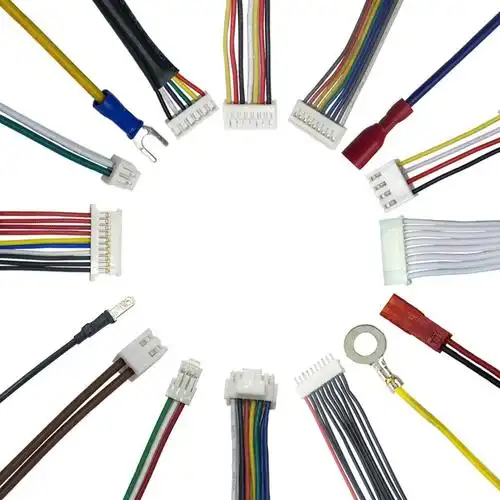
Industrial Cable Assembly Product Summary Material & Safety Utilizes premium raw materials and globally recognized components (e.g., ABB, TE Connectivity) ensuring high reliability and safety to prevent risks like fire and e.
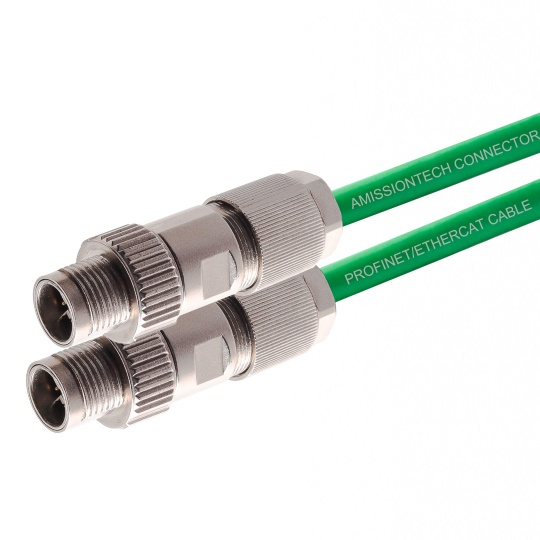
Industrial cable components are the backbone of reliable and efficient connectivity in industrial automation, robotics, and machinery. Engineered to withstand harsh environments while ensuring seamless data transmission and power delivery.
Feel free to reach out to us for any inquiries or orders.