The foundational cables powering our telecommunications and broadband networks – particularly legacy copper-based systems – are reaching or surpassing their intended design life across vast regions. This aging infrastructure presents significant challenges to reliability, capacity, security, and economic competitiveness, demanding urgent investment in upgrades.
The Core Problem: Outdated Components Struggle to Meet Demand
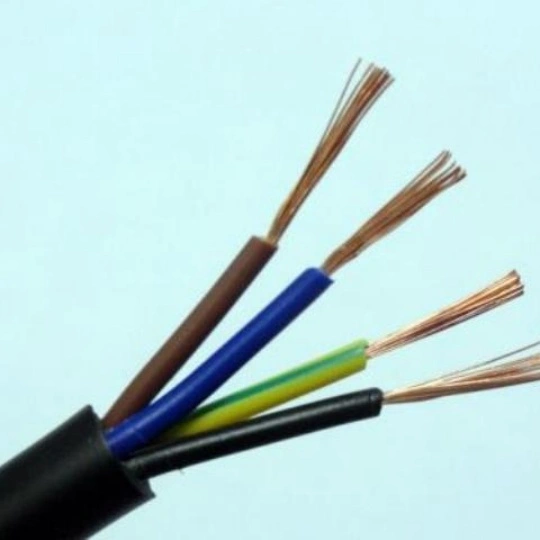
Material Degradation: Copper cables, the backbone of older networks, are susceptible to decades of environmental stress – moisture ingress, corrosion, soil movement, and thermal cycling. This leads to signal degradation, increased electrical resistance, and frequent faults.
Bandwidth Limitations: Legacy copper infrastructure, primarily designed for voice calls, cannot efficiently handle the enormous data volumes of modern applications like HD video streaming, cloud computing, video conferencing, remote work/learning, and the burgeoning Internet of Things (IoT). Physical limitations dictate maximum possible speeds far below modern needs.
Increased Failure Rate: As cables age, the likelihood of failures rises dramatically. Faults become harder and more time-consuming to locate and repair within older, often poorly documented network segments. This results in longer service outages for consumers and businesses.
Energy Inefficiency: Maintaining signals over long copper runs requires significantly more electrical power than modern alternatives, contributing to higher operational costs and a larger carbon footprint for network operators.
Vulnerability: Older cables and associated infrastructure may be housed in outdated enclosures or follow paths that are more susceptible to damage from construction, extreme weather, or even accidental cuts.
The Consequences of Delay
Neglecting upgrades to outdated cable infrastructure has tangible negative impacts:
Service Disruptions: Frequent outages and intermittent service become commonplace, frustrating users and hindering critical communications.
Poor Performance: Slow speeds, high latency (lag), and inconsistent connectivity become the norm, especially during peak usage times or over longer distances from central offices.
Economic Drag: Businesses reliant on stable, high-speed internet face reduced productivity, inability to adopt new technologies, and competitive disadvantages. Areas with poor connectivity struggle to attract investment and new businesses.
Digital Divide Widening: Failure to upgrade infrastructure in underserved or rural areas perpetuates and deepens the digital divide, limiting access to education, healthcare, and economic opportunities for residents.
Redundancy Shortcomings: Older networks often lack the inherent redundancy paths found in modern designs, making them more susceptible to catastrophic failures from single points of damage.
The Path Forward: Modern Technologies Offer Solutions
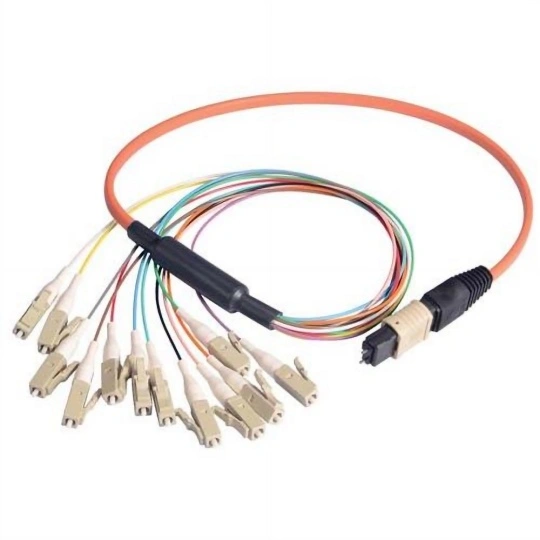
Upgrading aging cable infrastructure primarily involves replacing legacy copper cables with fiber optic technology, alongside updating associated hardware and support systems. Key advantages include:
Vastly Superior Bandwidth: Fiber cables transmit data as light pulses, enabling exponentially higher speeds (multi-gigabit and beyond) and vastly greater capacity than copper, future-proofing networks for decades.
Longer Distances, Less Degradation: Light signals in fiber travel much farther without significant signal loss, reducing the need for intermediary signal boosters and enabling better service in remote areas.
Enhanced Reliability & Durability: Fiber optic cables are immune to electromagnetic interference (EMI) and significantly more resistant to environmental damage like moisture and corrosion. They have a much longer projected lifespan.
Reduced Latency: Fiber delivers lower latency, crucial for real-time applications like online gaming, video conferencing, financial transactions, and emerging technologies like autonomous vehicles.
Operational Efficiency: Fiber networks require less power to operate and maintain over their lifespan compared to extensive copper networks, lowering ongoing costs.
A Critical National Undertaking
Addressing the challenge of aging cable infrastructure is not merely a technical upgrade; it’s an economic and social imperative. Investment in modern fiber optic networks directly translates to:
Foundation for Innovation: Enabling the adoption of advanced technologies like 5G densification, smart cities, telemedicine, and immersive digital experiences.
Economic Resilience: Empowering businesses of all sizes, fostering entrepreneurship, and attracting high-tech industries to communities nationwide.
Competitive Edge: Ensuring nations and regions remain competitive in the global digital economy.
Societal Equity: Providing universal access to essential high-speed internet services, narrowing the digital divide.
Sustained commitment and significant funding from both public and private sectors are essential to systematically replace outdated cables and build the robust, future-proof digital infrastructure modern life demands. The cost of inaction is far greater than the investment required.
Industrial cables are critical components in machinery, infrastructure, and electrical systems, and their performance directly impacts operational safety and efficiency. Proper storage is essential to prevent degradation, which can comp...
High-speed interconnects inside modern laptops, docks, and expansion devices increasingly rely on micro coaxial cable assemblies to carry USB4’s multi‑protocol, high‑bandwidth signals with stability and repeatability. This article expla...
In the relentless rhythm of industrial operations, connectors are the vital, often overlooked, lifelines that power machinery, transmit critical data, and enable seamless control. But these unassuming components have a finite lifespan, ...
In the complex web of industrial operations, industrial cables serve as the lifeline, ensuring the smooth transmission of power and signals. For enterprises, when selecting between standard and premium industrial cables, understanding t...
In the complex and interconnected world of modern industry, industrial cables serve as the lifelines that transmit power, data, and signals across various sectors—from energy generation and manufacturing to transportation and telecommun...
In the dynamic landscape of modern industrial operations, high-flex applications—such as robotic arms, automated conveyor systems, CNC machines, and packaging equipment—demand components that can withstand constant motion, mechanical st...
Industrial cables are the unsung backbone of modern military operations, functioning as both “information transmitters” and “energy conveyors.” Unlike civilian industrial cables, military-grade industrial cables ...
Telecommunications networks are the lifeline of the modern digital world—enabling everything from daily video calls and cloud computing to critical services like remote healthcare and smart city operations. At the core of these reliable...
In high-performance automation, CE certified industrial cable assembliesare not just a compliance checkbox. They are a foundational element for ensuring safety, uptime, and seamless market access for your robots and automated guided veh...
Choosing reliable industrial cable assemblies is critical for safety, performance, and compliance. Here’s a clear guide to essential certifications, ensuring your cables meet stringent industry standards:
UL / cUL (Underwriters Lab...
Medical device cable assemblies are critical components in healthcare settings, connecting vital equipment such as patient monitors, imaging systems, ventilators, and surgical tools. These cables must maintain flawless performance to en...
Meta Description: Discover how high-voltage cables power critical oil and gas projects worldwide. Learn about their applications in offshore drilling, subsea operations, LNG plants, and more.
URL Slug: oil-gas-projects-high...
IntroductionProper grounding is critical for the safety and performance of cable assemblies in electrical and communication systems. However, grounding errors are surprisingly common and can lead to equipment damage, data loss, or even ...
In industries ranging from automotive to telecommunications, standardized cable assemblies have become a cornerstone for balancing performance, scalability, and cost efficiency. By minimizing custom designs and consolidating specificati...
Determining the maximum safe operating temperature for high-temperature silicone insulated cables is critical for ensuring electrical safety and long-term reliability in demanding applications. This involves rigorous standardized testin...
In daily life and industrial operations, cables and cords are essential for power transmission, but industrial cables and extension cords are often confused. However, their design purposes, performance indicators, and application scenar...
In the fast-paced and high-stakes world of industrial electrical work, industrial cable training is not just an option—it’s a necessity. Electricians tasked with installing, maintaining, and troubleshooting complex cable syste...
Industrial cable assembly testing service is a professional quality verification process designed to ensure the electrical, mechanical, and environmental reliability of cable assemblies used in demanding industrial applications. It invo...
When it comes to purchasing an industrial cable, making the right choice is crucial for ensuring safety, efficiency, and longevity in your operations. Industrial cables are designed to withstand harsh environments, handle heavy electric...
The aerospace industry is a high – precision and high – risk field, where the reliability and safety of every component are crucial. Industrial cables, as the “nervous system” that transmits power and signals in ...
As climate change accelerates, outdoor cables face unprecedented challenges from extreme weather conditions. From scorching heatwaves to bone-chilling freezes, these environmental stressors can significantly impact cable performance and...
Imagine a state-of-the-art automotive assembly line grinding to a halt. Not because a robot arm malfunctioned, but due to a single, seemingly insignificant cable failure transmitting sensor data. This scenario underscores a fundamental ...
The advent of 5G has ushered in an era of ultra-reliable, low-latency communication, demanding a new class of industrial cable assemblies. These assemblies are no longer simple wires; they are complex systems where precision, consistenc...
IntroductionAs the global push for clean energy intensifies, hydrogen projects are emerging as a cornerstone of decarbonization strategies. However, these initiatives face a critical challenge: ensuring their infrastructure aligns with ...
The global cable market is set to experience robust expansion, with projections indicating a 12% compound annual growth rate (CAGR) through 2026. This surge is driven by rising infrastructure investments, advancements in telecommu...
The Internet of Things (IoT) is no longer a futuristic concept—it’s reshaping industries, homes, and cities. From smart thermostats to industrial sensors, billions of IoT devices are now online. But as the IoT ecosystem grows, so does t...
When it comes to electrical cables, understanding the differences between industrial and marine cables is crucial for selecting the right option for specific applications. While both serve the purpose of transmitting electricity, their ...
Understanding Industrial Cable Model Naming ConventionsIndustrial cable models follow standardized codes indicating their construction, materials, and capabilities. Key elements include:
Conductor type: CU (copper), AL (aluminum...
IntroductionThe rapid evolution of nanotechnology has opened groundbreaking opportunities across industries, and the cable assembly sector is no exception. As demand grows for faster, safer, and more durable electrical systems, nanomate...
In the complex network of modern power systems, cable assemblies serve as the vital arteries that facilitate the reliable transfer of electrical energy from generation sources to end-users. Unlike standard individual cables, cable assem...
In today’s interconnected industrial landscape, electromagnetic interference (EMI) poses a significant threat to the reliability and performance of cable assemblies. From factory automation to power distribution systems, EMI can disrupt...
In large-scale infrastructure projects—particularly in transportation, tunnel systems, and railway applications—the integrity of electrical infrastructure is non-negotiable. Snake Trayspecializes in delivering robust industrial cable as...
Meta Description: Discover the best materials for cable assemblies in high-temperature environments. Learn about heat-resistant polymers, insulation options, and practical tips for durability and safety.
High-temperature env...
The cable manufacturing industry is undergoing a sustainable transformation as solar-powered plants emerge as pioneers in eco-friendly production. By integrating renewable energy into operations, these facilities significantly reduce ca...
High-voltage cable assemblies are critical components in industries like energy transmission, renewable energy, manufacturing, and infrastructure. Ensuring these cables meet stringent technical requirements is essential for safety, effi...
Sensor cable assemblies are critical components that connect sensors to data acquisition systems, control units, or other electronic devices. Their performance directly impacts the accuracy, reliability, and longevity of the entire sens...
In the complex ecosystem of industrial machinery, every component plays a pivotal role in ensuring seamless operation, and industrial cables stand out as the unsung heroes. These cables are not mere conductors of electricity or data; th...
In the automotive and industrial sectors, cable assemblies are the lifelines of electrical systems, transmitting power and signals critical to vehicle and machinery operation. However, harsh environments—extreme temperatures, vibrations...
Heavy machinery cable assemblies are robust, high-performance connectivity solutions engineered to meet the demanding requirements of industrial and heavy-duty applications. Designed for durability, reliability, and optimal performance in.
Meta Description: Discover the ultimate Protective Cable Kit designed to safeguard your cables from wear, tangles, and damage. Perfect for home, office, and industrial use. Shop now for long-lasting cable management!
Protecti.
Contact Us
Feel free to reach out to us for any inquiries or orders.