Industrial Cable Assemblies-Industrial Cable Assemblies factory
As 5G-enabled industrial automation pushes factories toward higher speeds, more sensors, and harsher operating conditions, the reliability of every physical connection is under unprecedented pressure. Chemical resistant industrial cable assembliesare no longer a niche product—they are a foundational element for ensuring uptime, data integrity, and safety in smart manufacturing environments.
This article explores why chemical resistance is critical in Industry 4.0, how 5G’s demands reshape cable requirements, and what to consider when specifying chemical resistant industrial cable assemblies for your next automation or robotics project.
Modern industrial environments are far more chemically aggressive than in the past. Cables are routinely exposed to:
In a 5G-enabled smart factory, these cables are also expected to handle high-speed data for real-time control and analytics. A jacket that degrades or swells from chemical exposure can lead to:
Therefore, chemical resistance is not just about material durability—it directly impacts uptime, data reliability, and total cost of ownership.
5G introduces several new dimensions to cable performance:
5G enables real-time monitoring, predictive maintenance, and high-resolution video for quality control. This requires industrial Ethernet cables (e.g., Cat5e/6A, often in M12 or M8 formats) that maintain signal integrity at high frequencies. Chemical resistant jackets must not only survive the environment but also preserve the electrical characteristics of the cable, such as low attenuation and stable impedance .
A single 5G-connected production cell can have hundreds of sensors and actuators. This means more cable assemblies in confined spaces, often near moving machinery and chemical sources. Chemical resistant assemblies ensure that connectors and cables remain reliable despite repeated exposure to cleaning agents or coolants .
5G edge devices may be installed in washdown areas, on mobile robots, or outdoors. Cables must combine chemical resistance with other properties like:
When selecting cables, engineers should evaluate the following parameters in the context of chemical exposure:
Common materials include:
For 5G automation, PUR and high-performance TPE/TPU jacketsare often preferred due to their balance of chemical resistance, flexibility, and signal integrity .
Always check the manufacturer’s chemical resistance chart for the specific fluid or chemical. Key media to consider include:
For example, some PVC-based cables are tested for resistance to hydraulic oils (HD 21.1.S3), while others use special polyurethane blends for broader chemical compatibility .
Chemical exposure can accelerate material aging. Ensure the cable’s operating temperature range matches your environment. For instance:
In dynamic applications, cables must withstand millions of flex cycles in energy chains or robotic joints. Chemical resistant cables should also be high-flexrated, with features like stranded conductors, flexible insulation, and torsion-resistant designs .
For 5G and industrial Ethernet, shielding is critical. Look for cables with:
For washdown or outdoor environments, IP65/IP67/IP68 or NEMA 4X ratings ensure that water, dust, and chemicals cannot penetrate the connector or cable end .
Robotic arms and AGVs require cables that are:
Chemical resistant industrial cable assemblies with PUR jackets and robust shielding are widely used here .
5G enables distributed control and real-time analytics over Industrial Ethernet (PROFINET, EtherCAT, EtherNet/IP). Cables must:
Sensors in food & beverage, pharmaceuticals, or chemical plants are exposed to aggressive cleaning protocols. Chemical resistant sensor cable assemblies with M8/M12 connectors ensure reliable connections in these harsh environments .
AGVs, autonomous robots, and outdoor 5G base stations require cables that are:
List all chemicals the cable will encounter, including concentrations and temperatures. Share this with your cable supplier to get accurate compatibility data.
For Industrial Ethernet or high-speed I/O, use cables with combination shielding (foil + braid) and low-capacitance insulation to ensure signal integrity .
Many suppliers offer custom cable assemblies tailored to your exact needs, including:
Whenever possible, test the cable assemblies in your actual environment. Many suppliers offer samples for evaluation, including flex testing, chemical immersion, and EMI performance .
Future cables may include embedded sensors to monitor temperature, strain, or chemical exposure in real time, enabling predictive maintenance .
New polymer blends and nano-coatings are being developed to provide broader chemical resistance while maintaining flexibility and signal integrity .
There is growing demand for halogen-free, recyclable materials that meet both chemical resistance and environmental standards .
In 5G-enabled industrial automation, chemical resistant industrial cable assembliesare a critical enabler of reliability, performance, and safety. By understanding the specific demands of your application—chemical exposure, mechanical stress, data rate, and environmental conditions—you can select cables that not only survive but thrive in the harshest factory environments.
Whether you’re designing a robotic workcell, an AGV fleet, or a smart sensor network, investing in high-quality chemical resistant cable assemblies will pay off in reduced downtime, lower maintenance costs, and better overall system performance.
Our factory offers high-quality products at competitive prices
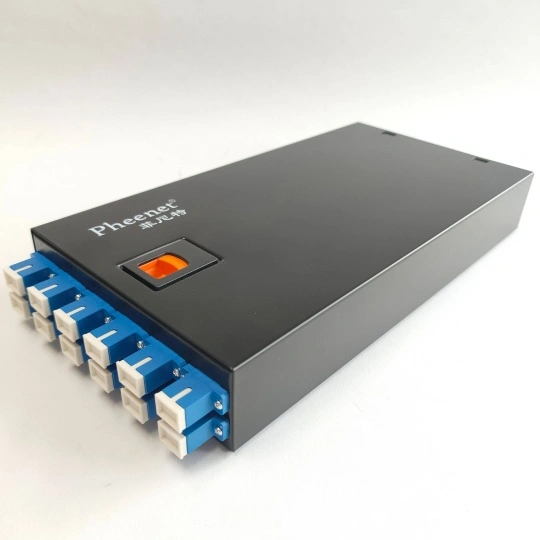
Product OverviewQuick-Install Cable Adapters are the game-changing connectivity solution designed for professionals and DIY enthusiasts alike. Engineered to eliminate installation hassles, these adapters provide instant, tool-free conne.
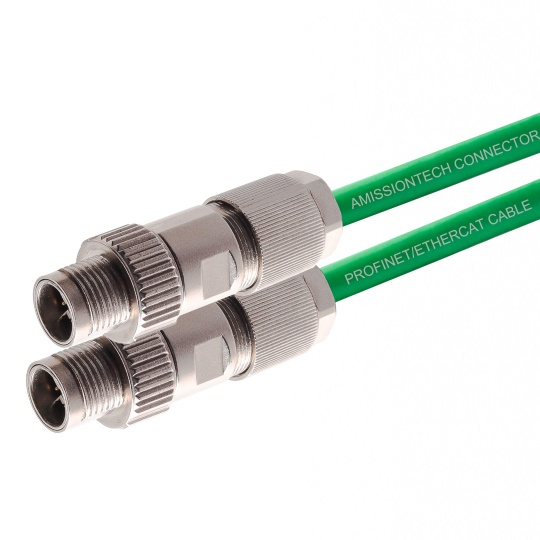
Industrial cable components are the backbone of reliable and efficient connectivity in industrial automation, robotics, and machinery. Engineered to withstand harsh environments while ensuring seamless data transmission and power delivery.
Feel free to reach out to us for any inquiries or orders.