Selecting the right industrial cable assembly is critical for ensuring reliability, safety, and performance in demanding environments. Whether you’re working in automation, robotics, energy, or heavy machinery, here’s a structured approach to identify the best solution for your needs.
1. Define Environmental Conditions
Industrial applications often expose cables to extreme conditions. Evaluate the following:
Temperature Range: Ensure the cable materials (insulation, jacketing) can withstand high heat (e.g., engine compartments) or sub-zero cold (e.g., refrigeration systems).
Chemical Exposure: Resistance to oils, solvents, acids, or alkalis is essential for environments like chemical plants.
Moisture and Water: Submersion or outdoor use requires IP-rated or waterproof cables with sealed connectors.
UV Resistance: For outdoor or solar applications, UV-stable materials prevent degradation.
Mechanical Stress: Flexing, torsion, or abrasion demands cables with robust jackets (e.g., PUR, TPE) and strain relief.
2. Assess Electrical Requirements
Match the cable’s electrical properties to your system’s demands:
Voltage and Current Ratings: Verify the assembly handles peak and continuous loads without overheating.
Signal Integrity: For data or control signals, prioritize low capacitance, impedance stability, and shielding (foil vs. braided) to reduce EMI/RFI interference.
Conductor Size: Larger gauges minimize voltage drop in high-current applications like power distribution.
3. Evaluate Durability and Lifespan
Industrial cables must endure long-term wear:
Flex Life: High-flex applications (e.g., robotic arms) require cables rated for millions of bend cycles.
Material Quality: Thermoplastic vs. thermoset jackets impact flexibility and resistance to cuts or tears.
Abrasion Resistance: Reinforced jackets or additional sleeving protect against friction in cable carriers or moving machinery.
4. Verify Compliance and Certifications
Ensure the assembly meets industry standards for safety and performance:
UL/CSA Certification: Mandatory for electrical safety in North America.
CE/RoHS Compliance: Required for European markets to confirm environmental and safety standards.
Industry-Specific Standards: Examples include MIL-SPEC for defense or ATEX/IECEx for hazardous areas.
5. Consider Customization Options
Off-the-shelf solutions may not fit unique requirements. Explore:
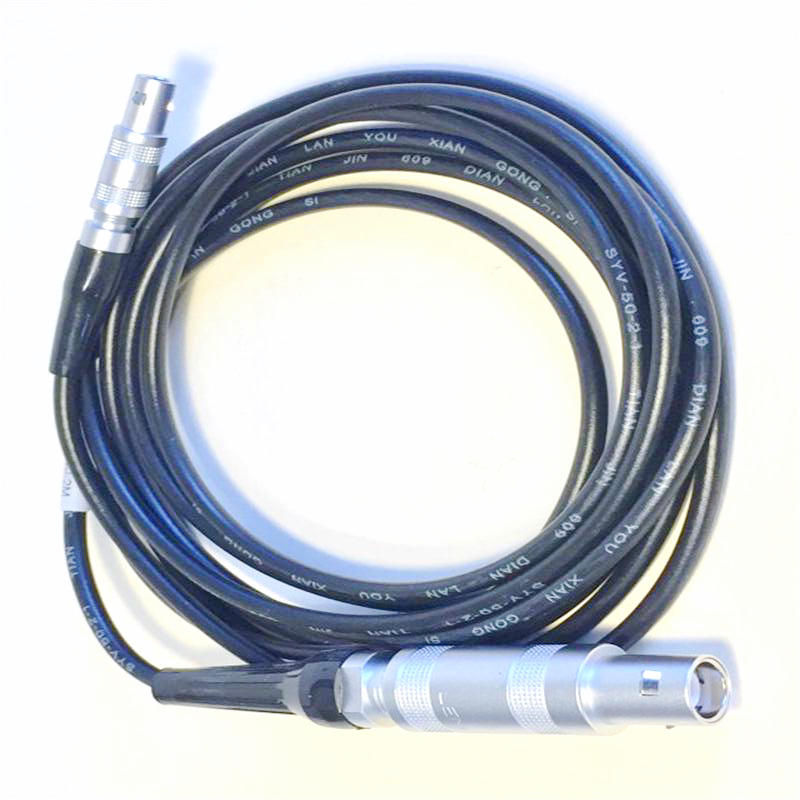
Connector Types: Match mating interfaces (e.g., M12, RJ45, circular connectors) to existing equipment.
Length and Routing: Custom lengths reduce clutter, while pre-molded bends simplify installation.
Color Coding: Simplify maintenance with color-coded wires or jackets.
6. Partner with a Reputable Supplier
A reliable manufacturer or distributor ensures quality and support:
In the modern world of connectivity and infrastructure, cables are the unsung heroes that keep our industries, businesses, and daily lives running smoothly. However, not all cables are created equal. Two types that often cause confusion...
Industrial cables are the “nervous system” of industrial facilities, powering machinery, transmitting control signals, and enabling data exchange in environments ranging from manufacturing plants to oil refineries. Unlike re...
Robotics are transforming industries, from intricate assembly lines to demanding logistics centers. But what keeps these agile machines running smoothly? Often overlooked yet critical, high-flex industrial cable assemblies are the...
Industrial cables are the lifelines of modern industrial systems, responsible for transmitting power, signals, and data in a wide range of harsh and demanding environments. From manufacturing plants and power stations to oil refineries ...
IntroductionIndustrial cable assemblies must meet specific fire safety standards to prevent flame propagation, reduce smoke emission, and limit toxic gas generation. International standards define precise testing methodologies and class...
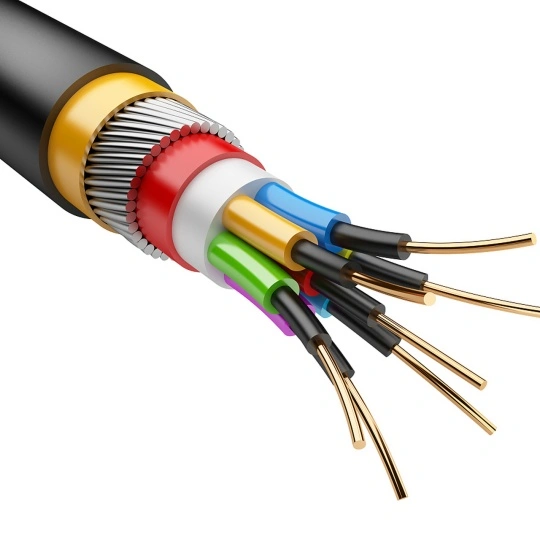
An industrial cable assembly typically consists of the following parts:
1. Conductor (Core)Function: Transmits electrical current or signals.Materials: High-conductivity metals like copper or aluminum; optical fibers for signal...
The push towards renewable energy – harnessing wind, sun, water, and geothermal power – is reshaping our world. But behind the impressive turbines and vast solar arrays lies a critical, often overlooked component: custom industrial cab...
Lead time for custom industrial cable assemblies is a critical factor influencing project schedules and operational continuity. Unlike off-the-shelf solutions, these complex components are built to precise specifications, requiring coor...
In the complex ecosystem of industrial manufacturing, cables serve as the vital nervous system, transmitting power and data across machinery, equipment, and production lines. However, harsh industrial environments—characterized by extre...
Industrial cable assemblies are the core connectivity component of all modern industrial automation, mechanical equipment, and industrial control systems, undertaking stable power supply and accurate data transmission for industrial ope...
Wind energy is a cornerstone of the global transition to renewable power, and wind farms—both onshore and offshore—are critical to meeting clean energy targets. However, the harsh environments in which wind turbines operate, particularl...
Ensuring your industrial cable assemblies comply with the Restriction of Hazardous Substances (RoHS) directives is crucial for market access (especially in the EU, UK, China, and others) and demonstrating environmental responsibility. N...
Water and humidity damage cables in multiple ways:
Conductor Corrosion: Moisture oxidizes copper, increasing resistance and causing overheating.Insulation Breakdown: Water treeing in polymers (e.g., XLPE) creates conductive paths...
Introduction
Industrial cable assemblies are critical components in manufacturing plants, power generation facilities, and automation systems. Proper installation and maintenance directly impact operational efficiency, safety, and eq...
In the rapidly evolving landscape of industrial automation, the demand for reliable, efficient, and space-saving components has never been higher. Industrial cable assemblies serve as the “nervous system” of automated system...
Industrial cable assemblies are vital lifelines in manufacturing, powering machinery and enabling communication. Dusty environments pose a significant threat, leading to connector damage, short circuits, insulation degradation, and equi...
In our daily life and industrial production, cables are essential for transmitting electricity, signals, or data. But not all cables are the same. Two common types are industrial cables and regular cables, each designed for specific pur...
Cable safety standards are critical regulations ensuring the reliable and safe operation of electrical systems. These standards govern the design, manufacturing, installation, and maintenance of cables to prevent hazards like electrical...
In today’s industrial landscape—where automation, 5G communication, medical imaging, and aerospace electronics are rapidly advancing—high-frequency industrial cables serve as the “nervous system” of critical operations. Thes...
IntroductionWind energy is a cornerstone of global renewable energy systems, with wind turbines operating in diverse environmental conditions. Among critical components, cables used in wind power systems—connecting turbines, transformer...
Introduction
The shipping industry faces growing pressure to reduce waste, and cable shipments are no exception. Traditional packaging methods often rely on plastic wraps, foam fillers, and non-recyclable materials that harm the envi...
In industries where failure is not an option, High Voltage Industrial Cable Assemblies with Wide Temperature Range for Extreme Scenariosare the critical links that keep power and signals flowing. These assemblies are purpose-built to op...
IntroductionAs global industries face mounting pressure to reduce carbon footprints, the cable manufacturing sector is undergoing a transformative shift. The rise of carbon-neutral cable factories marks a critical milestone in sustainab...
Cable systems are the vital circulatory network delivering power and data that keeps our modern world running. Yet, they operate largely out of sight and, too often, out of mind – until disaster strikes. A single cable failure can cripp...
In the world of industrial automation, robotics, and heavy machinery, the cable assembly is far more than just a bundle of wires. It is the central nervous system of your equipment, responsible for transmitting power, control signals, a...
The shift to new energy vehicle (NEV) industrial cable assembliesis being defined by one critical factor: the rise of liquid-cooled technologyfor fast charging. As the industry moves toward 800V architectures and megawatt-level charging...
The global cable market is set to experience robust expansion, with projections indicating a 12% compound annual growth rate (CAGR) through 2026. This surge is driven by rising infrastructure investments, advancements in telecommu...
Wind power systems operate in some of the planet’s most challenging environments—offshore platforms, deserts, mountainous regions, and icy tundras. These conditions demand robust infrastructure, and cable assemblies are no exception. As...
In the ever-evolving landscape of modern technology, the demand for smaller, more efficient, and high-performance components has never been greater. This is particularly true in applications where space is at a premium, such as in aeros...
Selecting the correct insulation for high-temperature industrial cable assemblies is critical for safety, reliability, and longevity. A wrong choice can lead to premature failure, downtime, and even hazardous situations. This guide prov...
In the complex and demanding landscape of industrial operations, every component plays a critical role in ensuring seamless functionality, safety, and efficiency. Among these essential components, industrial cable connectors stand out a...
Selecting the right jacket material for industrial cable assemblies is critical. It directly impacts performance, longevity, and safety in demanding environments. PVC (Polyvinyl Chloride) and TPE (Thermoplastic Elastomer) are two leadin...
In the era of Industry 4.0, industrial Ethernet cables serve as the lifeline of automated production lines, smart factories, and critical infrastructure. Unlike commercial Ethernet cables designed for office environments, industrial-gra...
If you’re sourcing, manufacturing, or using cable assemblies in China, understanding the country’s regulatory and quality standards is crucial. This guide breaks down the key requirements for domestic cable assemblies in China, helping...
IntroductionIn a landmark move to enhance fire safety across industries, international regulatory bodies have introduced updated Global Fire-Resistant Cable Standards. These standards aim to minimize fire risks, improve electrical safe...
Industrial cables are the lifelines of manufacturing plants, refineries, and chemical processing facilities, transmitting power and data to keep operations running smoothly. However, chemical spills pose a severe threat to these cables—...
The automotive manufacturing industry relies heavily on precision, reliability, and safety. At the heart of these requirements are cable assemblies, which serve as the nervous system of vehicles, connecting critical components like sen...
In the complex and interconnected world of industrial systems, the reliable transmission of signals is the lifeblood of operations. From manufacturing plants and power stations to telecommunications networks and transportation systems, ...
The cable industry is experiencing a seismic shift as eco-conscious consumers increasingly prioritize sustainability. Brands that have adopted green certifications, such as Energy Star, RoHS, or TCO Certified, are reporting significant ...
Meta Description: Discover high-performance industrial control cable module components designed for seamless automation, harsh environments, and superior connectivity. Explore specs, certifications, and applications.
H2: Industrial Con.
In today’s technology-driven world, maintaining uninterrupted signal integrity is critical for industrial, commercial, and residential applications. The Shielded Cable Core is engineered to deliver superior electromagnetic interference .
Contact Us
Feel free to reach out to us for any inquiries or orders.