Industrial Cable Assemblies-Industrial Cable Assemblies factory
Automotive Manufacturing Cables: How to Choose High-Reliability Assemblies | [Your Brand]
Meta Description: Discover a step-by-step guide to selecting robust cable assemblies for automotive manufacturing. Ensure durability, EMI resistance, and compliance with industry standards.
Introduction
In automotive manufacturing workshops, cable assemblies face extreme conditions—welding sparks, oil exposure, robotic arm vibrations, and electromagnetic interference (EMI). Selecting the right high-reliability cables is critical to minimizing downtime, ensuring safety, and maintaining production efficiency. This guide provides a data-driven framework for choosing cable assemblies tailored to automotive assembly lines.
1. Key Challenges in Automotive Manufacturing Environments
Automotive workshops demand cables that withstand:
High Temperatures: Near welding zones (up to 150°C) and paint curing ovens.
Chemical Exposure: Oils, coolants, and cleaning solvents in machining and assembly areas.
Continuous Motion: Robotic arms requiring 10+ million flex cycles.
EMI/RFI Interference: From welding equipment, servo motors, and frequency drives.
2. Cable Assembly Selection Criteria for Automotive Workshops
2.1 Material Selection
Jacket Materials:
PUR (Polyurethane): Oil-resistant, flexible, and ideal for robotic drag chains.
Silicone: Withstands temperatures up to 200°C in welding zones.
TPE (Thermoplastic Elastomer): Balances chemical resistance and cost-effectiveness.
Conductor Shielding:
Double Braided Shield (85% coverage): Protects against EMI in motor-driven areas.
Foil + Drain Wire: For high-frequency noise suppression near RFID systems.
2.2 Connector and Termination Standards
Connector Types:
M12/M23 Connectors: IP67/IP69K-rated for waterproofing in washdown areas.
Hybrid Connectors: Combine power, signal, and data (e.g., Ethernet + 24V DC).
Termination Methods:
Crimp-Style Contacts: Vibration-resistant for engine assembly lines.
Molded Connectors: Prevent moisture ingress in battery electric vehicle (BEV) production.
2.3 Flexibility and Bend Radius
Robotic Cables:
Torsion-Resistant Design: For 360° rotational movement in robotic arms.
Minimum Bend Radius: ≤7.5x cable diameter to prevent conductor fatigue.
Cable Carriers:
Energy Chains: Use IGUS E4.1R series for 10 million+ flex cycles.
3. Compliance and Certification Requirements
Automotive Standards:
LV214: For high-voltage cables in electric vehicles.
ISO 6722: Temperature and fluid resistance for road vehicles.
UL 758: Appliance Wiring Material (AWM) certification.
Safety Ratings:
Flame Resistance: UL 1685 (Vertical Tray Flame Test) for paint shops.
Halogen-Free: IEC 60754-1 compliance for low smoke emission.
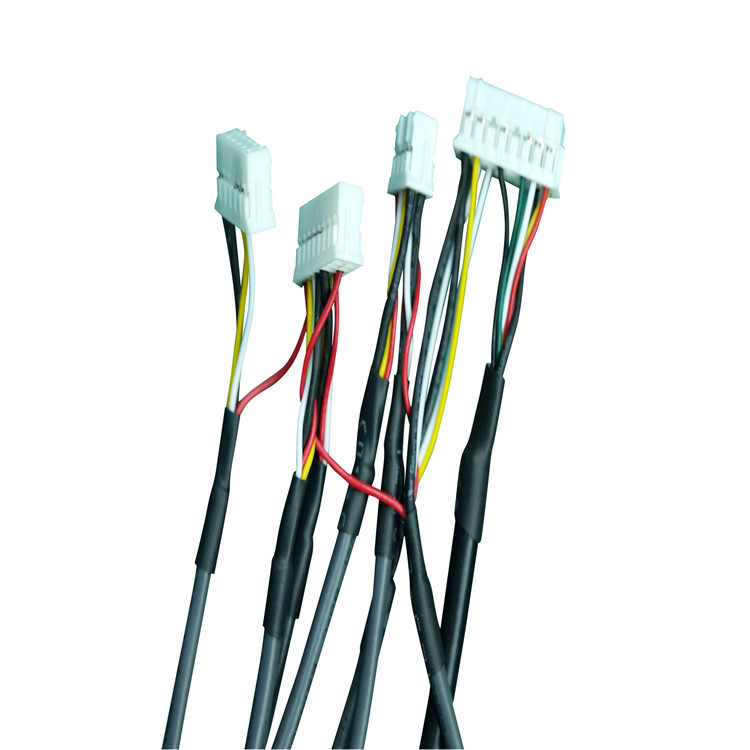
Replacing PVC cables with silicone-jacketed, LV214-compliant assemblies for battery packs.
Implementing shielded M23 hybrid connectors to unify power and CAN bus signals.
Adopting torsion-resistant robotic cables with 15 million flex cycles in chassis assembly robots.
6. Future Trends in Automotive Cable Technology
Smart Cables: Integrated sensors for real-time health monitoring.
Lightweight Materials: Aluminum alloy conductors to reduce vehicle weight.
High-Speed Data Cables: 25G+ Ethernet for connected autonomous vehicles (CAVs).
Our factory offers high-quality products at competitive prices
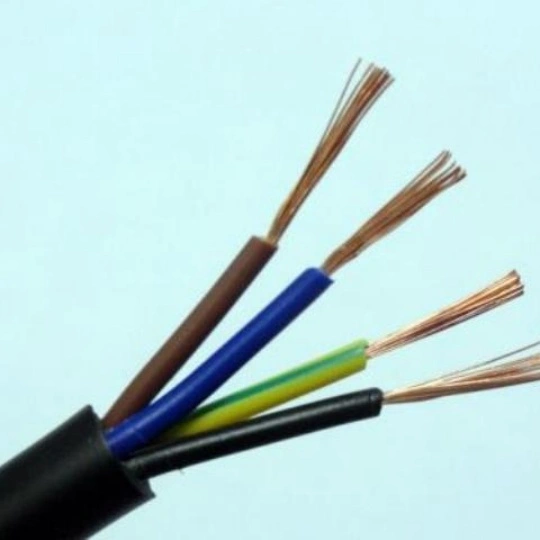
Meta Description: Discover the ultimate Protective Cable Kit designed to safeguard your cables from wear, tangles, and damage. Perfect for home, office, and industrial use. Shop now for long-lasting cable management! Protecti.
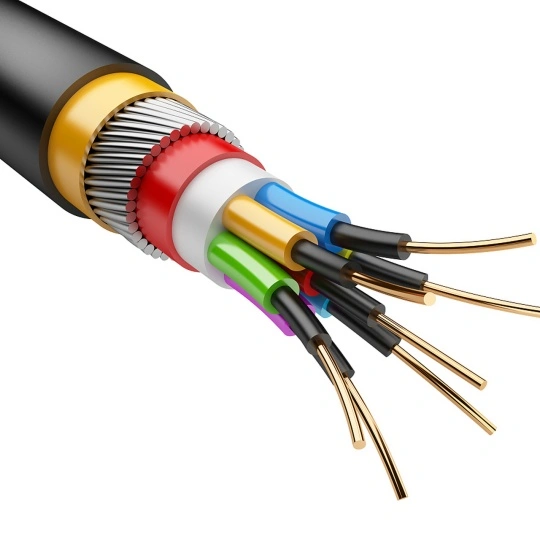
In today’s technology-driven world, maintaining uninterrupted signal integrity is critical for industrial, commercial, and residential applications. The Shielded Cable Core is engineered to deliver superior electromagnetic interference .
Feel free to reach out to us for any inquiries or orders.