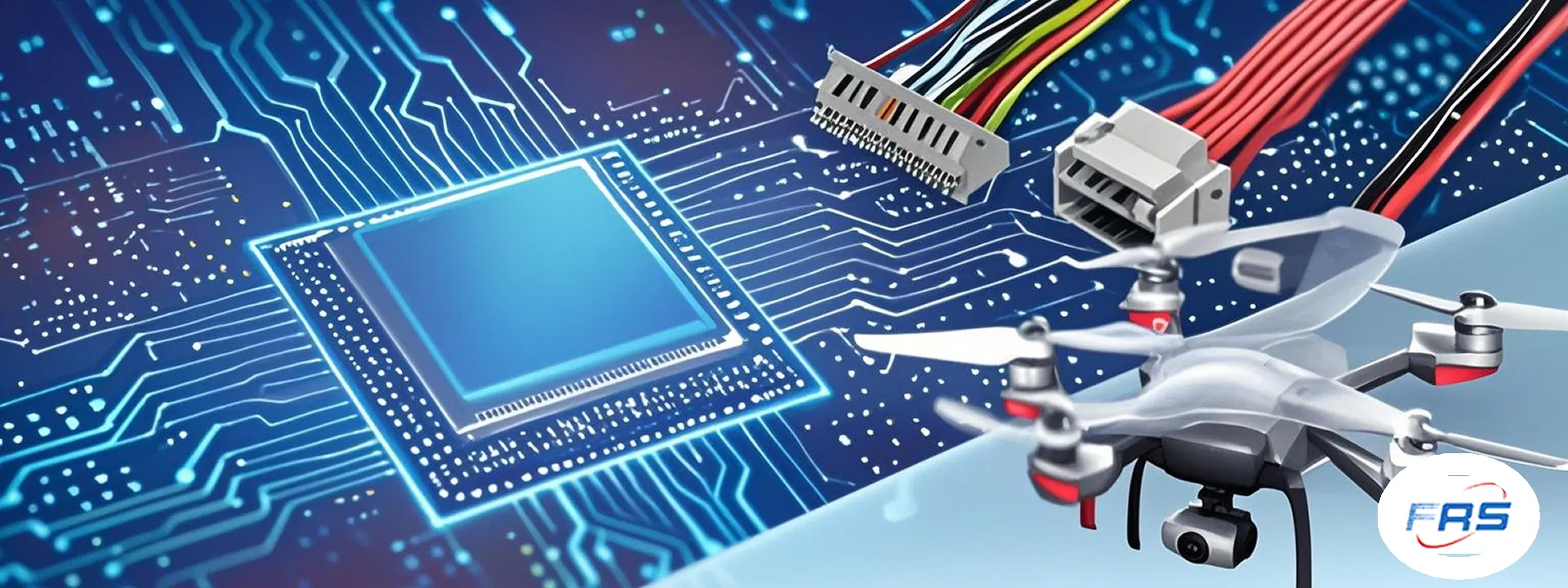
Industrial Cable Assemblies-Industrial Cable Assemblies factory
In the era of Industry 4.0, smart factories have become the core driving force of global manufacturing transformation. These high-tech production environments rely on seamless connectivity between automated equipment, IoT sensors, data acquisition systems, and cloud platforms to achieve intelligent scheduling, real-time monitoring, and efficient production. At the heart of this interconnected ecosystem lies a critical component that is often overlooked but indispensable: industrial cable assemblies. As smart factories continue to evolve with unique layouts, specialized equipment, and distinct operational requirements, a common question arises among plant managers, engineers, and procurement professionals: Can industrial cable assemblies be customized for specific smart factory applications? The short answer is yes—and in many cases, customization is not just a possibility but a necessity to unlock the full potential of a smart factory’s infrastructure.
To understand why customization is vital for smart factory cable assemblies, it’s first essential to recognize the inherent diversity of smart factory environments. Unlike traditional manufacturing facilities, which may rely on standardized production lines, smart factories are tailored to specific industries, production processes, and business goals. A smart automotive assembly plant, for example, requires cable assemblies that can withstand high mechanical stress, extreme temperatures, and exposure to oils and chemicals, while a smart electronics manufacturing facility needs ultra-precise, low-noise cables to support delicate sensor operations and high-speed data transmission. Standard off-the-shelf cable assemblies, designed for general industrial use, often fail to meet these industry-specific demands, leading to performance bottlenecks, increased downtime, and compromised safety.
Custom industrial cable assemblies address these challenges by being engineered to match the exact specifications of a smart factory’s application. This customization encompasses a wide range of parameters, including cable type, conductor material and gauge, insulation and jacketing materials, shielding options, connector types, length, and even specialized labeling for easy identification in complex wiring systems. Let’s delve into each of these customization aspects and how they contribute to optimized smart factory performance.
First, cable type selection is a foundational element of customization. Smart factories rely on various types of cables to support different functions, such as power transmission, data communication, and signal sensing. For instance, Ethernet cables (Cat5e, Cat6, Cat6a) are essential for high-speed data transfer between IoT devices and control systems, while servo cables are designed to handle the dynamic movements of robotic arms and automated guided vehicles (AGVs). Custom cable assemblies allow engineers to select the exact cable type that aligns with the application’s bandwidth, voltage, current, and environmental requirements. For example, in a smart factory with long-distance data transmission needs, fiber optic cables can be integrated into custom assemblies to minimize signal loss and interference, a capability that standard copper cable assemblies cannot match.
Conductor material and gauge are also critical customization parameters. Copper is the most common conductor material due to its excellent electrical conductivity, but in applications where weight reduction is a priority (such as in lightweight AGVs), aluminum conductors may be used. The gauge of the conductor directly impacts the cable’s current-carrying capacity and resistance: larger gauge conductors (smaller numerical values) can handle higher currents, making them ideal for power-hungry equipment like motors and heating systems, while smaller gauge conductors are suitable for low-power sensors and signal transmission. Custom cable assemblies ensure that the conductor is perfectly sized for the application’s power and signal requirements, preventing overheating, voltage drops, and signal degradation—all of which can disrupt smart factory operations.
Insulation and jacketing materials are another key area of customization, especially for smart factories operating in harsh environments. The insulation material (e.g., PVC, polyethylene, Teflon) is responsible for protecting the conductor from short circuits and environmental damage, while the jacketing material provides additional mechanical protection and resistance to external factors like temperature, chemicals, moisture, and abrasion. In a smart factory with high-temperature zones (e.g., near furnaces or heat-treated production lines), custom cable assemblies can use high-temperature-resistant materials like PTFE or silicone to ensure long-term reliability. Similarly, in facilities where cables are exposed to oils, solvents, or corrosive substances (such as in the automotive or chemical industries), chemical-resistant jacketing materials like polyurethane (PU) are used to prevent cable degradation. Standard cables, which typically use general-purpose PVC jacketing, would quickly fail in these harsh conditions, leading to costly replacements and unplanned downtime.
Shielding customization is essential for smart factories that rely on sensitive electronic equipment and high-speed data transmission. Electromagnetic interference (EMI) and radio frequency interference (RFI) are common issues in industrial environments, caused by nearby power lines, motors, and other electrical equipment. These interferences can corrupt data signals, leading to inaccurate sensor readings, delayed control commands, and system malfunctions. Custom cable assemblies can be equipped with various shielding options—such as braided shielding, foil shielding, or a combination of both—to mitigate EMI/RFI. For example, in a smart factory’s control room, where multiple cables are routed in close proximity, double-shielded cables (foil + braid) can be used to ensure pristine signal quality for critical control systems. In contrast, standard unshielded cables would be highly susceptible to interference, compromising the integrity of the smart factory’s data-driven operations.
Connector customization is another vital aspect that directly impacts the usability and reliability of cable assemblies in smart factories. Smart factory equipment uses a wide range of connector types, including M12, M8, D-sub, USB, and Ethernet connectors, each designed for specific applications. Custom cable assemblies can be terminated with the exact connectors required to match the factory’s equipment, eliminating the need for adapters and reducing connection points—both of which are potential sources of signal loss and failure. For example, a robotic arm in a smart factory may require M12 connectors for its servo motors and sensors, as these connectors are compact, rugged, and designed for industrial environments. A custom cable assembly terminated with M12 connectors ensures a secure, reliable connection that can withstand the constant movement of the robotic arm, something that a standard cable with incompatible connectors could not achieve.
Length customization is often overlooked but is crucial for optimizing smart factory layouts. Standard cable assemblies come in fixed lengths, which can lead to excess cable that takes up valuable space, creates tripping hazards, or increases the risk of entanglement with moving equipment. On the other hand, cables that are too short may not reach between equipment, requiring extension cables that introduce additional connection points. Custom cable assemblies are manufactured to the exact length needed for the application, ensuring a clean, efficient installation that minimizes waste and reduces the risk of accidents. This is particularly important in smart factories with compact layouts or complex equipment configurations, where every inch of space matters.
Beyond these technical parameters, custom industrial cable assemblies can also include specialized features tailored to smart factory needs. For example, color-coded jackets or labels can be used to simplify cable identification during installation, maintenance, and troubleshooting—critical in large smart factories with thousands of cables. Additionally, custom assemblies can be designed with strain relief features to prevent cable damage from repeated bending or pulling, a common issue in applications with moving equipment like AGVs or robotic arms. Some custom assemblies even integrate additional components, such as fuses, resistors, or sensors, to enhance functionality and reduce the need for separate wiring.
The process of customizing industrial cable assemblies for smart factory applications typically involves a collaborative effort between the factory’s engineering team and a reputable cable assembly manufacturer. The process begins with a detailed assessment of the application’s requirements, including environmental conditions, performance specifications, equipment compatibility, and installation constraints. The manufacturer then uses this information to design a custom solution, leveraging computer-aided design (CAD) software to create detailed drawings and prototypes. Once the design is approved, the manufacturer produces the cable assemblies using high-quality materials and strict quality control processes to ensure reliability and consistency. Many manufacturers also offer testing services, such as continuity testing, insulation resistance testing, and EMI/RFI testing, to verify that the custom assemblies meet the required specifications.
The benefits of custom industrial cable assemblies for smart factories are far-reaching. First and foremost, they improve performance by ensuring that every component of the cable assembly is optimized for the application’s specific needs. This leads to faster data transmission, more accurate sensor readings, and reliable power delivery, all of which enhance the overall efficiency of the smart factory. Custom assemblies also increase reliability and durability, reducing the frequency of cable failures and unplanned downtime. In a smart factory, where production is highly automated and dependent on continuous connectivity, even a minor cable failure can lead to significant losses—custom assemblies help mitigate this risk by being designed to withstand the unique challenges of the environment.
Cost savings are another key benefit of customization. While custom cable assemblies may have a higher upfront cost than standard off-the-shelf options, they eliminate the need for adapters, extension cables, and frequent replacements. Additionally, the reduced downtime and improved efficiency lead to long-term cost savings that far outweigh the initial investment. Custom assemblies also simplify maintenance and troubleshooting, as color-coded labels and optimized designs make it easier to identify and replace faulty cables, reducing maintenance time and labor costs.
Safety is also enhanced with custom industrial cable assemblies. Smart factories are subject to strict safety regulations, and using cables that are not designed for the application can lead to safety hazards such as electrical fires, short circuits, or electric shock. Custom assemblies are engineered to meet industry safety standards (such as UL, CE, or IEC) and are designed to withstand the specific environmental conditions of the factory, ensuring compliance and protecting workers and equipment.
To illustrate the real-world impact of custom industrial cable assemblies in smart factories, let’s consider a case study. A leading automotive manufacturer recently upgraded its production line to a smart factory, integrating robotic arms, IoT sensors, and real-time data analytics to improve efficiency and quality control. Initially, the manufacturer used standard off-the-shelf cable assemblies for its robotic arms, but soon encountered issues: the cables were not designed to withstand the constant bending and movement of the robots, leading to frequent cable failures and unplanned downtime. Additionally, the standard cables were susceptible to EMI from nearby welding equipment, causing inaccurate sensor readings and quality control issues.
To address these problems, the manufacturer partnered with a cable assembly manufacturer to design custom assemblies. The custom solution included servo cables with high-flexibility conductors and PU jacketing to withstand repeated bending, braided + foil shielding to mitigate EMI, and M12 connectors tailored to the robotic arms’ interfaces. The custom assemblies were also manufactured to the exact length needed, eliminating excess cable and reducing the risk of entanglement. After installing the custom cable assemblies, the manufacturer saw a 60% reduction in cable failures, a 30% improvement in sensor accuracy, and a 15% increase in production efficiency. These results demonstrate how customization can directly impact the performance and profitability of a smart factory.
In conclusion, industrial cable assemblies can indeed be customized for specific smart factory applications—and this customization is essential for maximizing the performance, reliability, and safety of smart factory infrastructure. By tailoring key parameters such as cable type, conductor gauge, insulation material, shielding, connectors, and length to the unique needs of the application, custom cable assemblies address the limitations of standard off-the-shelf options and enable smart factories to operate at their full potential. Whether it’s a high-temperature automotive plant, a precision electronics facility, or a large-scale logistics hub with AGVs, custom industrial cable assemblies provide a tailored solution that supports the diverse and evolving needs of Industry 4.0. For plant managers, engineers, and procurement professionals looking to optimize their smart factory operations, investing in custom cable assemblies is not just a choice—it’s a strategic decision that delivers long-term value.
Our factory offers high-quality products at competitive prices
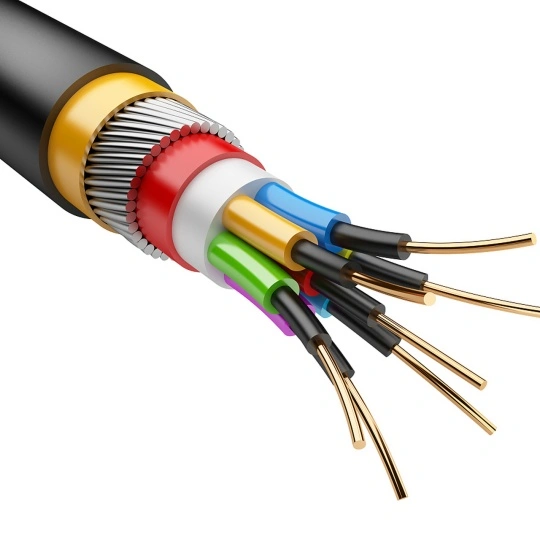
In today’s technology-driven world, maintaining uninterrupted signal integrity is critical for industrial, commercial, and residential applications. The Shielded Cable Core is engineered to deliver superior electromagnetic interference .
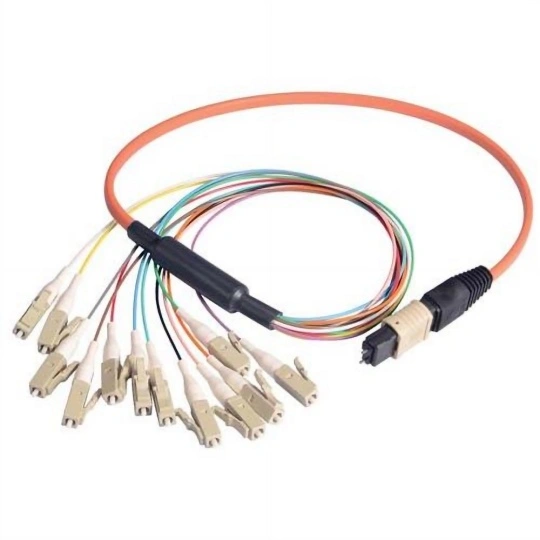
Heavy machinery cable assemblies are robust, high-performance connectivity solutions engineered to meet the demanding requirements of industrial and heavy-duty applications. Designed for durability, reliability, and optimal performance in.
Feel free to reach out to us for any inquiries or orders.