
Industrial Cable Assemblies-Industrial Cable Assemblies factory
Standardized cable assemblies are critical components in industries ranging from automotive manufacturing to consumer electronics. However, rising material costs, labor expenses, and supply chain complexities can erode profitability. To stay competitive, manufacturers and engineers must adopt smart cost-reduction strategies without compromising quality. In this article, we explore practical, proven methods to lower expenses for standardized cable assemblies while maintaining reliability and performance.
Key Focus: Simplify complexity to reduce waste.
A common mistake in cable assembly production is over-engineering designs. By collaborating with engineers early in the design phase, you can:
Example: Automakers like Tesla save up to 15% on wiring costs by standardizing harness designs across vehicle models.
Key Focus: Negotiate volume discounts.
Standardized assemblies often use repetitive components (e.g., connectors, sheathing). Partner with suppliers to:
Data Point: Bulk purchasing can lower material costs by 8–12% annually (Source: Electronics Sourcing Journal).
Key Focus: Reduce labor costs with technology.
Automation is a game-changer for high-volume standardized assemblies:
Case Study: A medical device manufacturer reduced assembly costs by 22% after integrating automated wire-cutting systems.
Key Focus: Prevent costly rework.
Rigorous testing is essential, but inefficient protocols inflate expenses. Streamline with:
Tip: Partner with certified labs to share testing costs for standardized products.
Key Focus: Eliminate waste across the supply chain.
Lean methodologies like 5S and Kaizen can drive savings:
Result: Companies like Foxconn report 10–18% cost reductions after adopting lean practices.
Key Focus: Balance quality and logistics costs.
While offshore production is often cheaper, reshoring or nearshoring can reduce risks:
Trend: Mexico and Eastern Europe are emerging as cost-effective alternatives to Asia for U.S. and EU markets.
Key Focus: Avoid delays and fines.
Non-compliance with regional regulations (e.g., RoHS, REACH) can lead to costly recalls.
Q: Can cost-cutting compromise cable assembly reliability?
A: Not if you prioritize DFM and testing. Focus on eliminating waste, not quality.
Q: How do I calculate ROI for automation tools?
A: Compare upfront costs against labor savings over 3–5 years. Most systems pay for themselves within 18 months.
Q: Are recycled materials viable for medical or military applications?
A: Only if certified by regulatory bodies. Always validate performance first.

Our factory offers high-quality products at competitive prices
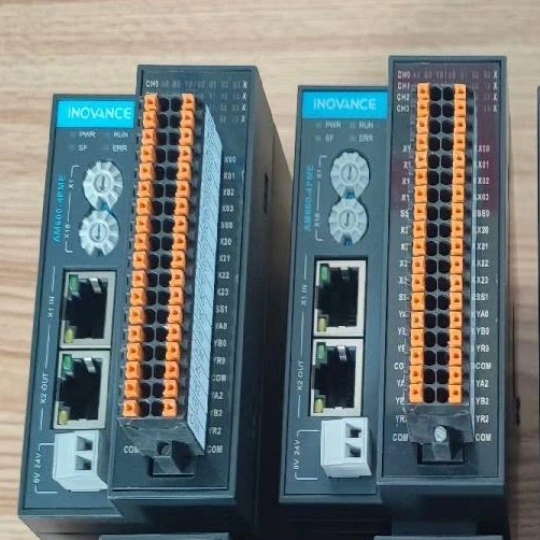
Meta Description: Discover high-performance industrial control cable module components designed for seamless automation, harsh environments, and superior connectivity. Explore specs, certifications, and applications. H2: Industrial Con.
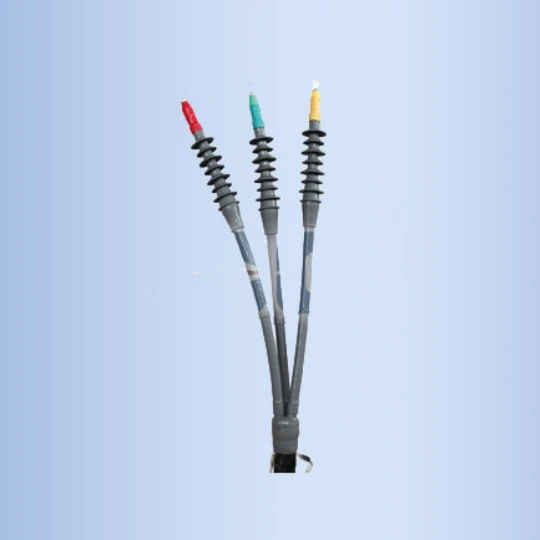
When it comes to electrical systems operating under extreme mechanical and electrical stress, high-load cable terminations are critical components that ensure seamless power transmission, safety, and system longevity. Engineered to .
Feel free to reach out to us for any inquiries or orders.