As cyberattacks grow more sophisticated, organizations are rethinking physical infrastructure security. Shielded cables, once a niche solution for industrial settings, are now surging in demand as businesses prioritize holistic cybersecurity strategies. This article explores why shielded cabling matters, how it works, and what industries benefit most.
Why Shielded Cables Are Now a Cybersecurity Essential
The global shielded cable market is projected to grow at a 6.8% CAGR through 2030 (Grand View Research), driven by:
- Rise in EMI-Based Cyberattacks: Hackers exploit electromagnetic interference (EMI) to intercept data transmitted through unshielded cables. A 2023 IBM study revealed 17% of industrial breaches involved EMI eavesdropping.
- Stricter Data Privacy Laws: Regulations like GDPR and CCPA now require physical layer protection, with shielded cables helping organizations avoid non-compliance penalties.
- IoT Expansion: With 29 billion IoT devices expected by 2030 (Statista), shielded cables prevent cross-talk between connected systems in smart buildings and factories.
How Shielded Cables Enhance Cybersecurity
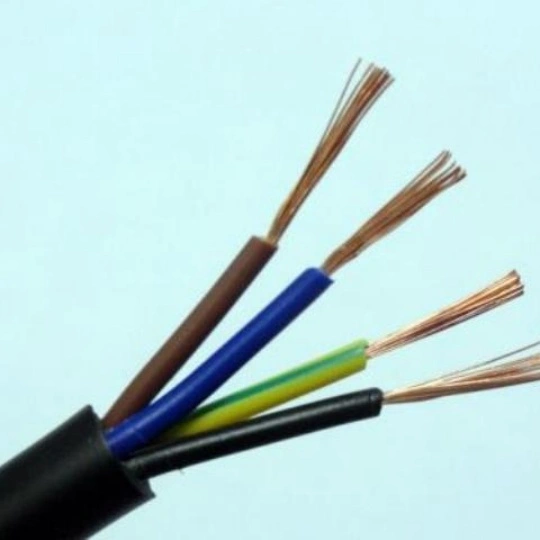
Shielded twisted pair (STP) and foil-shielded cables use conductive materials to block external interference:
- EMI/RFI Shielding: Aluminum/mylar foil or braided copper layers absorb electromagnetic and radio-frequency interference.
- Grounding Protection: Properly installed shields redirect intercepted signals to ground, neutralizing “side-channel” attacks.
- Data Integrity: Hospitals using shielded Cat 6A cables report 40% fewer data errors in patient monitoring systems (HIMSS 2024 report).
![Shielded cable structure diagram showing foil layer and drain wire]
Top Applications Driving Demand
- Industrial Control Systems (ICS): Oil refineries and power plants use shielded cables to protect SCADA networks from sabotage.
- Healthcare IT: MRI machines and wireless infusion pumps require shielding to prevent life-critical data corruption.
- Financial Data Centers: Banks like JPMorgan now mandate shielded cables between servers to block high-frequency snooping tools.
Choosing the Right Shielded Cable: 3 Key Factors
- Shielding Type:
- FTP (Foiled Twisted Pair): Cost-effective for office environments
- S/FTP (Shielded/Foiled): Double-layer protection for industrial EMI
- Compliance Standards: Look for UL 444 or IEC 61156 certifications for cybersecurity-grade performance.
- Termination Quality: Poorly crimped RJ45 connectors can negate shielding benefits; use shielded modular jacks.
Maintenance Best Practices
- Ground All Shields: Un-grounded cables become antennas for hackers. Use continuity testers monthly.
- Avoid Daisy-Chaining: Shield degradation occurs when cables exceed 90-meter runs between switches.
- Inspect for Damage: Frayed outer jackets compromise shielding—replace cables showing >10% sheath wear.