
Industrial Cable Assemblies factory

Industrial Cable Assemblies factory

Industrial Cable Assemblies-Industrial Cable Assemblies factory

INFO

Introduction
Choosing the right flexible cable isn’t just about the core specs; ​bend radius is critical. Get it wrong, and you risk premature cable failure, costly downtime, and safety hazards. For drag chain applications experiencing constant flexing, calculating the correct minimum bend radius is non-negotiable. This guide cuts straight to the practical steps.

The Core Formula Explained
For ​flexible drag chain cables, the absolute minimum bend radius (R_min) is ​primarily determined by the cable’s overall outer diameter (OD) and its inherent ​construction flexibility (expressed as a multiplier, often called the “bend radius factor”).

Standard Calculation Method:

R_min = Cable Outer Diameter (OD) × Bend Radius Factor

  • Cable Outer Diameter (OD): Measure the cable’s widest point in millimeters (mm) or inches (in). Be precise.
  • Bend Radius Factor: This critical number ranges from ​5 to 15+, depending entirely on the cable’s design. How tightly can it bend? Check the specs!

Finding Your Bend Radius Factor (Key!)

  • Manufacturer First: ​Always consult the manufacturer’s datasheet. Reputable suppliers test their cables and provide the ​exact bend radius factor (and usually R_min) for each specific type.
  • General Guidelines (Use ONLY if Manufacturer Data Missing!):
    • Standard Flexible Control Cables: Factor ≈ ​7.5x to 10x OD
    • Highly Flexible (e.g., Continuous Flex): Factor ≈ ​5x to 8x OD
    • Cables w/ Shielding/Shielding Braid: Factor ≈ ​10x to 12x OD (shielding needs more space)
    • Large Power Cables (>6 AWG): Factor ≈ ​12x to 15x+ OD (thicker, less flexible cores)

Practical Steps to Calculate & Apply

  1. Measure/Get OD: Find your cable’s exact outer diameter.
  2. Find Manufacturer Factor: Look up the specific bend radius factor for your cable type in its datasheet. ​**(This is best practice!)**
  3. Calculate R_min: Use R_min = OD x Factor.
  4. Apply Safety Margin (Highly Recommended): Increase the calculated R_min by ​20-25% if possible for longer life. (e.g., 1.2 x R_min).
  5. Design Around R_min: Ensure all installation paths (chain inner radius, pulley diameters, guides) are ​**≥** your calculated (and preferably safety-margined) R_min.
  6. Confirm Chain Radius: Verify the inner radius of your drag chain itself is ​**≥** your cable’s required R_min.

Critical Installation Considerations

  • Minimum Radius ≠ Target Radius: Your installed radius should ​always be ≥ the calculated min. Aim larger where possible.
  • Fixed Ends: Bend radius applies where the cable flexes, near ends kept fixed can tolerate tighter bends (if needed and allowed by manufacturer).
  • Chain Fill: Don’t overfill the drag chain. Cables need space to move relative to each other during bending.
  • Avoid Force: Never force a cable tighter than its R_min – internal damage can occur instantly.

The High Cost of Underestimating Bend Radius

Installing cables below their minimum bend radius accelerates failure:

  • Insulation/Sheath Cracking: Outer layers split under stress.
  • Shield Damage: Braids break, compromising EMI protection.
  • Conductor Fatigue: Strands inside the core fray and snap over time.
  • Internal Shearing: Components move against each other, degrading insulation.
  • Short Circuits/Open Circuits: Loss of signal/power, system failure.

FAQ

NEWS

More Products

Our factory offers high-quality products at competitive prices
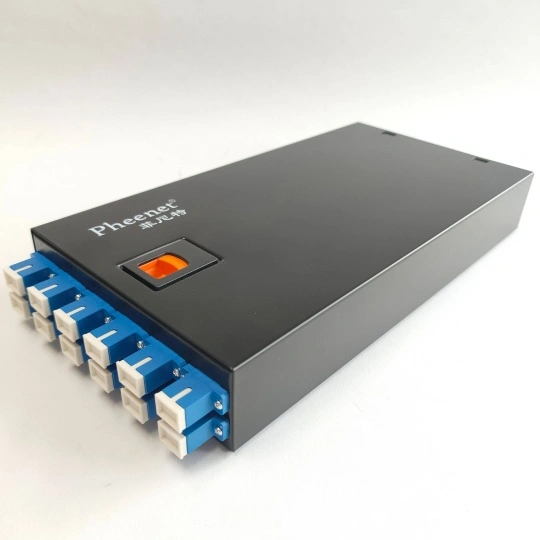
Quick-Install Cable Adapters

Quick-Install Cable Adapters

‌Product Overview‌Quick-Install Cable Adapters are the game-changing connectivity solution designed for professionals and DIY enthusiasts alike. Engineered to eliminate installation hassles, these adapters provide instant, tool-free conne.
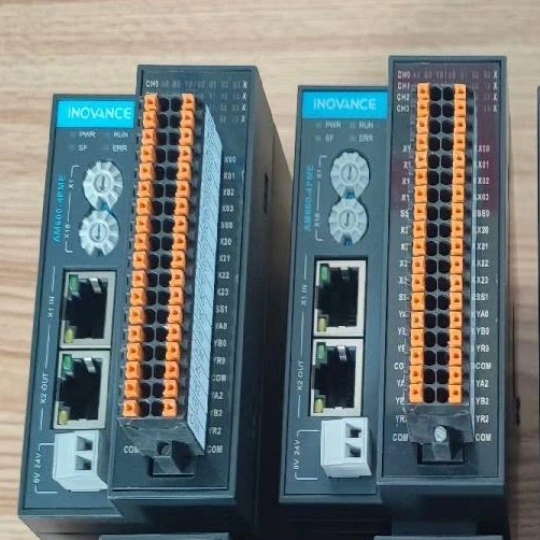
Industrial control cable module components

Industrial control cable module components

Meta Description: Discover high-performance industrial control cable module components designed for seamless automation, harsh environments, and superior connectivity. Explore specs, certifications, and applications. H2: Industrial Con.

Contact Us

Feel free to reach out to us for any inquiries or orders.

Call Us

Have a question? Give us a call!

+861881875005

Email Us

Send us an email and we'll get back to you soon.

sales@custom-cable-assemblies.com
       
Home Products Contact