Industrial Cable Assemblies-Industrial Cable Assemblies factory
Industrial cable assemblies and standard cables serve distinct purposes, with differences rooted in design, materials, performance, and application. Understanding these distinctions is critical for selecting the right solution for demanding environments. Here’s a breakdown of their key differences:
Industrial cable assemblies are engineered to withstand harsh conditions, including extreme temperatures, moisture, chemicals, abrasion, and UV exposure. They often feature ruggedized jackets made of materials like thermoplastic elastomer (TPE) or polyurethane (PUR), which offer superior resistance to wear and tear.
Standard cables, on the other hand, typically use PVC or less durable materials suited for mild indoor environments. They lack the protective layers needed to survive industrial settings.
Industrial assemblies incorporate advanced shielding (e.g., braided copper, foil, or composite shields) to minimize electromagnetic interference (EMI) and radio frequency interference (RFI). This ensures reliable signal transmission in environments with heavy machinery, motors, or high-voltage equipment.
Standard cables may have basic shielding or none at all, making them prone to signal degradation in electrically noisy areas.
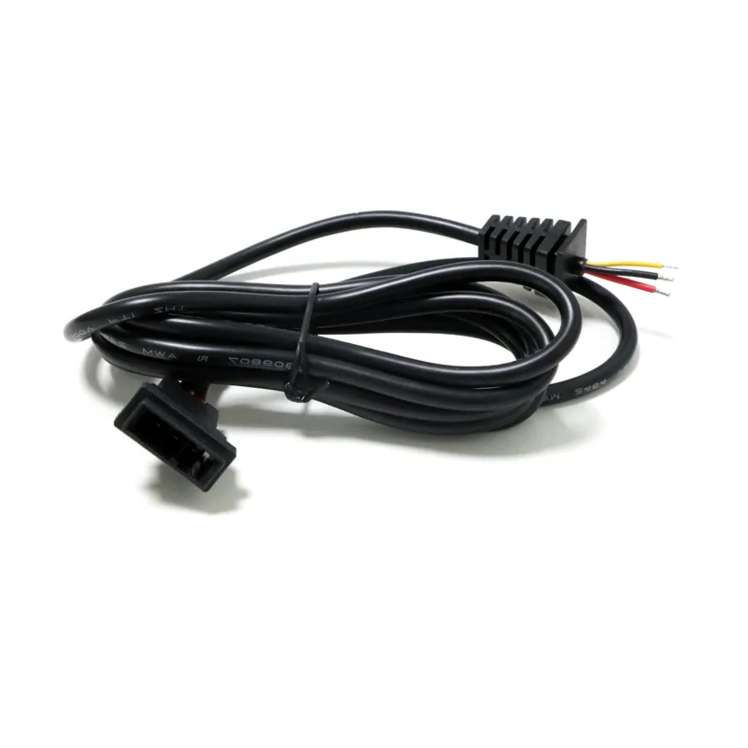
Industrial cable assemblies are often custom-designed to meet specific requirements, such as unique lengths, connector types (e.g., M12, M8, or circular connectors), or voltage/current ratings. They may include multi-conductor configurations, hybrid power-signal lines, or waterproof terminations.
Standard cables are mass-produced for generic applications (e.g., consumer electronics or household wiring) and lack tailored features.
Industrial cables undergo rigorous testing for flexibility, bend radius, and tensile strength. For example, continuous flex-rated cables maintain performance in moving machinery or robotic arms. They also handle higher voltage (up to 1kV or more) and current loads.
Standard cables prioritize cost-efficiency over high-stress performance, making them unsuitable for dynamic or heavy-load scenarios.
Industrial assemblies adhere to strict international standards (e.g., UL, IEC, or IP ratings) for safety, ingress protection, and flame resistance. Certifications like IP67/IP69K ensure dustproof and waterproof capabilities.
Standard cables may meet basic regulatory requirements (e.g., RoHS) but lack specialized certifications for industrial use.
Industrial connectors are built with precision, using corrosion-resistant metals (e.g., stainless steel or gold-plated contacts) and secure locking mechanisms to prevent disconnection in high-vibration settings.
Standard connectors (e.g., USB or HDMI) prioritize ease of use over long-term reliability in challenging conditions.
Industrial cable assemblies are deployed in manufacturing plants, oil and gas facilities, automation systems, military equipment, and renewable energy installations.
Standard cables are common in residential, office, or light commercial environments (e.g., charging cables, Ethernet cords, or speaker wires).
Our factory offers high-quality products at competitive prices
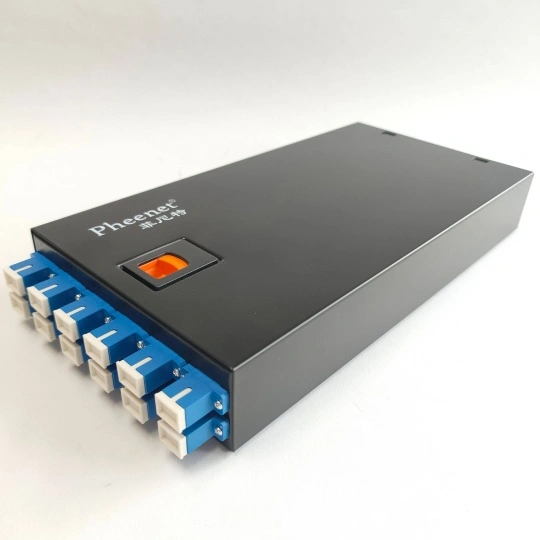
Product OverviewQuick-Install Cable Adapters are the game-changing connectivity solution designed for professionals and DIY enthusiasts alike. Engineered to eliminate installation hassles, these adapters provide instant, tool-free conne.
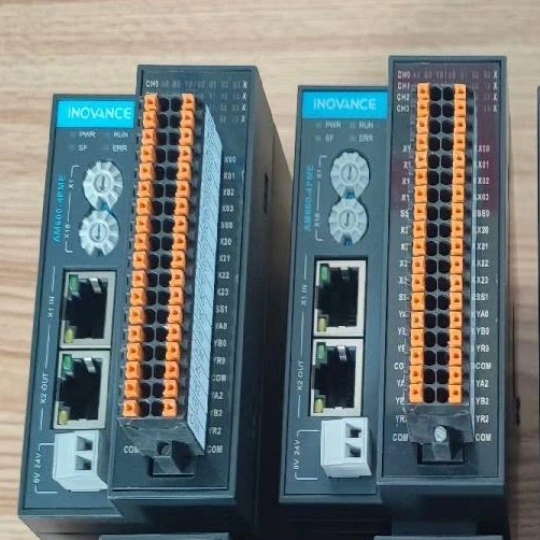
Meta Description: Discover high-performance industrial control cable module components designed for seamless automation, harsh environments, and superior connectivity. Explore specs, certifications, and applications. H2: Industrial Con.
Feel free to reach out to us for any inquiries or orders.