Offshore oil rigs present one of the most punishing environments for electrical systems. Constant exposure to salt spray, humidity, temperature swings, and chemical fumes relentlessly attacks industrial cable assemblies. Corrosion in these cables isn’t just an inconvenience – it leads to signal loss, power failures, costly downtime, and serious safety hazards. Fortunately, proactive prevention strategies can significantly extend cable life and ensure reliable operation. Here’s how to combat corrosion effectively:
1. Prioritize Corrosion-Resistant Materials:
Connectors & Housings: Use connectors made from high-grade, non-ferrous metals:
Stainless Steel (316L/316): The gold standard for harsh environments. Highly resistant to saltwater and chemicals. Opt for passivated finishes.
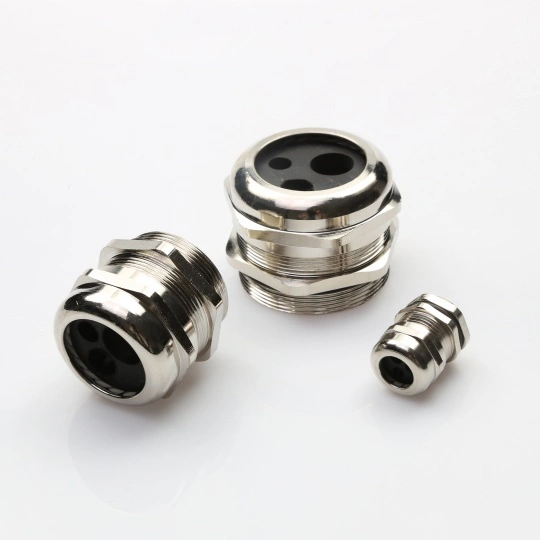
Nickel-Plated Brass/Aluminum: Good balance of corrosion resistance and cost-effectiveness for less severe exposures. Ensure plating is high-quality and durable.
Thermoplastics/Composite Housings: Excellent choices for non-metallic options, impervious to salt corrosion (e.g., polycarbonate, glass-reinforced nylon).
Contacts & Pins: Specify gold-plated contacts for critical signal/power lines. Gold provides superior corrosion resistance and maintains stable conductivity. For high-current applications, silver-plated contacts (possibly with supplementary protective grease) are common.
Cable Jackets: Select jackets specifically engineered for marine/offshore use:
Chlorinated Polyethylene (CPE), Chlorosulfonated Polyethylene (CSPE / Hypalon®), Ethylene Propylene Rubber (EPR): These offer excellent resistance to saltwater, ozone, UV degradation, and oils.
IP Ratings Matter: Ensure connectors and cable glands meet at least IP66/IP67 (dust-tight and protected against powerful water jets/temporary immersion). For submerged or high-pressure washdown areas, IP68/IP69K is essential.
Backshell Sealing: Use connectors with integrated environmental seals (O-rings/gaskets) between mating halves and at the cable entry point (backshell).
Potting & Overmolding: For critical assemblies or exposed terminations, consider encapsulating connections within a connector backshell using waterproof epoxy or urethane potting compounds. Overmolding creates a seamless, water-tight barrier.
Proper Glanding: Use double-compression cable glands designed for marine environments (stainless steel body & seal) at enclosure entry points. Ensure correct gland size and torque for the cable diameter.
Drip Loops: Form loops below connection points to prevent water from running directly into connectors/conduits.
3. Apply Protective Coatings & Lubricants:
Anti-Corrosion Sprays/Gels: Apply specialized dielectric grease or corrosion-inhibiting sprays (like CRC Marine Corrosion Inhibitor) to metal surfaces of connectors, especially contact pins, threads, and housings. These displace moisture and create a protective barrier.
Conductive Grease: Use on mating connector interfaces (applied sparingly to contacts) to prevent oxidation and maintain conductivity. Ensure compatibility with the connector materials.
Heat Shrink Tubing: Use adhesive-lined, marine-grade heat shrink over splices or terminations to create a sealed, environmental barrier. Dual-wall tubing is highly effective.
Avoid Galvanic Corrosion: Never mix incompatible metals in close contact (e.g., steel hardware on aluminum housings). Use isolating washers or specify compatible metal pairings based on the galvanic series.
Prevent Mechanical Damage: Scratches, nicks, or crushing on metal surfaces or cable jackets drastically accelerate corrosion. Use proper lifting techniques, cable rollers, and protectors during installation. Avoid sharp bends.
Cleanliness: Ensure connectors, pins, and cable ends are clean, dry, and free of contaminants (salt residue, oil, grease – unless intentionally applied inhibitor) before mating. Use contact cleaners if needed.
Proper Termination: Ensure terminations are correct and secure to prevent moisture ingress through poor connections.
5. Commit to Proactive Maintenance & Inspection:
Regular Visual Checks: Schedule frequent inspections for signs of:
White/green powdery deposits (corrosion).
Frayed, cracked, or blistered cable jackets.
Damaged or deformed connector housings/seals.
Moisture inside connectors (check via drain holes if present).
Functional Testing: Periodically test insulation resistance and continuity to identify hidden degradation.
Prompt Cleaning & Re-treatment: If minor corrosion is found during inspection, gently clean affected metal surfaces (using approved methods for the material) and re-apply corrosion inhibitor grease/spray.
Replacement Protocol: Have a plan for replacing assemblies showing significant corrosion, compromised seals, or damaged jackets. Don’t wait for failure.
Rodent damage to industrial cables is a persistent and costly problem for manufacturing plants, power facilities, and logistics hubs. Mice, rats, and squirrels have incisors that grow continuously—they gnaw on cable insulation and condu...
In the complex and harsh environment of industrial automation, M12 industrial cable assemblies have become the backbone of signal and power transmission, thanks to their compact structure, reliable connection performance and strong adap...
PUR industrial cable assemblies are the top choice for harsh, dynamic industrial environments, offering exceptional abrasion resistance, oil resistance, low-temperature flexibility, and long service life under continuous flexing. This g...
In the era of Industry 4.0, smart factories are redefining manufacturing with automation, IoT integration, and data-driven processes. However, achieving seamless connectivity and operational efficiency hinges on a critical yet often ove...
In the intricate web of modern industrial operations, the role of cables in ensuring seamless power transmission and data communication cannot be overstated. Among the various types of cables available, armored industrial cables have em...
Industrial cables are the unsung backbone of modern manufacturing—they transmit power, carry critical data, and enable the seamless operation of machinery in factories, refineries, and automation systems. In environments prone to extrem...
High-speed sensor links in modern vehicles—from surround-view cameras to radar and satellite navigation—demand miniature interconnects that preserve signal integrity under harsh EMI/EMC and environmental conditions. This guide explains ...
In industrial automation, the SERCOS (Serial Real-Time Communication System) protocol stands out as a cornerstone for high-speed, deterministic data exchange between controllers, drives, and sensors. However, the performance of SERCOS n...
Hydrogen fuel cell systems represent a significant leap forward in clean energy technology. However, their unique operating environment places critical demands on every component, especially the cable assemblies interconnecting sensors,...
In the industrial sector, industrial cables serve as the “nervous system” connecting machinery, equipment, and control systems. Whether in manufacturing plants, power stations, oil refineries, or infrastructure projects, the...
Understanding IP Ratings: The Global Standard
Industrial cable assemblies rely on Ingress Protection (IP) ratings to define their environmental resistance. The IP code, established by international standard IEC 60529, consists of two...
Pre-Installation ChecksInspect for DamageVisual Inspection: Examine cables for cuts, abrasions, or exposed conductors before installation. Even minor damage can compromise insulation or shielding.Certification Compliance: Verify...
In the realm of industrial operations, the choice between copper and aluminum cables is far from trivial. It directly impacts project efficiency, long – term costs, and overall operational reliability. Making an informed decision ...
In industrial settings—from manufacturing assembly lines and mining conveyor systems to railway traction networks—industrial cables serve as the lifeline of power transmission. However, power loss in these cables is inevitable, and its ...
Industrial cables are essential components in various sectors, including manufacturing, energy, transportation, and construction. The manufacturing process of industrial cables is a complex and precise sequence of steps to ensure they m...
Industrial cables are the lifelines of outdoor infrastructure, powering everything from manufacturing plants and construction sites to renewable energy systems and mining operations. Unlike indoor cables, those used outdoors face a rele...
In the modern world of connectivity and infrastructure, cables are the unsung heroes that keep our industries, businesses, and daily lives running smoothly. However, not all cables are created equal. Two types that often cause confusion...
In the complex landscape of industrial automation and machinery, industrial connectors serve as the vital link between various components, ensuring seamless data and power transmission. However, their performance is heavily reliant on a...
Selecting compliant cable assemblies is critical for ensuring safety, performance, and adherence to industry standards. Whether you’re working in electronics, automotive, aerospace, or industrial applications, follow these steps to choo...
High-pressure environments—such as deep-sea oil drilling platforms, high-pressure chemical reactors, and subsea exploration systems—pose unique challenges to industrial cables. Unlike standard industrial settings, these environments exp...
In today’s competitive business landscape, every investment counts. Whether you’re operating in the automotive, aerospace, medical, or telecommunications industry, the components you choose directly impact your bottom line, operational ...
The Hyperloop, a revolutionary transportation concept, promises to redefine speed and efficiency in mass transit. At its core, this technology relies on a complex network of industrial cables to ensure safety, performance, and reliabili...
1. The Rising Demand for Cost-Effective Medical Solutions
Hospitals worldwide face mounting pressure to reduce expenses without compromising quality. Medical cables—often overlooked—play a pivotal role in streamlining operations. Fro...
The worldwide transition to smarter, more resilient power networks is accelerating. Utilities are modernizing aging grids with digital monitoring, distributed energy resources (DERs), and advanced metering infrastructure (AMI). This shi...
The global cable market is set to experience robust expansion, with projections indicating a 12% compound annual growth rate (CAGR) through 2026. This surge is driven by rising infrastructure investments, advancements in telecommu...
The cable industry, a backbone of modern technology, is poised for transformative changes by 2025. Engineers and industry experts are forecasting advancements driven by sustainability, digitalization, and evolving infrastructure demands...
The New Generation of Connected Cables
Major manufacturers (Prysmian, Nexans) and startups (BondWire, NanoCable Tech) are embedding sensors directly into cable structures. These IoT-enabled cables continuously monitor:
Real-time ...
IntroductionAs global industries face mounting pressure to reduce carbon footprints, the cable manufacturing sector is undergoing a transformative shift. The rise of carbon-neutral cable factories marks a critical milestone in sustainab...
Discover expert strategies for deploying and maintaining cable assemblies in industrial robot production lines. Enhance reliability, reduce downtime, and optimize performance with proven techniques.IntroductionIn industrial robot prod...
High-voltage cable assemblies are critical components in industries like energy transmission, renewable energy, manufacturing, and infrastructure. Ensuring these cables meet stringent technical requirements is essential for safety, effi...
In today’s fast-paced industrial environments—from automotive assembly lines and warehouse logistics to pharmaceutical packaging—barcode scanners are indispensable tools for tracking assets, streamlining workflows, and ensuring data acc...
As 5G-enabled industrial automation pushes factories toward higher speeds, more sensors, and harsher operating conditions, the reliability of every physical connection is under unprecedented pressure. Chemical resistant industrial cable...
Industrial Cable Assemblies & Wire Harnesses: The Backbone of Reliable Industrial Operations
In the fast-paced, high-stakes world of industrial manufacturing, automation, and heavy machinery, seamless connectivity is non-negotiab...
Industrial cables are the lifelines of manufacturing plants, refineries, and chemical processing facilities, transmitting power and data to keep operations running smoothly. However, chemical spills pose a severe threat to these cables—...
In today’s fast-paced manufacturing world, precision is non-negotiable—especially in industries like aerospace, automotive, and electronics, where a single faulty cable can lead to system failures or safety risks. Traditional cable asse...
Recent advancements in high-voltage cable testing reveal a global regulatory shift towards stricter standards. With major economies implementing upgraded testing protocols, the power infrastructure sector faces both challenges and oppor...
Conductors: The Core of Power and Signal TransmissionThe conductor is the central element responsible for transmitting electrical power or signals. Common materials include:
Copper: The most widely used conductor due to its exce...
In today’s industrial landscape, oil-resistant cable assemblies are no longer a niche product—they are a mission-critical component in ensuring uptime, safety, and long-term cost efficiency. This article explores how new material innova...
Cable assemblies are the lifelines of the energy sector, enabling the generation, transmission, and distribution of power across diverse environments—from offshore wind farms to underground oil rigs. As the global demand for energy grow...
The Invisible Network Keeping Cities Moving
Modern urban traffic management relies on an underground nervous system of IoT (Internet of Things) cables and sensors. These interconnected systems collect real-time data from traffic ligh...
Corrosion-Resistant Cable Connectors: Reliable Connectivity for Harsh Environments
Ensure uninterrupted performance in the toughest conditions with our corrosion-resistant cable connectors. Designed for durability and longevity, these.
Meta Description: Discover high-performance industrial control cable module components designed for seamless automation, harsh environments, and superior connectivity. Explore specs, certifications, and applications.
H2: Industrial Con.
Contact Us
Feel free to reach out to us for any inquiries or orders.