
Industrial Cable Assemblies-Industrial Cable Assemblies factory
Heavy-duty cables are the lifelines of numerous industries, from power generation and transmission to manufacturing, construction, and transportation. These cables are designed to carry high currents, withstand extreme environmental conditions, and ensure uninterrupted power supply or signal transmission. Among the critical performance parameters of heavy-duty cables, conductivity stands out as a fundamental indicator of their efficiency and reliability. Poor conductivity can lead to excessive energy loss, overheating, equipment failure, and even safety hazards such as fires or electrical shocks. Therefore, conducting accurate and regular conductivity tests on heavy-duty cables is essential for maintaining operational safety, optimizing energy efficiency, and prolonging the service life of both the cables and the connected equipment. This article provides a comprehensive guide on how to test the conductivity of heavy-duty cables, covering the necessary preparations, common testing methods, key considerations, and best practices.
Before delving into the testing process, it is crucial to understand what conductivity means in the context of heavy-duty cables. Conductivity refers to the ability of a material to conduct electric current, and it is the reciprocal of resistivity (ρ), measured in siemens per meter (S/m) or mho per meter (℧/m). For cables, the conductivity of the conductor material—typically copper or aluminum—directly affects how efficiently current flows through the cable. Copper is known for its high conductivity (approximately 58.0 × 10⁶ S/m at 20°C), while aluminum has a lower conductivity (around 37.7 × 10⁶ S/m at 20°C) but is lighter and more cost-effective.
However, the conductivity of heavy-duty cables is not solely determined by the conductor material. Factors such as the conductor’s cross-sectional area, temperature, mechanical stress, corrosion, and insulation quality can also impact conductivity. For example, an increase in temperature causes the resistivity of metals to rise, thereby decreasing conductivity. Over time, corrosion or oxidation of the conductor surface can create a layer of high-resistance material, hindering current flow. Mechanical damage, such as kinks or crushing, can deform the conductor, reducing its effective cross-sectional area and increasing resistance. Thus, conductivity testing must account for these variables to provide accurate and meaningful results.
Proper preparation is the foundation of a successful conductivity test. Skipping or rushing through these steps can lead to inaccurate readings, safety risks, or damage to the testing equipment. Below are the key preparatory steps:
Heavy-duty cables often carry high voltages and currents, so safety must be the top priority. Before starting any testing, ensure that the cable is completely de-energized. Disconnect the cable from all power sources, lock out and tag out (LOTO) the electrical panels to prevent accidental re-energization, and verify that there is no residual voltage using a voltage tester. Wear appropriate personal protective equipment (PPE), including insulated gloves, safety glasses, a flame-resistant jacket, and steel-toed boots. Additionally, ensure that the testing area is well-ventilated, free from flammable materials, and accessible only to authorized personnel.
The type of testing equipment required depends on the chosen conductivity testing method (discussed in Section 3). However, some common tools and instruments include:
If testing a cable sample (rather than an installed cable), ensure that the sample is representative of the actual cables in use. The sample should be of the same material, cross-sectional area, and manufacturing batch as the cables in service. For installed cables, isolate a section of the cable that is free from damage, kinks, or corrosion.
Next, prepare the cable ends by stripping off a sufficient length of insulation (typically 2–3 inches) to expose the conductor. Use a wire stripper appropriate for the cable’s gauge to avoid damaging the conductor. Once the conductor is exposed, clean the surface using a wire brush or sandpaper to remove any dirt, grease, corrosion, or oxidation. A clean conductor surface ensures good electrical contact between the conductor and the testing probes, which is critical for accurate resistance measurements.
Testing equipment can drift over time, leading to inaccurate readings. Therefore, it is essential to calibrate the equipment before each test using certified calibration standards. For example, if using an ohmmeter, calibrate it using a standard resistor of known value. For a four-point probe tester, use a calibration sample of known resistivity (e.g., a copper or aluminum sheet with a certified resistivity value). Follow the manufacturer’s instructions for calibration, and record the calibration results for documentation purposes.
There are several methods for testing the conductivity of heavy-duty cables, each with its own advantages, disadvantages, and applications. The choice of method depends on factors such as the cable’s size, location (installed or sample), required accuracy, and available equipment. Below are the most widely used methods:
The DC resistance method is the simplest and most commonly used technique for testing cable conductivity. It involves measuring the DC resistance of the cable conductor and then calculating conductivity using the formula for resistance:
R = ρ × (L/A)
Where:
Since conductivity (σ) is the reciprocal of resistivity (σ = 1/ρ), we can rearrange the formula to calculate conductivity:
σ = (L) / (R × A)
Testing Procedure:
Advantages: Simple, cost-effective, requires basic equipment, suitable for both installed and sample cables.
Disadvantages: Susceptible to errors from contact resistance (between probes and conductor) and temperature variations if not properly corrected.
The four-point probe method is a more accurate technique for measuring conductivity, as it eliminates the effects of contact resistance. This method uses four equally spaced probes that are placed in contact with the conductor surface. A constant DC current is passed through the outer two probes, and the voltage drop is measured between the inner two probes. Since the current is supplied through separate probes, the voltage measurement is not affected by the contact resistance at the current probes.
Testing Procedure:
Advantages: High accuracy, eliminates contact resistance errors, suitable for measuring the intrinsic conductivity of the conductor material.
Disadvantages: More complex and expensive equipment, requires a flat or accessible conductor surface, less suitable for large installed cables.
Eddy current testing is a non-destructive testing (NDT) method that is used to evaluate the conductivity of heavy-duty cables without making direct contact with the conductor. This method works by generating an alternating magnetic field using a coil (probe) placed near the cable. The magnetic field induces eddy currents in the conductor, and the magnitude and phase of these eddy currents depend on the conductor’s conductivity, permeability, and geometry. The probe detects the changes in the magnetic field caused by the eddy currents, and the tester converts these changes into conductivity readings.
Testing Procedure:
Advantages: Non-destructive, no need for direct contact with the conductor, fast and efficient for large-scale testing, can detect localized conductivity variations.
Disadvantages: Less accurate than the four-point probe method, affected by the cable’s geometry (e.g., diameter, insulation thickness) and permeability, requires calibration for different cable types.
To ensure accurate and reliable conductivity test results, consider the following best practices:
As mentioned earlier, temperature has a significant impact on conductivity. Always measure the conductor’s temperature during testing and correct the results to the reference temperature (usually 20°C) using the appropriate temperature coefficient. Failure to do so can lead to misleading conductivity values—for example, a hot conductor will have lower conductivity than a cold one, even if the material is the same.
Poor electrical contact between the testing probes and the conductor is a common source of error in conductivity testing. Clean the conductor surface thoroughly, use probes with a large contact area, and apply gentle pressure to the probes to ensure a secure connection. For the DC resistance method, using spring-loaded probes can help maintain consistent contact pressure.
When testing cable samples, ensure that the samples are representative of the entire batch or installation. Avoid using samples that are damaged, corroded, or from a different manufacturing batch. For installed cables, test multiple sections of the cable to identify any localized issues.
Maintain detailed records of each conductivity test, including the date and time of the test, the cable identification number (e.g., part number, installation location), the type of testing equipment used, calibration results, temperature readings, raw resistance/voltage data, corrected conductivity values, and any observations (e.g., corrosion, damage). This documentation is essential for tracking the cable’s performance over time, complying with industry standards, and troubleshooting any issues that arise.
Conductivity testing of heavy-duty cables should comply with relevant industry standards, such as IEEE 45 (for marine cables), IEC 60228 (for conductor standards), or ASTM B193 (for conductivity of copper and copper alloys). These standards specify the testing methods, reference temperatures, and acceptable conductivity ranges for different cable types and materials, ensuring consistency and comparability of test results.
Even with proper preparation, conductivity testing can encounter issues that affect accuracy. Below are some common problems and their solutions:
At FRS, we understand that the conductivity and overall performance of heavy-duty cables are critical to the success of your operations. That’s why we are committed to manufacturing high-quality heavy-duty cables that meet or exceed industry standards for conductivity, durability, and reliability. Our cables are crafted using premium-grade copper and aluminum conductors, with strict quality control measures at every stage of the manufacturing process—from raw material selection to final testing.
Before leaving our factory, every batch of FRS heavy-duty cables undergoes rigorous conductivity testing using state-of-the-art four-point probe and DC resistance methods, ensuring that each cable delivers optimal current-carrying capacity and energy efficiency. We also conduct temperature correction and environmental testing to ensure that our cables maintain their conductivity even in extreme temperatures, humidity, and corrosive environments.
Whether you need heavy-duty cables for power transmission, industrial machinery, construction projects, or transportation systems, FRS has the expertise and capabilities to provide customized solutions tailored to your specific requirements. Our team of engineers works closely with clients to understand their needs and recommend the best cable materials, sizes, and configurations to maximize performance and minimize costs.
With FRS, you can trust that your heavy-duty cables are built to last, perform reliably, and meet the strictest conductivity standards. Contact us today to learn more about our products and how we can support your operations with high-quality, conductivity-tested heavy-duty cables.
Our factory offers high-quality products at competitive prices
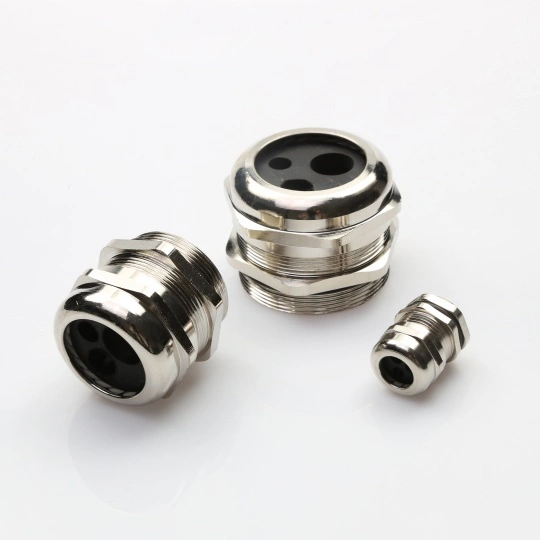
Corrosion-Resistant Cable Connectors: Reliable Connectivity for Harsh Environments Ensure uninterrupted performance in the toughest conditions with our corrosion-resistant cable connectors. Designed for durability and longevity, these.
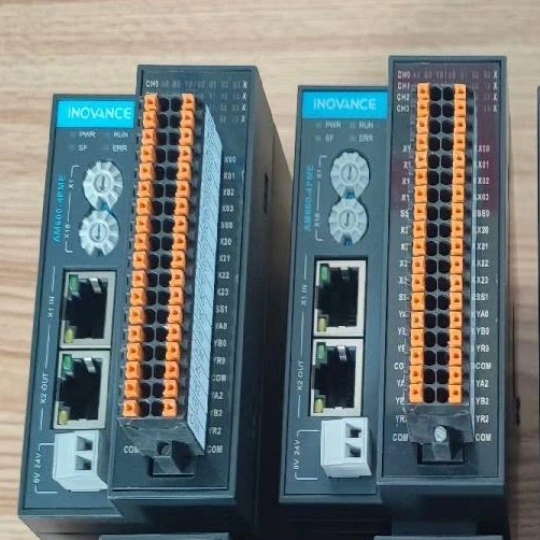
Meta Description: Discover high-performance industrial control cable module components designed for seamless automation, harsh environments, and superior connectivity. Explore specs, certifications, and applications. H2: Industrial Con.
Feel free to reach out to us for any inquiries or orders.