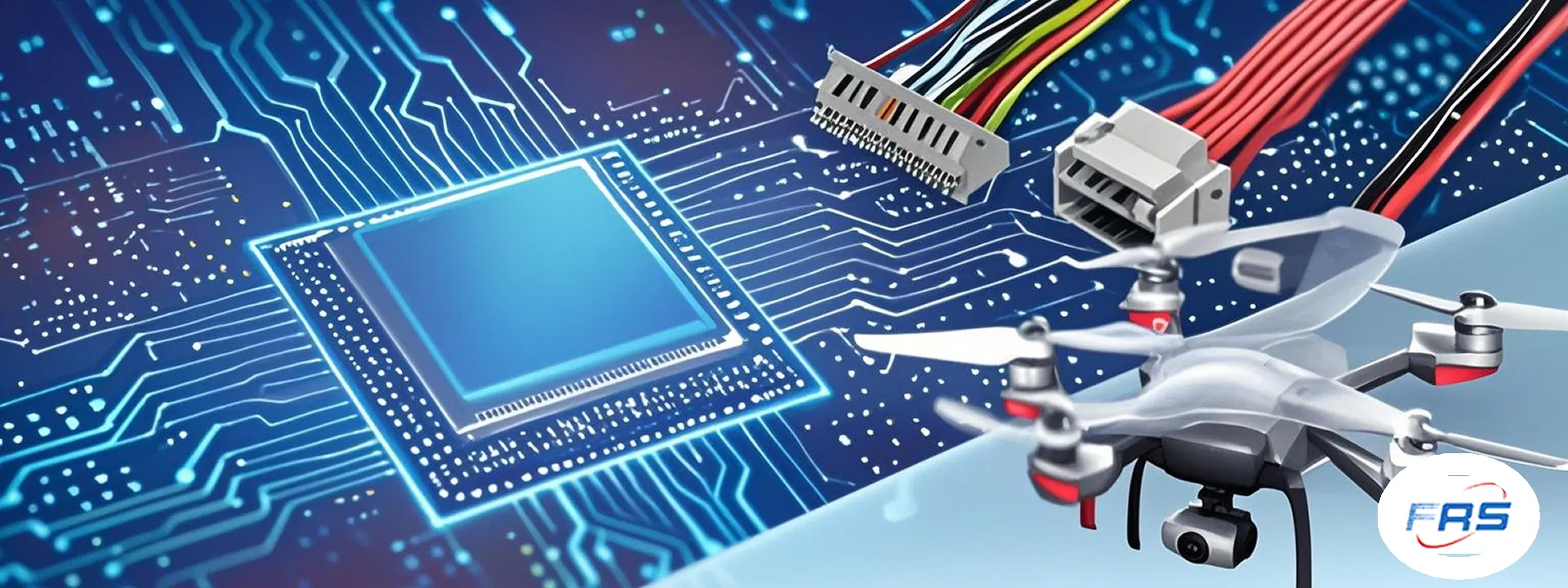
Industrial Cable Assemblies-Industrial Cable Assemblies factory
In the high-stakes environment of modern industrial automation, the difference between seamless production and catastrophic downtime often comes down to a single component: the connection. While controllers, sensors, and actuators get most of the attention, Industrial Cable Assembliesare the nervous system that allows data and power to flow reliably. In automation and control systems, these are not merely wires; they are precision-engineered solutions designed to withstand extreme conditions while maintaining signal integrity.
This article moves beyond basic definitions to explore how advanced cable assemblies are solving today’s most complex challenges in factory automation, robotics, and process control.
Many engineers initially opt for standard off-the-shelf cables to save costs. However, in an industrial setting, this approach often backfires. Standard cables lack the robust shielding, strain relief, and environmental resistance required for long-term reliability.
An underperforming cable assembly can lead to:
For mission-critical applications, investing in purpose-built Industrial Cable Assembliesis not an expense—it is risk mitigation.
Understanding where and why specific assemblies are used is crucial for selecting the right solution.
Robotic arms in welding or assembly lines undergo millions of bend cycles. Standard cables will fail within weeks.
The rise of IIoT (Industrial Internet of Things) demands flawless data transmission.
Connecting proximity sensors, limit switches, and pneumatic valves requires compact yet durable connections.
To truly outperform competitors, one must look at the technical nuances that generic suppliers overlook.
The jacket material dictates performance. Choosing incorrectly is a common pitfall.
Not all shielding is created equal. For VFD applications, “100% shield coverage” is a myth. Effective shielding uses a combination of:
Traditional assemblies use heat shrink or hand-applied strain relief, which can create failure points.
When specifying Industrial Cable Assembliesfor automation, use this checklist:
| Environmental Factor | Required Specification | Why It Matters |
|---|---|---|
| Oil & Coolant Exposure | PUR Jacket, IP67 Rating | Prevents jacket swelling and insulation breakdown. |
| Continuous Motion | High-Flex Rated, Stranded Conductors | Prevents copper wire fatigue and internal breaks. |
| High EMI/VFD Noise | Dual-Shielded (Foil + Braid) | Maintains signal integrity for analog and data lines. |
| Extreme Temperatures | Silicone or PTFE Insulation | Ensures flexibility in freezers (-40°C) or near furnaces (+105°C). |
The next evolution in Industrial Cable Assembliesis the integration of intelligence. We are seeing the emergence of “smart cables” with embedded micro-chips or diagnostic fibers. These allow for:
As automation systems become more complex, the demand for cables that can communicate their own health status will surge.
In the realm of automation and control, treating cable assemblies as an afterthought is a recipe for failure. By understanding the specific demands of your application—from robotic flex life to EMI shielding—you can select assemblies that enhance reliability and reduce total cost of ownership. High-quality Industrial Cable Assembliesare not just a component; they are the foundation of a resilient and efficient automated system.
Our factory offers high-quality products at competitive prices
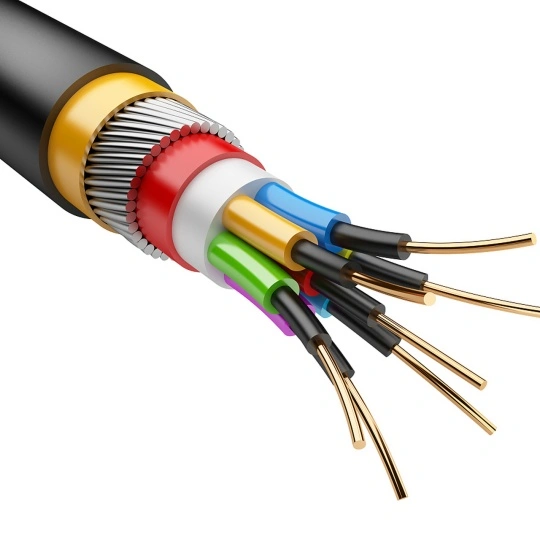
In today’s technology-driven world, maintaining uninterrupted signal integrity is critical for industrial, commercial, and residential applications. The Shielded Cable Core is engineered to deliver superior electromagnetic interference .
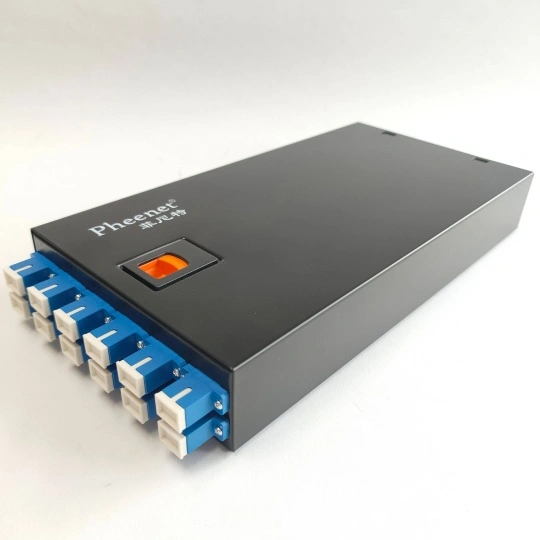
Product OverviewQuick-Install Cable Adapters are the game-changing connectivity solution designed for professionals and DIY enthusiasts alike. Engineered to eliminate installation hassles, these adapters provide instant, tool-free conne.
Feel free to reach out to us for any inquiries or orders.