
Industrial Cable Assemblies-Industrial Cable Assemblies factory
In industrial automation, manufacturing, and process control, reliable connectivity is the backbone of operational efficiency. Industrial Cable Assemblies – FRS (Flame Retardant Shielded) are engineered to meet the rigorous demands of harsh industrial environments, delivering stable power and signal transmission while adhering to strict safety standards. For B2B buyers, engineers, and procurement professionals, choosing the right Industrial Cable Assemblies – FRS is critical to minimizing downtime, reducing maintenance costs, and ensuring compliance. This guide breaks down everything you need to know about Industrial Cable Assemblies – FRS—from core specifications and practical applications to key differences from standard cables and expert pitfalls to avoid.
Industrial Cable Assemblies – FRS are pre-manufactured cable solutions designed specifically for industrial settings, distinguished by two core features: flame retardant (FR) properties and shielding (S). Unlike consumer-grade cables, Industrial Cable Assemblies – FRS are built to withstand extreme temperatures, mechanical stress, chemical exposure, and electromagnetic interference (EMI), making them ideal for high-risk and high-performance industrial applications. B2B buyers often prioritize these cables for their ability to integrate seamlessly into existing systems while meeting strict industry safety norms.
To ensure compatibility with your industrial systems, it’s essential to understand the critical specifications that define Industrial Cable Assemblies – FRS. These parameters directly impact performance, safety, and longevity—factors that B2B buyers and engineers must prioritize when selecting cables for their operations:
Industrial Cable Assemblies – FRS are versatile and widely used across industries where safety, reliability, and interference resistance are non-negotiable. Below are the most common B2B applications, with specific use cases and customizations to help you identify if Industrial Cable Assemblies – FRS are the right choice for your operations:
In automated production lines, Industrial Cable Assemblies – FRS connect PLCs, servo motors, sensors, and robotic arms—core components of modern manufacturing. For B2B buyers in automotive manufacturing, custom Industrial Cable Assemblies – FRS with braided shielding and high bend-life (≥10,000 cycles) are ideal for robotic joints; manufacturers can tailor cable length (from 1m to 50m) and connector types (M8/M12) to fit specific robotic models. These customizations ensure seamless integration and reduce installation time.
For real-time data transmission in factory networks, Industrial Cable Assemblies – FRS (Cat5e, Cat6, Cat6a) ensure stable connectivity between industrial switches, control cabinets, and monitoring systems. B2B buyers can request custom Industrial Cable Assemblies – FRS with color-coded jackets (e.g., red for power, blue for signal) to simplify cable management and reduce maintenance errors. These cables are engineered to withstand vibration and temperature fluctuations, making them suitable for harsh factory floors, and support protocols like EtherCAT and Modbus TCP, critical for process control.
In power plants, solar farms, and wind turbines, Industrial Cable Assemblies – FRS transmit power and control signals. Flame retardant properties are essential in these high-voltage environments to reduce fire risk, while shielding protects against interference from transformers and power converters. For B2B buyers in renewable energy, custom Industrial Cable Assemblies – FRS with UV-resistant jackets, IP65/IP68 ingress protection, and armor plating are available to withstand outdoor conditions; manufacturers can also adjust conductor gauge to minimize voltage drop in long-distance installations (e.g., solar farm arrays).
In cleanrooms and medical device manufacturing, Industrial Cable Assemblies – FRS with low-smoke, halogen-free (LSZH) jackets are used to avoid contamination and ensure safety. B2B buyers can customize these Industrial Cable Assemblies – FRS to meet FDA and ISO 13485 standards, including sterile packaging and traceable material documentation. They connect equipment like imaging systems, automated packaging machines, and sterile processing tools, where signal integrity and compliance are critical.
Offshore platforms and marine vessels require Industrial Cable Assemblies – FRS with corrosion-resistant jackets (e.g., PTFE) and armor to withstand saltwater, humidity, and mechanical stress. B2B buyers in this industry can request custom Industrial Cable Assemblies – FRS with flame-retardant, explosion-proof (Ex-rated) designs to meet ATEX standards, as well as floating or submersible variants for underwater applications. These cables connect control systems, sensors, and communication equipment, ensuring reliable operation in explosive or harsh conditions.
Many B2B buyers confuse Industrial Cable Assemblies – FRS with standard industrial cables. Below is a clear comparison to help you make an informed decision—this detail is often missing from competitor guides, giving you a competitive edge in your purchasing process:
| Feature | Industrial Cable Assemblies – FRS | Standard Industrial Cable Assemblies |
| Flame Retardancy | Meets UL 94/VW-1 or IEC 60332; self-extinguishes, minimizes smoke/toxins | Basic or no flame retardancy; may spread fire in high-risk environments |
| EMI/RFI Protection | Integrated shielding (foil/braided) reduces interference; critical for sensitive equipment | No shielding or minimal shielding; prone to signal disruption |
| Environment Resistance | Built for harsh conditions (extreme temps, chemicals, vibration); often armored | Suitable for mild industrial environments; limited resistance to harsh factors |
| Compliance | Meets strict safety standards (UL, CE, CPR, RoHS); ideal for regulated industries | Basic compliance; may not meet safety requirements for high-risk applications |
| Cost | Slightly higher upfront cost; lower long-term costs (reduced downtime, maintenance) | Lower upfront cost; higher long-term costs (more failures, replacements) |
| Customization | Wide range (length, connectors, jackets, shielding); tailored to B2B needs | Limited customization; standard sizes and specifications only |
Selecting the correct Industrial Cable Assemblies – FRS requires balancing performance, compliance, and cost. Follow these steps to avoid common mistakes and ensure a perfect fit for your application—with a focus on customization options that align with B2B operational needs:
Choose shielding for your Industrial Cable Assemblies – FRS based on EMI exposure: braided shielding for high EMI (e.g., near motors), foil shielding for flexibility, and dual shielding for maximum protection. For flame retardancy, opt for FRLS variants of Industrial Cable Assemblies – FRS if smoke reduction is critical (e.g., enclosed spaces, public areas) to enhance safety and compliance.
Copper conductors are preferred for conductivity in Industrial Cable Assemblies – FRS; stranded conductors for flexibility. For jackets: PVC for standard use, XLPE for high heat, PTFE for chemicals, and LSZH for low smoke/toxins. Add armor to your Industrial Cable Assemblies – FRS if the cable will be exposed to mechanical damage (e.g., heavy machinery, underground installation) to extend lifespan.
Many industrial applications require custom Industrial Cable Assemblies – FRS, and B2B buyers should prioritize manufacturers that offer flexible OEM/ODM capabilities. Key customization options to request include: specific lengths (from 0.5m to 100m), connector types (M8, M12, DIN, USB Industrial), color-coded jackets for easy cable management, custom shielding levels, and specialized jackets (e.g., UV-resistant, oil-resistant). Additionally, ask for traceability documentation (batch numbers, material certificates) to ensure compliance and quality control— a top priority for B2B procurement teams.
Even experienced B2B buyers make mistakes when selecting Industrial Cable Assemblies – FRS—these errors can lead to system failures, safety hazards, and unnecessary costs. Below are the most frequent pitfalls and how to avoid them:
Non-compliant Industrial Cable Assemblies – FRS (e.g., fake flame retardant jackets, thin shielding) may save money upfront but will fail quickly in harsh environments. For example, a low-quality Industrial Cable Assemblies – FRS in a manufacturing plant may overheat, causing downtime and replacement costs that far exceed the initial savings. Always verify certifications (UL, CE) and request material test reports (MTRs) from the manufacturer of your Industrial Cable Assemblies – FRS.
Using a standard PVC-jacketed Industrial Cable Assemblies – FRS in a high-temperature environment (e.g., near furnaces) will cause the jacket to degrade, exposing conductors and increasing fire risk. Always match the cable’s temperature rating and jacket material to the environment—silicone or PTFE jackets are ideal for high-heat applications in Industrial Cable Assemblies – FRS.
Skipping shielding or choosing the wrong type (e.g., foil instead of braided) in high-EMI environments will lead to signal interference, causing equipment malfunctions. For example, unshielded Industrial Cable Assemblies – FRS near inverters may disrupt PLC signals, leading to production delays. Always assess EMI levels and select the appropriate shielding type for your Industrial Cable Assemblies – FRS.
Mismatched connectors (e.g., using a non-industrial connector with Industrial Cable Assemblies – FRS) will create weak points in the assembly, leading to moisture ingress or signal loss. Ensure connectors are rated for industrial use, compatible with the cable’s gauge, and meet IP standards for your environment (e.g., IP67 for wet areas) when ordering Industrial Cable Assemblies – FRS.
For long-distance installations (over 100 meters), voltage drop can degrade performance of Industrial Cable Assemblies – FRS. Use the formula for AC resistance (considering skin effect) to select the correct conductor gauge—larger gauges (lower AWG) reduce resistance and voltage drop. For power-transmitting Industrial Cable Assemblies – FRS, ensure the voltage drop is ≤5% at the load end to maintain operational efficiency.
Investing in high-quality Industrial Cable Assemblies – FRS delivers long-term value for B2B businesses, especially when customized to meet specific operational needs:
Industrial Cable Assemblies – FRS are essential for B2B operations that demand safety, reliability, and performance in harsh industrial environments. By understanding their key specifications, applications, and differences from standard cables, and avoiding common pitfalls, you can select the right Industrial Cable Assemblies – FRS to optimize your systems and reduce costs. For B2B buyers, prioritizing customization—from length and connectors to shielding and jackets—ensures your Industrial Cable Assemblies – FRS align perfectly with your unique operational needs. Whether you need a standard or custom solution, quality, compliance, and environmental compatibility are the cornerstones of long-term success with Industrial Cable Assemblies – FRS.
For more personalized guidance on selecting or customizing Industrial Cable Assemblies – FRS for your specific application, contact our team of experts—we specialize in tailored solutions that meet your unique B2B needs, from initial specification to final delivery.
Our factory offers high-quality products at competitive prices
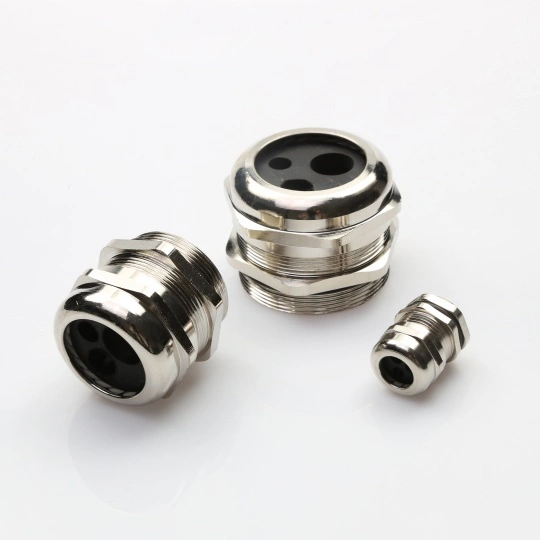
Corrosion-Resistant Cable Connectors: Reliable Connectivity for Harsh Environments Ensure uninterrupted performance in the toughest conditions with our corrosion-resistant cable connectors. Designed for durability and longevity, these.
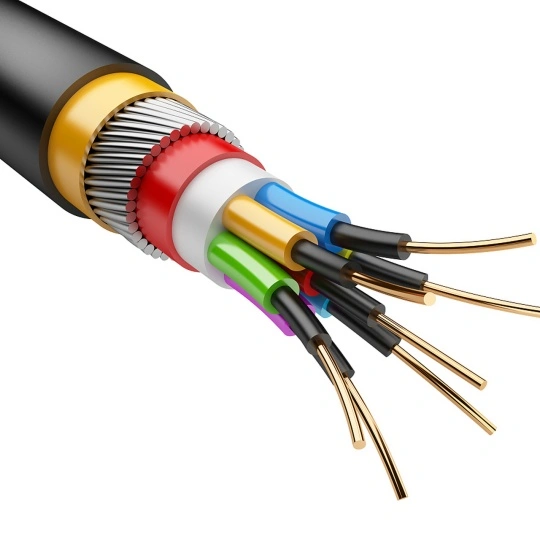
In today’s technology-driven world, maintaining uninterrupted signal integrity is critical for industrial, commercial, and residential applications. The Shielded Cable Core is engineered to deliver superior electromagnetic interference .
Feel free to reach out to us for any inquiries or orders.