Industrial Cable Assemblies-Industrial Cable Assemblies factory
In the complex and demanding landscape of industrial operations, every component plays a critical role in ensuring seamless functionality, safety, and efficiency. Among these essential components, industrial cable connectors stand out as the unsung heroes that facilitate the transfer of power, data, and signals between various machinery, equipment, and systems. Without high-quality, reliable industrial cable connectors, even the most advanced industrial setups would falter, leading to costly downtime, reduced productivity, and potential safety hazards. This article delves into the world of industrial cable connectors, exploring their importance, types, key considerations for selection, installation best practices, maintenance tips, and future trends, providing a comprehensive guide for businesses and professionals seeking to optimize their industrial operations.
Industrial environments are characterized by harsh conditions such as extreme temperatures, moisture, dust, vibration, chemical exposure, and mechanical stress. In such settings, the performance and durability of industrial cable connectors are paramount. These connectors serve as the interface points that ensure a secure and stable connection between cables, which are responsible for transmitting vital power and data. A single faulty connector can disrupt the entire workflow, resulting in production halts that can cost businesses thousands of dollars per hour. For example, in a manufacturing plant, a damaged power connector could stop an assembly line, leading to missed deadlines and lost orders. In the energy sector, a faulty data connector in a power grid monitoring system could compromise the ability to detect and respond to potential outages, posing risks to public safety.
Moreover, industrial cable connectors play a crucial role in ensuring safety. They are designed to prevent electrical shocks, short circuits, and other electrical hazards that can occur in industrial environments. High-quality connectors are built with insulation materials that can withstand high voltages and temperatures, reducing the risk of electrical fires and accidents. Additionally, they provide protection against environmental contaminants such as water and dust, which can corrode electrical components and cause malfunctions. In industries such as oil and gas, where explosive atmospheres are a constant threat, specialized industrial cable connectors with explosion-proof ratings are essential to prevent ignition sources and ensure the safety of workers and equipment.
Industrial cable connectors come in a wide variety of types, each designed to meet specific application requirements. Understanding the different types and their uses is crucial for selecting the right connector for a particular industrial setup. Below are some of the most common types of industrial cable connectors:
Circular connectors are one of the most widely used types of industrial cable connectors due to their robust design and versatility. They feature a circular shape that provides a secure, twist-lock connection, making them resistant to vibration and accidental disconnection. Circular connectors are available in various sizes, pin configurations, and materials, making them suitable for a range of applications. They are commonly used in machinery, robotics, aerospace, and defense industries. For instance, in robotics, circular connectors are used to connect motors, sensors, and controllers, ensuring reliable communication and power transfer between components. In aerospace applications, they are designed to withstand extreme temperatures, high pressures, and harsh environmental conditions.
Rectangular connectors are ideal for applications where space is limited, as their compact design allows for high-density packaging of pins. They are often used in industrial control systems, automation equipment, and data communication systems. Rectangular connectors feature a modular design, which allows for easy customization by adding or removing pins and modules. This flexibility makes them suitable for a wide range of applications, from simple signal transmission to complex power distribution. In industrial control panels, rectangular connectors are used to connect various control devices such as PLCs (Programmable Logic Controllers), HMIs (Human-Machine Interfaces), and sensors, providing a neat and organized connection solution.
Power connectors are specifically designed to transmit high levels of electrical power. They are built with large contact surfaces and robust insulation materials to handle high currents and voltages. Power connectors are available in various types, including AC power connectors, DC power connectors, and high-power connectors for industrial machinery. They are commonly used in manufacturing plants, power generation facilities, and heavy equipment. For example, in a steel mill, high-power connectors are used to connect large motors and heating elements, ensuring a stable and efficient power supply. Power connectors are also designed with safety features such as locking mechanisms and insulation barriers to prevent electrical accidents.
With the rise of Industry 4.0 and the increasing demand for data-driven industrial operations, data connectors have become essential components. These connectors are designed to transmit high-speed data signals between various devices such as sensors, cameras, and computers. Common types of data connectors used in industrial settings include Ethernet connectors (such as RJ45), USB connectors, and fiber optic connectors. Ethernet connectors are widely used in industrial networks to connect devices to the internet and local area networks (LANs), enabling real-time data transfer and remote monitoring. Fiber optic connectors, on the other hand, are used for high-speed, long-distance data transmission, as they offer low signal loss and immunity to electromagnetic interference (EMI).
In industrial environments where moisture, dust, and other contaminants are present, waterproof and dustproof connectors are essential. These connectors are rated according to the IP (Ingress Protection) standard, which indicates their level of protection against solid objects and liquids. For example, a connector with an IP67 rating is completely dust-tight and can withstand immersion in water up to 1 meter for 30 minutes. Waterproof and dustproof connectors are commonly used in outdoor applications, food and beverage processing plants, and wastewater treatment facilities. In the food and beverage industry, these connectors are used to connect equipment in washdown areas, where they are regularly exposed to water and cleaning chemicals.
Selecting the right industrial cable connector is a critical decision that can impact the performance, reliability, and safety of an industrial system. There are several key factors that businesses and professionals should consider when choosing industrial cable connectors:
The first and foremost consideration is the environmental conditions in which the connector will be used. Factors such as temperature range, humidity, exposure to dust, water, chemicals, and vibration must be taken into account. For example, if the connector will be used in a high-temperature environment such as a foundry, it should be made of materials that can withstand extreme heat. If it will be used in a wet environment such as a marine application, a waterproof connector with a high IP rating is essential.
The electrical requirements of the application, including voltage, current, and signal type, are also important factors. Power connectors must be able to handle the maximum current and voltage of the system, while data connectors must support the required data transfer rate. It is crucial to select a connector that can meet or exceed the electrical specifications of the application to avoid overheating, signal loss, or electrical failures.
Mechanical requirements such as the number of pins, pin configuration, and mating style should also be considered. The connector must have the correct number of pins to accommodate all the cables and signals that need to be transmitted. The pin configuration should be compatible with the equipment and cables being used. Additionally, the mating style (such as twist-lock, push-pull, or bayonet) should be easy to use and provide a secure connection that is resistant to accidental disconnection.
The quality of the materials used in the connector is another important consideration. High-quality materials such as brass, stainless steel, and thermoplastics are commonly used in industrial cable connectors due to their durability, corrosion resistance, and mechanical strength. The contacts of the connector should be made of materials with good electrical conductivity, such as copper or gold-plated copper, to ensure low contact resistance and reliable signal transmission.
Industrial cable connectors must comply with relevant safety standards and certifications to ensure their safety and performance. For example, in the United States, connectors may need to be UL (Underwriters Laboratories) listed, while in Europe, they may need to be CE (Conformité Européenne) marked. Additionally, connectors used in hazardous environments may need to meet explosion-proof standards such as ATEX or IECEx.
Proper installation of industrial cable connectors is essential to ensure their performance and reliability. Poor installation can lead to loose connections, signal loss, electrical hazards, and premature failure of the connector. Below are some best practices for installing industrial cable connectors:
Before installing the connector, it is important to properly prepare the cables. This includes stripping the cable insulation to the correct length, ensuring that the conductors are clean and free of damage, and twisting the conductors (if necessary) to prevent fraying. It is also important to use the correct tools for stripping and preparing the cables to avoid damaging the conductors.
Each type of industrial cable connector has specific installation instructions provided by the manufacturer. It is crucial to follow these instructions carefully to ensure proper installation. The instructions may include details on how to assemble the connector, how to terminate the cables, and how to mate the connector with the equipment.
The connector should be mated securely to the equipment to prevent accidental disconnection. This may involve using locking mechanisms such as twist-locks, screws, or clips. It is important to check that the connector is fully seated and locked in place before powering on the system.
If the connector is being installed in a harsh environment, additional protection may be required. This can include using cable glands to seal the entry point of the cable into the connector, applying waterproof tape or sealant around the connector, or installing the connector in a protective enclosure.
After installation, it is important to test the connection to ensure that it is working properly. This can include checking for continuity, measuring the voltage and current, and testing the data transfer rate (for data connectors). Any issues found during testing should be addressed immediately to avoid problems in the future.
Regular maintenance of industrial cable connectors is essential to extend their lifespan and ensure their continued performance. Below are some maintenance tips for industrial cable connectors:
Connectors should be inspected regularly for signs of damage, wear, or corrosion. This includes checking the contacts for discoloration or oxidation, the insulation for cracks or tears, and the locking mechanisms for proper operation. Inspections should be performed at least once a month, or more frequently in harsh environments.
Dust, dirt, and other contaminants can accumulate on the connectors over time, leading to poor contact and signal loss. Connectors should be cleaned regularly using a soft brush or compressed air to remove any debris. For connectors with corrosion, a mild cleaning solution (such as isopropyl alcohol) can be used to clean the contacts, but it is important to follow the manufacturer’s instructions to avoid damaging the connector.
Vibration and thermal expansion can cause connections to become loose over time. It is important to check the connectors regularly and tighten any loose screws or locking mechanisms to ensure a secure connection.
If a connector is damaged, worn, or corroded beyond repair, it should be replaced immediately. Using a damaged connector can lead to electrical hazards, signal loss, and equipment failure. It is important to use a replacement connector that is compatible with the original connector and meets the same electrical and environmental specifications.
The industrial cable connector industry is constantly evolving to meet the changing needs of industrial operations. Some of the key future trends in industrial cable connectors include:
As industrial equipment becomes more compact and densely packed, there is a growing demand for miniaturized industrial cable connectors. These connectors are smaller in size but still offer the same level of performance and reliability as larger connectors. Miniaturized connectors are ideal for applications such as robotics, medical devices, and portable equipment.
With the increasing adoption of Industry 4.0 and the Internet of Things (IoT), there is a growing need for industrial cable connectors that can support high-speed data transmission. Connectors with speeds of up to 100 Gbps or more are being developed to meet the demands of real-time data processing and analytics.
Smart connectors are equipped with sensors and electronics that can monitor the performance of the connector and the system. These connectors can provide real-time data on parameters such as temperature, voltage, current, and signal quality, allowing for predictive maintenance and early detection of potential issues. Smart connectors are expected to become more prevalent in industrial settings in the coming years.
There is a growing focus on environmental sustainability in the industrial sector, and this trend is also affecting the industrial cable connector industry. Manufacturers are developing connectors made from recycled materials and using more environmentally friendly production processes. Additionally, connectors are being designed to be more energy-efficient, reducing power consumption and carbon emissions.
When it comes to industrial cable connectors, FRS is a trusted brand that delivers high-quality, reliable, and innovative solutions tailored to meet the diverse needs of industrial operations. With years of experience in the industry, FRS has established itself as a leading manufacturer of industrial cable connectors, offering a wide range of products including circular connectors, rectangular connectors, power connectors, data connectors, and waterproof and dustproof connectors.
At FRS, we understand the importance of industrial cable connectors in ensuring the smooth and safe operation of your equipment and systems. That’s why we use only the highest quality materials and advanced manufacturing processes to produce our connectors. Our products are rigorously tested to meet or exceed international safety standards and certifications, including UL, CE, ATEX, and IECEx, ensuring their performance and reliability in even the harshest industrial environments.
We also offer customization options to meet the specific requirements of your application. Our team of experienced engineers works closely with you to design and develop connectors that are tailored to your unique needs, whether it’s a custom pin configuration, a specialized material, or a unique environmental rating. Additionally, we provide comprehensive technical support and after-sales service, ensuring that you get the most out of your FRS connectors.
Whether you’re in the manufacturing, energy, aerospace, defense, or any other industrial sector, FRS has the perfect industrial cable connector solution for you. Choose FRS for reliable, high-performance industrial cable connectors that keep your operations running smoothly and safely. Contact us today to learn more about our products and services.
Our factory offers high-quality products at competitive prices
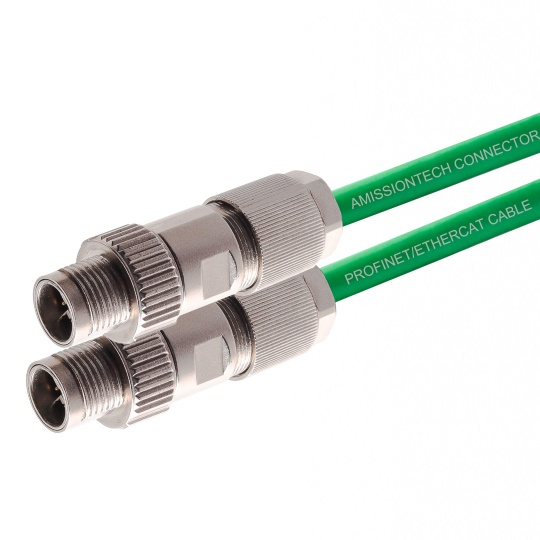
Industrial cable components are the backbone of reliable and efficient connectivity in industrial automation, robotics, and machinery. Engineered to withstand harsh environments while ensuring seamless data transmission and power delivery.
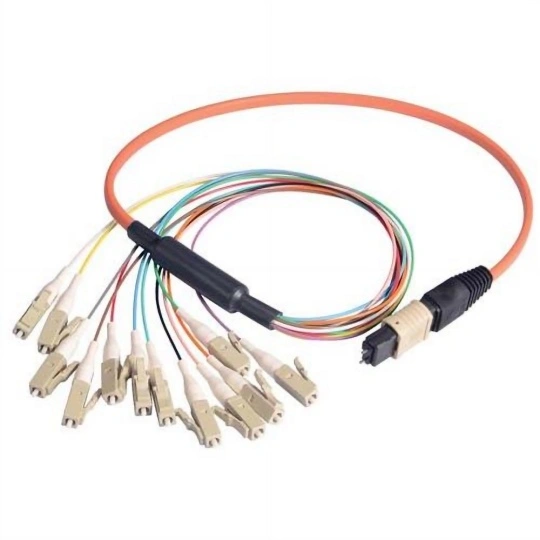
Heavy machinery cable assemblies are robust, high-performance connectivity solutions engineered to meet the demanding requirements of industrial and heavy-duty applications. Designed for durability, reliability, and optimal performance in.
Feel free to reach out to us for any inquiries or orders.