Industrial Cable Assemblies-Industrial Cable Assemblies factory
The aerospace industry stands as a pinnacle of technological precision, where every component plays a critical role in ensuring safety, reliability, and performance. Among these components, industrial cables are the unsung heroes that facilitate the seamless transmission of power, data, and signals across aircraft, spacecraft, and related systems. Unlike standard industrial cables, those designed for aerospace applications must meet extraordinarily stringent requirements to withstand the harshest operating environments and adhere to rigorous industry standards.
Aerospace environments are characterized by extreme conditions that demand cables with exceptional durability and functionality. One of the primary requirements is temperature resistance. Aerospace cables must operate reliably in a wide temperature range, from the frigid cold of high-altitude flight (as low as -65°C) to the intense heat generated by engine compartments or re-entry into the Earth’s atmosphere (exceeding 200°C). This necessitates the use of advanced insulation and jacketing materials that maintain their structural integrity and electrical properties under such extremes.
Another critical factor is weight reduction. In aerospace, every gram matters, as excess weight directly impacts fuel efficiency, payload capacity, and overall performance. Aerospace industrial cables are therefore engineered using lightweight materials, such as aluminum conductors instead of traditional copper (in specific low-power applications) and thin, high-strength insulation. This balance between weight and performance is a key differentiator from standard industrial cables.
Electromagnetic interference (EMI) shielding is also paramount. Modern aircraft and spacecraft are equipped with a multitude of electronic systems, from navigation and communication to avionics and control systems. Uncontrolled EMI can disrupt these systems, leading to critical failures. Aerospace cables feature robust EMI shielding, often using materials like braided copper or aluminum, to prevent signal interference and ensure clear, uninterrupted data and power transmission.
Additionally, mechanical durability cannot be overlooked. Aerospace cables are subjected to constant vibration, flexing, and exposure to harsh chemicals (such as jet fuel and hydraulic fluids) and environmental factors (like moisture and UV radiation). They must resist abrasion, cuts, and degradation to maintain performance throughout the lifespan of the aerospace vehicle, which can span decades.
Aerospace industrial cables come in various types, each tailored to specific applications within the aerospace ecosystem. Power cables are designed to transmit high levels of electrical power to critical systems, such as engines, landing gear, and environmental control units. These cables feature thick conductors and durable insulation to handle high current loads while withstanding temperature fluctuations.
Data and signal cables are essential for the transmission of sensitive information between avionics systems, flight control computers, and communication devices. These cables prioritize signal integrity, with twisted pairs or coaxial designs to minimize EMI and ensure accurate data transfer. They are used in applications such as GPS navigation, radar systems, and in-flight entertainment.
Thermocouple cables are specialized for temperature measurement in extreme environments, such as engine exhausts and combustion chambers. These cables are constructed using specific alloy combinations that generate a voltage proportional to temperature differences, enabling precise temperature monitoring critical for engine performance and safety.
High-temperature cables are used in areas with extreme heat, such as near engines or re-entry vehicles. They utilize advanced materials like ceramic fiber insulation or PEEK (polyetheretherketone) jacketing, which can withstand temperatures well above 300°C without degradation.
To ensure the reliability and safety of aerospace industrial cables, they must comply with strict industry standards. Organizations such as the Society of Automotive Engineers (SAE), the International Electrotechnical Commission (IEC), and the Federal Aviation Administration (FAA) set forth rigorous specifications for cable design, materials, testing, and performance. For example, SAE AS22759 outlines requirements for aerospace-grade insulated electric cables, covering aspects like conductor size, insulation thickness, temperature rating, and flame resistance.
Compliance with these standards involves extensive testing, including temperature cycling, flame resistance, EMI shielding effectiveness, mechanical flexing, and chemical resistance. Only cables that pass these rigorous tests are certified for use in aerospace applications, providing manufacturers and operators with the confidence that the cables will perform reliably under the most demanding conditions.
When it comes to industrial cables for aerospace, precision, reliability, and compliance are non-negotiable. FRS brand factory understands the unique challenges of the aerospace industry and is committed to delivering high-quality, aerospace-grade cables that meet and exceed global standards. With years of expertise in materials science and cable engineering, FRS designs and manufactures cables tailored to the most demanding aerospace applications, from commercial aircraft to spacecraft and defense systems.
FRS cables are engineered using the latest lightweight, high-temperature, and EMI-shielding materials, ensuring optimal performance while reducing weight and enhancing safety. Each cable undergoes rigorous testing in state-of-the-art facilities to ensure compliance with SAE, IEC, and FAA standards, guaranteeing reliability in even the harshest environments. Whether you need power cables for aircraft engines, data cables for avionics systems, or high-temperature cables for space exploration, FRS has the solution to meet your aerospace needs. Choose FRS for aerospace industrial cables that power innovation and safety in the sky and beyond.
Our factory offers high-quality products at competitive prices
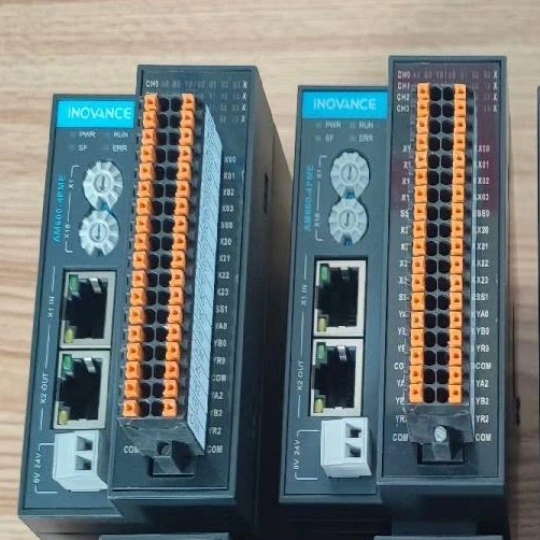
Meta Description: Discover high-performance industrial control cable module components designed for seamless automation, harsh environments, and superior connectivity. Explore specs, certifications, and applications. H2: Industrial Con.
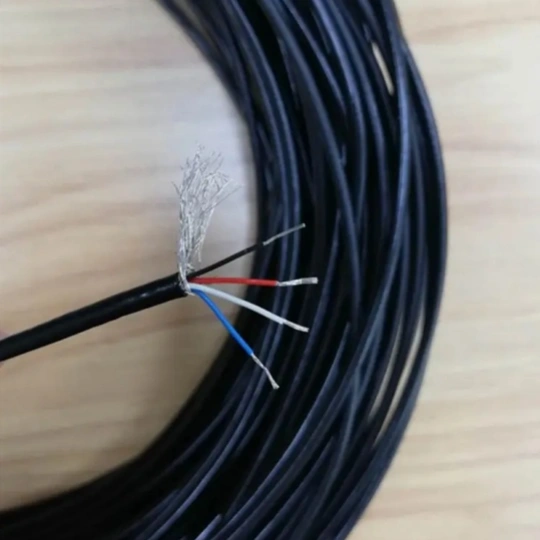
Ensure reliable power transmission and long-lasting performance in the harshest conditions with our High-Temperature Resistant Cable Accessories. Engineered to withstand extreme heat, these premium-grade accessories are designed to prote.
Feel free to reach out to us for any inquiries or orders.