Industrial Cable Assemblies-Industrial Cable Assemblies factory
Mineral-Insulated (MI) cables are a specialized type of electrical cable renowned for their exceptional durability and safety features, making them indispensable in various high-demand industries. Unlike traditional cables that rely on organic insulators, MI cables use inorganic materials, which endow them with unique properties capable of withstanding extreme environmental conditions. This article delves into the core characteristics, advantages, applications, and key considerations of MI cables, providing valuable insights for professionals and enthusiasts seeking reliable electrical wiring solutions.
The robust performance of MI cables stems from their well-engineered three-layer structure. The innermost part is the conductor, typically made of high-purity copper or nickel-copper alloy. Copper conductors are preferred for their excellent electrical conductivity, while nickel-copper alloys are chosen for applications requiring enhanced corrosion resistance and mechanical strength. Surrounding the conductor is the insulation layer, composed of compacted magnesium oxide (MgO) powder. MgO is an inorganic mineral with outstanding thermal stability, electrical insulation properties, and non-combustibility, ensuring the cable remains functional even at extremely high temperatures. The outermost layer is the sheath, usually crafted from copper or stainless steel. The copper sheath offers good conductivity and malleability, while stainless steel sheaths excel in harsh environments with high corrosion, abrasion, or chemical exposure.
The unique properties of MI cables make them versatile across a wide range of industries:
While MI cables offer numerous advantages, proper installation and maintenance are crucial to maximize their performance. During installation, it is important to avoid excessive bending, as the metal sheath and MgO insulation can crack if bent beyond the recommended radius. Specialized connectors and terminations designed for MI cables should be used to ensure a secure and moisture-tight connection, as moisture absorption by MgO can reduce insulation resistance. Regular inspection of the sheath for damage (such as dents or cracks) and periodic testing of insulation resistance are recommended to identify potential issues early. Additionally, when installing in cold environments, preheating the cable may be necessary to maintain flexibility.
When it comes to sourcing high-quality Mineral-Insulated (MI) cables, FRS brand factory stands out as a trusted partner. With years of expertise in manufacturing electrical cables, FRS adheres to strict international standards (such as IEC, UL, and GB) throughout the production process, from selecting premium raw materials to conducting rigorous quality control tests. FRS MI cables feature uniform conductor resistance, dense MgO insulation, and seamless metal sheaths, ensuring consistent performance and long-term reliability. Whether for industrial, building, marine, or aerospace applications, FRS offers customized MI cable solutions tailored to meet specific project requirements. Backed by professional technical support and efficient after-sales service, FRS is committed to providing customers with safe, durable, and cost-effective MI cable products. Choose FRS, and experience the peace of mind that comes with superior quality.
Our factory offers high-quality products at competitive prices
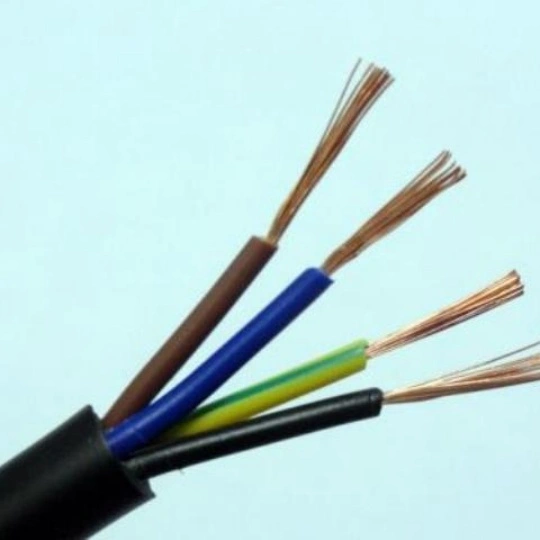
Meta Description: Discover the ultimate Protective Cable Kit designed to safeguard your cables from wear, tangles, and damage. Perfect for home, office, and industrial use. Shop now for long-lasting cable management! Protecti.
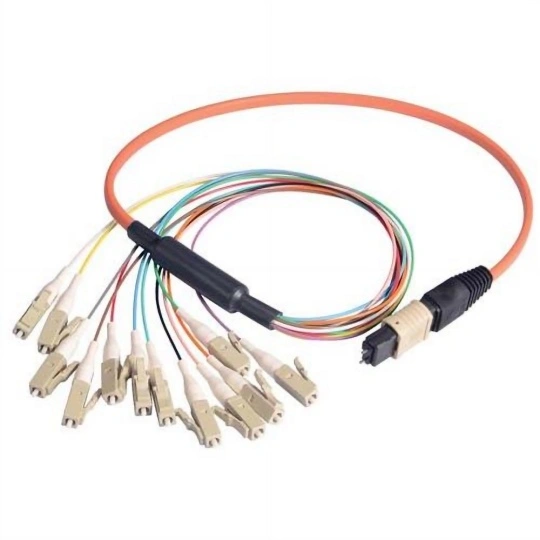
Heavy machinery cable assemblies are robust, high-performance connectivity solutions engineered to meet the demanding requirements of industrial and heavy-duty applications. Designed for durability, reliability, and optimal performance in.
Feel free to reach out to us for any inquiries or orders.