Industrial environments are notoriously harsh. From factory floors and chemical plants to offshore rigs and outdoor machinery, cables face relentless assault from physical forces, chemicals, temperature extremes, moisture, UV radiation, and abrasion. Failure to adequately protect these critical components leads to costly downtime, safety hazards, and frequent replacements. Understanding and implementing robust protection strategies for your cable assemblies is paramount for ensuring operational continuity and maximizing your return on investment. Here’s how to shield your vital connections:
Robust Outer Jackets: Select cables with heavy-duty jacketing materials like Polyurethane (PUR) or Thermoplastic Elastomer (TPE), known for exceptional abrasion resistance and cut-through strength.
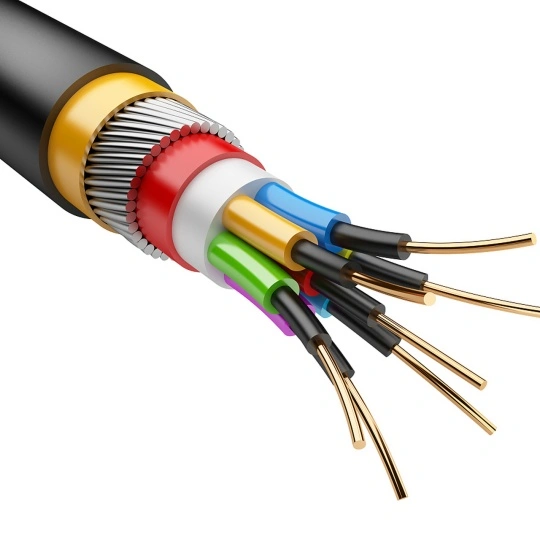
Armoring: Employ steel wire armor (SWA), braided shielding (tinned copper or stainless steel), or corrugated metal conduits for the highest level of crush resistance, impact protection, and rodent deterrence. Rigid conduit offers excellent physical shielding.
Protective Sleeving: Utilize loom, braided sleeving (PET, fiberglass), or spiral wrap over cables in high-traffic or pinch-point areas for added abrasion resistance.
Strategic Routing & Strain Relief: Secure cables away from moving parts, sharp edges, or high-traffic zones. Always use strain relief clamps or glands where cables enter equipment to prevent pulling stress on connections. Cable trays and protective raceways are essential.
Chemical-Resistant Jacketing: Prioritize materials specifically engineered for chemical resistance:
CPE (Chlorinated Polyethylene): Excellent all-around resistance to oils, acids, alkalis, and ozone.
PUR (Polyurethane): Superior resistance to oils, fuels, and many solvents, plus outstanding abrasion resistance. Susceptible to strong acids/alkalis/hot water hydrolysis.
Nylon Overjackets: Often applied over PVC or other materials to provide a tough, protective barrier against oils and chemicals.
Teflon®/PTFE/FEP: Offers the most extreme chemical inertness and high-temperature stability, but at a higher cost.
Sealed Connections: Use IP-rated (Ingress Protection) connectors and cable glands (e.g., IP67, IP68, IP69K) to prevent hazardous liquids from penetrating connection points. Ensure proper gland selection and installation techniques.
3. Shield from Temperature Extremes & UV Radiation
High/Low-Temp Cable Ratings: Choose cables explicitly rated for your operational temperature range, both high and low. Look at continuous operating temperature and short-term thermal overload ratings.
Cold: PUR, TPEs specifically formulated for low-temperature flexibility, some specialized PVCs.
Thermal Insulation/Sleeving: Use high-temp fiberglass sleeves, ceramic fiber blankets, or thermal pipe insulation in extreme environments (e.g., near engines, furnaces) to shield cables from direct radiant heat.
UV-Stabilized Jackets: Mandatory for any outdoor exposure. Materials like sunlight-resistant PVC, XLPE (Cross-linked Polyethylene), HDPE (High-Density Polyethylene), and black UV-stabilized TPE/PUR offer excellent long-term UV protection, preventing cracking and brittleness.
4. Prevent Moisture & Contaminant Ingress
Conquer: Water, humidity, salt spray, dirt, dust.
Solutions:
High IP-Rated Connections: As crucial as cable choice, connectors and cable glands must match the environmental needs (IP67 – temporary immersion, IP68 – prolonged immersion, IP69K – high-pressure/steam cleaning). Opt for environmentally sealed connectors. Glands must be correctly sized and tightened.
Moisture-Blocking Materials: Consider cables with water-blocking features like gel-filled insulation, hydrophobic powders, or tapes to prevent longitudinal water migration within the cable structure.
Jacket Sealing: Ensure the cable jacket material itself provides a solid barrier against water and moisture vapor transmission. Low water absorption materials are key.
Conformable Sealing: In challenging sealing situations, use Mastic sealing tape or silicone sealing putty to create effective seals around glands and conduit entries.
Professional Installation: Trained technicians using correct bending radii (never kink!), tension limits, and proper support (trays, clamps spaced correctly) prevent immediate and long-term damage. Avoid sharp bends exceeding the cable’s minimum bend radius.
Regular Visual Inspections: Schedule proactive checks for signs of outer jacket wear, cracking, cuts, abrasion, kinking, chemical swelling, or connector corrosion. Early detection prevents catastrophic failure.
Preventive Replacement: For critical applications in harsh environments, replace cables based on service life estimates and inspection results before they fail. Don’t wait for a breakdown.
Training: Ensure personnel handling and installing cables understand the importance of protection measures and proper techniques.
Conclusion: An Investment in Reliability
Protecting industrial cable assemblies from environmental damage isn’t an afterthought – it’s a core requirement for operational safety, efficiency, and cost management. By strategically selecting cables with the right construction and jacket materials (considering abrasion, chemicals, temperature, UV), implementing robust physical protection (conduit, sleeving, armor), ensuring sealed connections with appropriate IP-rated hardware, and adhering to best practices in installation and maintenance, you build resilient infrastructure capable of withstanding the toughest conditions. This layered, proactive approach safeguards your assets and ensures your operations run smoothly, minimizing costly downtime and maximizing productivity. View this protection as a critical investment in the reliability and longevity of your entire system.
Industrial cables are the “nervous system” of automated systems—powering motors, transmitting sensor data, and enabling communication between controllers. Poor cable selection can lead to system malfunctions, unplanned downt...
Selecting the right industrial cable for high-voltage applications is a critical decision that directly impacts operational safety, efficiency, and reliability. High-voltage environments, typically defined as applications involving 1kV ...
Ensuring your industrial cable assemblies comply with the Restriction of Hazardous Substances (RoHS) directives is crucial for market access (especially in the EU, UK, China, and others) and demonstrating environmental responsibility. N...
In the complex ecosystem of industrial operations, where machinery, sensors, controllers, and communication systems work in tandem, the reliability of data transmission and electrical signal integrity is non-negotiable. One component th...
In the complex ecosystem of industrial infrastructure, two types of cables play pivotal roles in ensuring seamless operations: industrial power cables and control cables. While both are integral to industrial setups, they serve distinct...
Industrial cable assemblies are critical for reliable power and signal transmission in harsh environments. Whether for automation, robotics, or heavy machinery, selecting the right parameters ensures performance, safety, and longevity. ...
In various industrial settings, the risk of fire is a constant concern. Flame-retardant industrial cables play a crucial role in minimizing this risk by preventing or slowing down the spread of fire, thus safeguarding lives, property, a...
In the era of Industry 4.0, automated systems have become the backbone of manufacturing, energy, logistics, and countless other industries. From robotic arms assembling cars on production lines to sensors monitoring oil pipelines and au...
Industrial cables are the lifeline of modern manufacturing, construction, and infrastructure projects—powering machinery, transmitting data, and ensuring operational safety. For businesses and procurement teams, finding wholesale source...
The choice between copper and aluminum as conductive materials for cables has shaped the electrical and telecommunications industries for decades. As technology evolves and sustainability becomes a priority, understanding the properties...
Tidal energy is a predictable and clean form of renewable power, but its marine environment—with high salinity, strong currents, and constant vibration—demands cabling systems that go beyond standard industrial specs. This is where cust...
Customizing industrial cable assemblies is essential for meeting specific application demands, but balancing performance requirements with budget constraints remains a critical challenge. Achieving this balance requires careful consider...
Food processing plants operate in uniquely challenging environments—where high moisture, extreme temperatures, frequent washdowns, and strict hygiene standards converge. In such settings, the industrial cables that power machinery, conv...
Industrial cables are the “blood vessels” of industrial systems, transmitting power and signals to ensure the stable operation of equipment. Their grades are strictly classified based on application environments, safety requ...
IntroductionThe global shift toward renewable energy is accelerating, driven by climate goals, technological advancements, and government incentives. As solar, wind, and energy storage projects expand, the demand for specialized cable ...
In industrial automation, RFID (Radio Frequency Identification) readers play a critical role in asset tracking, inventory management, and process control. However, the performance of RFID readers heavily relies on industrial cable assem...
Industrial cables are the lifelines of manufacturing plants, power stations, and heavy machinery, transmitting electricity and data to keep operations running smoothly. However, constant exposure to harsh environments—such as extreme te...
Rodent damage to industrial cables is a persistent and costly problem for manufacturing plants, power facilities, and logistics hubs. Mice, rats, and squirrels have incisors that grow continuously—they gnaw on cable insulation and condu...
Overmolded industrial cable assemblies represent a significant advancement in connectivity solutions for demanding environments. This manufacturing process involves molding a protective layer of thermoplastic or thermoset material direc...
For global buyers, the term “China industrial cable assemblies Manufacturer” often represents a critical decision point. The right partner can ensure product reliability, shorten time-to-market, and reduce long-term costs. This article ...
In high-precision machine vision applications, even a minor cable issue can lead to image artifacts, data loss, and costly downtime. As resolutions, frame rates, and system complexity increase, the Multi-layer shielding Camera Link cabl...
In the rapidly advancing global robotics industry—covering industrial automation lines, collaborative robots, precision medical robotics, AGV/AMR logistics equipment, and high-precision servo systems—robotics cable assemblies are far mo...
In modern industrial environments, cables are constantly exposed to lubricants, cutting fluids, fuels, and cleaning agents. Oil resistant industrial cable assembliesare no longer optional in these settings; they are critical for ensurin...
In food processing plants, maintaining stringent hygiene standards is non-negotiable. Equipment must withstand rigorous sanitation protocols, including high-pressure washdowns, extreme temperatures, and exposure to corrosive chemicals. ...
Modern mining relies on a complex ecosystem of powerful, critical equipment operating in some of the planet’s most demanding environments. Safely delivering power, control, and data signals through this rugged landscape is paramou...
The Invisible Crisis
While most consumers worry about plastic bottles and food packaging, discarded cables quietly become one of fastest-growing waste streams. A 2025 Global E-Waste Monitor report reveals that cable waste increased b...
The New Generation of Connected Cables
Major manufacturers (Prysmian, Nexans) and startups (BondWire, NanoCable Tech) are embedding sensors directly into cable structures. These IoT-enabled cables continuously monitor:
Real-time ...
Why Subsea Cables Matter for Data Centers
Over 95% of international data travels through subsea cables – hair-thin fiber optics spanning ocean floors. These cables directly power cloud services by connecting geographically dispersed ...
When it comes to electrical cables, understanding the differences between industrial and marine cables is crucial for selecting the right option for specific applications. While both serve the purpose of transmitting electricity, their ...
Cable systems are the vital circulatory network delivering power and data that keeps our modern world running. Yet, they operate largely out of sight and, too often, out of mind – until disaster strikes. A single cable failure can cripp...
The rapid growth of the electric vehicle (EV) industry is driving unprecedented advancements in cable technology. As automakers and charging infrastructure providers race to meet global demand, innovative cable designs and materials are...
Introduction: Why Robots Break Cables First
In high-speed industrial robotics, the weakest link is often not the motor or gearbox, but the cable system. Robotic arms operating 24/7 in pick-and-place, welding, and assembly lines are ...
In the world of industrial automation, robotics, and heavy machinery, the cable assembly is far more than just a bundle of wires. It is the central nervous system of your equipment, responsible for transmitting power, control signals, a...
When upgrading heavy machinery, the weakest link is often not the engine or hydraulics, but the cable assemblies connecting sensors, actuators, and control systems. Standard M12 industrial cable assemblies can fail prematurely in high-v...
In the realm of heavy-duty industrial applications, the reliability and performance of cable assemblies are of utmost importance. These applications, which include manufacturing, construction, mining, and transportation, demand cable as...
Industrial cables are the backbone of modern industrial operations, responsible for transmitting power, data, and signals across a wide range of machinery, equipment, and systems. Their reliable performance is crucial for ensuring the s...
Industrial cable assemblies are the unsung heroes of modern manufacturing, automation, and infrastructure. They power machinery, transmit critical data, and ensure seamless connectivity in harsh environments. However, selecting the righ...
Meta Description: Discover high-performance industrial control cable module components designed for seamless automation, harsh environments, and superior connectivity. Explore specs, certifications, and applications.
H2: Industrial Con.
In today’s technology-driven world, maintaining uninterrupted signal integrity is critical for industrial, commercial, and residential applications. The Shielded Cable Core is engineered to deliver superior electromagnetic interference .
Contact Us
Feel free to reach out to us for any inquiries or orders.