Industrial Cable Assemblies-Industrial Cable Assemblies factory
Introduction
Cable accessories are critical components in electrical and communication systems, ensuring safe, efficient, and reliable transmission of power or data. Whether you’re an engineer, contractor, or DIY enthusiast, understanding the range of products in cable accessories is essential for selecting the right solutions for your needs. This article explores the key products in cable accessories, their functions, applications, and factors to consider for optimal performance.
What Are They?
Cable joints (splices) and terminations are used to connect cables or link cables to equipment.
Applications: Power grids, underground cabling, industrial plants.
Materials: Heat-shrink, cold-shrink, or pre-molded polymers (EPDM, silicone).
What Are They?
Connectors ensure secure and conductive links between cables and devices.
Key Features: Corrosion resistance, high conductivity (copper/aluminum), and IP ratings for environmental protection.
What Are They?
Cable glands (cable connectors) secure and protect cables where they enter enclosures or machinery.
Applications: Hazardous environments, marine installations, HVAC systems.
What Are They?
These products safeguard cables from physical damage, heat, and electrical faults.
Benefits: Extend cable lifespan, reduce downtime, and enhance safety.
What Are They?
Cleats and clamps secure cables in fixed positions, especially in high-voltage or high-fault current scenarios.
Materials: Non-metallic (PVC) or metallic (aluminum) options.
What Are They?
Ducts and conduits organize and protect cables in underground or exposed installations.
Use Cases: Data centers, road crossings, renewable energy farms.
What Are They?
These devices protect cables and equipment from voltage spikes caused by lightning or switching surges.
Importance: Prevents equipment damage and ensures grid stability.
What Are They?
Specialized products for optical fiber networks:
Key Trends: Demand for high-density, low-loss solutions in 5G and FTTH (Fiber-to-the-Home) networks.
Standards Compliance: Look for IEC, IEEE, or UL certifications.
Voltage Rating: Match accessories to the system’s voltage (e.g., LV, MV, HV).
Environmental Conditions: Consider temperature, moisture, UV exposure, and chemical resistance.
Compatibility: Ensure materials align with cable insulation (XLPE, PVC, etc.).
Our factory offers high-quality products at competitive prices
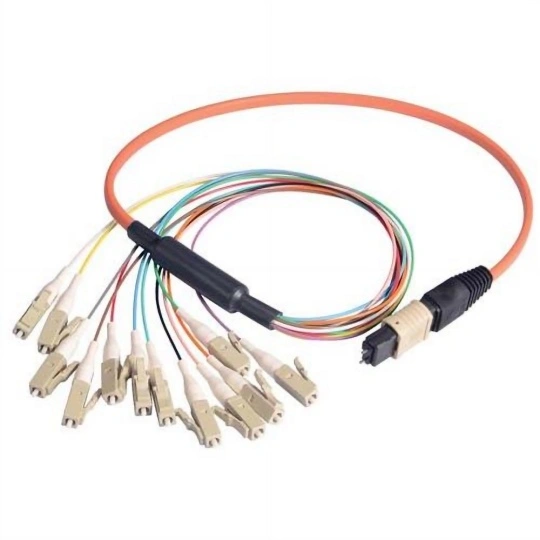
Heavy machinery cable assemblies are robust, high-performance connectivity solutions engineered to meet the demanding requirements of industrial and heavy-duty applications. Designed for durability, reliability, and optimal performance in.
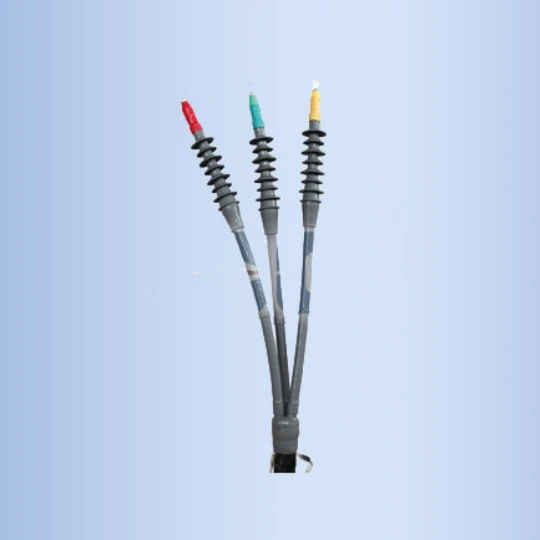
When it comes to electrical systems operating under extreme mechanical and electrical stress, high-load cable terminations are critical components that ensure seamless power transmission, safety, and system longevity. Engineered to .
Feel free to reach out to us for any inquiries or orders.