
Industrial Cable Assemblies-Industrial Cable Assemblies factory
An oil-resistant industrial cable assembly is a complete, factory-terminated cable solution. It’s engineered to reliably transmit power, data, or signals in environments contaminated with oils, lubricants, coolants, or fuels. Unlike standard cables that quickly fail when exposed to these substances, its specialized construction ensures long-term performance and safety.
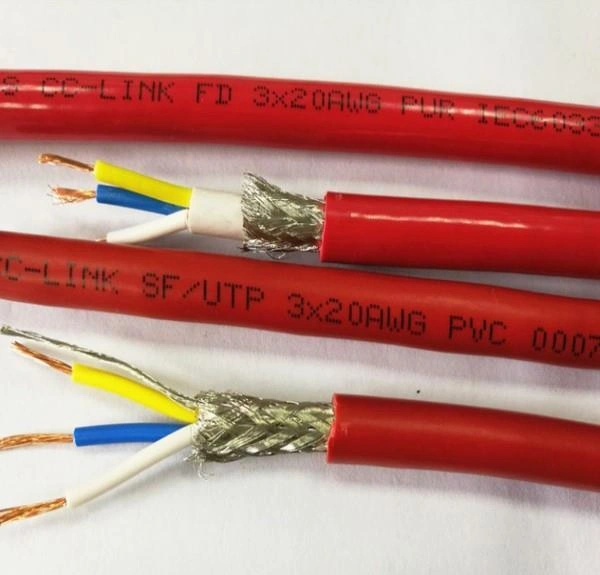
When evaluating an oil-resistant industrial cable assembly, focus on these key specifications:
| Parameter | Why It Matters | Typical Specs / Notes |
|---|---|---|
| Conductor Size (AWG/mm²) | Determines current-carrying capacity and voltage drop. | Power cables: 18–2 AWG. Signal/data: 26–22 AWG. |
| Voltage Rating | Must exceed the system’s operating voltage with a safety margin. | Control: 300/500/600V. Power: 0.6/1kV, 3.6/6kV, 6/10kV. |
| Temperature Range | Ensures performance in hot (near motors/pumps) or cold environments. | PVC: -20°C to +80°C. PUR: -40°C to +90°C. High-temp rubber: up to +125°C. |
| Oil & Chemical Resistance | Defines the type of oil the cable can withstand. | Tested to IEC/EN 60811-404.Look for markings like “Oil Res. I/II”. |
| Flex Life & Bend Radius | Critical for cables in motion (robots, drag chains). | Static:4–8× cable diameter. Dynamic:8–10× cable diameter. High-flex cables can last >1.5M cycles. |
| Shielding & EMI Performance | Vital for data integrity in electrically noisy industrial settings. | Data Cables:Foil + braid for >85-95% coverage. Power Cables:May be unshielded. |
| Ingress Protection (IP/NEMA) | Protects against dust and water ingress in washdown or outdoor areas. | IP65:Dust-tight, water jet. IP67:Dust-tight, temporary immersion. IP68:Dust-tight, continuous immersion. |
| Standards & Certifications | Ensures global compliance, safety, and quality. | Electrical:UL, CSA, IEC, EN. Environmental:RoHS, REACH. Hazardous Areas:ATEX, IECEx. |
The core difference lies in the jacket and insulation materials. Standard cables (e.g., ordinary PVC) will degrade when exposed to oils, becoming soft, swollen, and brittle, leading to premature failure. Oil-resistant cables use specialized compounds that maintain their integrity.
| Feature | Oil-Resistant Cable | Standard Industrial Cable |
|---|---|---|
| Jacket/Insulation | NBR, CR, FKM, oil-resistant PVC, PUR | Ordinary PVC, PE |
| Oil Exposure | Maintains flexibility and integrity | Swells, softens, cracks, and degrades |
| Lifespan | Significantly longer in oily environments | Shortens dramatically |
| Cost | Higher initial cost | Lower initial cost |
| Best For | Dynamic, oily, or harsh environments | Clean, dry, static indoor environments |
Follow this practical checklist to specify the correct cable for your project:
An oil-resistant industrial cable assembly is a critical component for ensuring uptime and safety in demanding industrial environments. By moving beyond a generic “oil-resistant” claim and focusing on the detailed specifications—materials, electrical ratings, flex life, and certifications—you can select a solution that delivers superior reliability and a lower total cost of ownership.
For expert assistance in specifying the optimal cable assembly for your unique application, contact our engineering team for a detailed technical review and customized quotation.
Our factory offers high-quality products at competitive prices
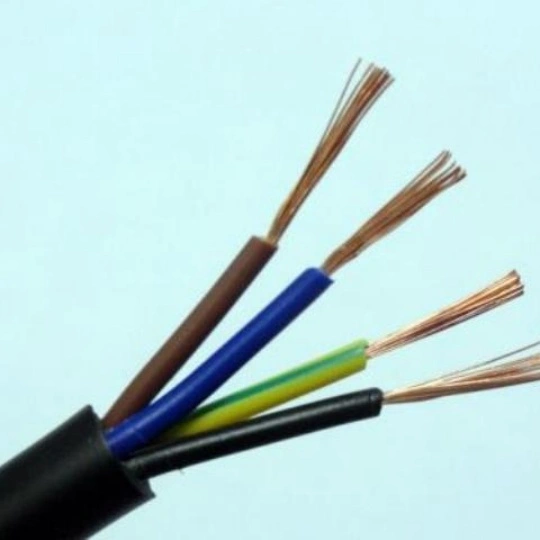
Meta Description: Discover the ultimate Protective Cable Kit designed to safeguard your cables from wear, tangles, and damage. Perfect for home, office, and industrial use. Shop now for long-lasting cable management! Protecti.
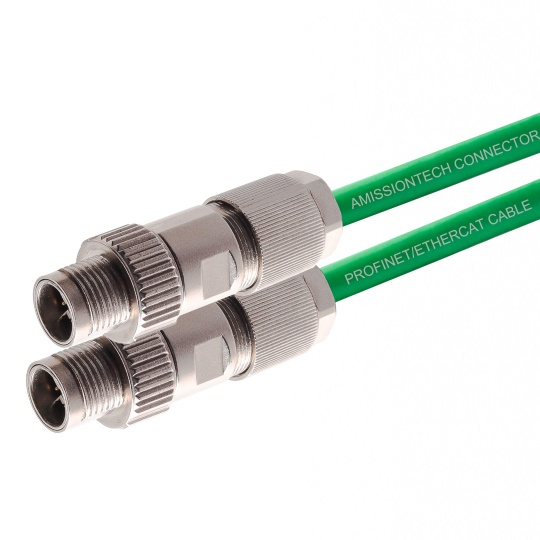
Industrial cable components are the backbone of reliable and efficient connectivity in industrial automation, robotics, and machinery. Engineered to withstand harsh environments while ensuring seamless data transmission and power delivery.
Feel free to reach out to us for any inquiries or orders.