Industrial Cable Assemblies-Industrial Cable Assemblies factory
In the complex infrastructure of modern industry, high-voltage industrial cables serve as the lifeline for transmitting large amounts of electrical energy, powering everything from manufacturing plants and power stations to mining operations and renewable energy facilities. However, unlike low-voltage cables, these high-voltage counterparts face unique and demanding challenges that make special insulation not just a technical requirement but a critical safeguard for safety, performance, and longevity. Understanding why high-voltage industrial cables need this specialized insulation is essential for industries that rely on uninterrupted and secure power transmission.
At the core of the issue is the fundamental nature of high-voltage electricity. When voltages rise above a certain threshold—typically 1kV and often reaching tens or even hundreds of kilovolts in industrial settings—the behavior of electricity changes dramatically. Low-voltage cables can rely on relatively simple insulation materials to prevent current leakage and short circuits, but high-voltage systems exert intense electrical stress on the insulation, creating risks that ordinary materials cannot mitigate. From dielectric breakdown to thermal degradation, the challenges are multifaceted, requiring insulation solutions engineered to withstand extreme conditions.
The most critical function of insulation in high-voltage industrial cables is to resist dielectric breakdown. Dielectric breakdown occurs when the electrical stress applied to an insulating material exceeds its ability to resist, causing it to suddenly lose its insulating properties and become conductive. This phenomenon can lead to catastrophic failures, including arcing, short circuits, and even explosions—posing severe risks to personnel, equipment, and the entire industrial operation.
Ordinary insulation materials, such as basic rubber or PVC used in low-voltage cables, have low dielectric strength. Dielectric strength is measured as the maximum voltage a material can withstand per unit thickness before breaking down. For high-voltage applications, where voltages can reach 69kV, 138kV, or higher, the dielectric strength of standard materials is insufficient. Specialized insulation materials, such as cross-linked polyethylene (XLPE), ethylene propylene rubber (EPR), or paper-oil composites, are designed with significantly higher dielectric strength. For example, XLPE has a dielectric strength of approximately 20-30 kV/mm, compared to just 10-15 kV/mm for conventional PVC. This enhanced dielectric strength ensures that the insulation can endure the intense electrical stress of high-voltage systems without failing.
Moreover, dielectric breakdown is not just a one-time event triggered by peak voltage. High-voltage industrial cables often experience transient voltage spikes—caused by lightning strikes, switching operations, or power system disturbances—that can temporarily exceed the normal operating voltage. Special insulation must be able to absorb these spikes without compromising its integrity, providing a buffer against unexpected electrical surges.
High-voltage industrial cables carry large currents, which generate significant heat due to electrical resistance—a phenomenon known as Joule heating. The higher the current and voltage, the more heat is produced. If this heat is not effectively managed, it can degrade the insulation material over time, reducing its dielectric strength and increasing the risk of breakdown. Additionally, industrial environments themselves often expose cables to high ambient temperatures, such as in steel mills, refineries, or power plants, further exacerbating thermal stress.
Special insulation for high-voltage cables is engineered to have excellent thermal stability and heat resistance. Materials like XLPE and EPR have high melting points and low thermal conductivity, meaning they can withstand elevated temperatures without softening, melting, or decomposing. XLPE, for instance, maintains its structural and insulating properties at temperatures up to 90°C for continuous operation, with short-term overload capabilities up to 130°C. This thermal resilience ensures that the insulation remains effective even under prolonged heat exposure, extending the cable’s service life and reducing the need for costly replacements.
Furthermore, some high-voltage cable designs incorporate additional thermal management features within the insulation system, such as semi-conductive screens or cooling channels. These elements help dissipate heat away from the conductor and insulation, preventing hotspots that could accelerate degradation. Without this specialized thermal engineering, the insulation would degrade rapidly, leading to frequent cable failures and unplanned downtime—an expensive and risky outcome for industrial operations.
High-voltage industrial cables are deployed in some of the harshest environments imaginable. They may be buried underground, submerged in water (e.g., in offshore wind farms), exposed to UV radiation (in outdoor installations), or surrounded by corrosive chemicals (in refineries or chemical plants). Ordinary insulation materials are highly susceptible to degradation in these conditions, but special insulation is formulated to resist environmental and chemical stressors.
For example, underground cables face threats from moisture, soil chemicals, and physical damage. XLPE insulation is inherently water-resistant, preventing moisture ingress that could cause dielectric breakdown or corrosion of the conductor. In contrast, PVC insulation absorbs water over time, leading to swelling and reduced performance. For offshore or marine applications, EPR insulation is often preferred due to its excellent resistance to saltwater and marine organisms. In chemical plants, insulation materials may be treated with special additives to resist oils, solvents, and corrosive gases.
UV radiation is another major concern for outdoor cables. Exposure to sunlight can cause ordinary insulation to become brittle, crack, and lose its insulating properties. Specialized insulation for outdoor high-voltage cables includes UV stabilizers that prevent photo-oxidation, ensuring the material remains flexible and effective even after years of exposure to the elements. Without this protection, outdoor cables would require frequent maintenance or replacement, increasing operational costs and downtime.
In high-voltage insulation systems, partial discharges (PDs) are a silent threat to long-term reliability. Partial discharges are localized electrical discharges that occur within small voids, cracks, or imperfections in the insulation material. Unlike full dielectric breakdown, PDs do not immediately cause the cable to fail, but they gradually erode the insulation over time—enlarging voids and weakening the material until breakdown eventually occurs.
Ordinary insulation materials are prone to developing voids during manufacturing or installation, making them susceptible to partial discharges. Specialized insulation for high-voltage industrial cables is produced with strict quality control to minimize voids and imperfections. For example, XLPE is manufactured using a cross-linking process that eliminates air bubbles and creates a homogeneous structure, reducing the likelihood of PDs. Additionally, some insulation systems incorporate semi-conductive layers that help distribute electrical stress evenly across the insulation, preventing the concentration of stress in localized areas where PDs are likely to initiate.
Monitoring partial discharges is a key part of maintaining high-voltage cable systems, but the insulation itself must be designed to resist PD activity in the first place. Specialized materials with low PD inception voltage—the voltage at which partial discharges begin—ensure that the cable can operate safely for decades without significant insulation degradation.
Beyond performance and reliability, special insulation in high-voltage industrial cables is a critical safety measure. High-voltage electricity is lethal to humans, and a failure in insulation can expose personnel to the risk of electric shock or arc flash. Arc flash, in particular, is a violent release of energy caused by a short circuit, producing intense heat (up to 20,000°C), pressure waves, and flying debris. It can cause severe burns, blindness, and even death, as well as extensive damage to nearby equipment.
Specialized insulation acts as a barrier between the high-voltage conductor and the external environment, preventing accidental contact with live parts. Additionally, some insulation systems are designed to contain arc flash in the event of a failure, limiting the spread of damage. For example, armored high-voltage cables with reinforced insulation can withstand the pressure and heat of an arc flash, reducing the risk to personnel and minimizing equipment damage.
In industrial settings, compliance with safety standards is non-negotiable. Organizations such as the International Electrotechnical Commission (IEC), the National Electrical Code (NEC), and the Institute of Electrical and Electronics Engineers (IEEE) have strict requirements for high-voltage cable insulation. These standards specify minimum dielectric strength, thermal resistance, and environmental performance criteria that only special insulation materials can meet. Using cables with non-compliant insulation not only violates safety regulations but also exposes the company to legal liability and reputational damage.
High-voltage industrial cables are often subjected to significant mechanical stress during installation and operation. They may be pulled through conduits, buried under heavy soil, or suspended over long distances (e.g., in overhead power lines for industrial complexes). Ordinary insulation materials are flexible but lack the mechanical strength to withstand these stresses, leading to cracks, tears, or damage to the insulation layer.
Special insulation for high-voltage cables is reinforced to provide excellent mechanical durability. For example, XLPE insulation is cross-linked, which creates a three-dimensional molecular structure that is much stronger and more resistant to stretching, tearing, and impact than linear polymers. EPR insulation, while highly flexible, also has good tensile strength and abrasion resistance. In some cases, the insulation is further protected by a jacket or armor layer (made of steel or aluminum), but the insulation itself must be able to withstand the initial mechanical stress of installation and ongoing operational demands.
Mechanical damage to insulation is a common cause of cable failures. Even a small crack in the insulation can allow moisture or contaminants to enter, leading to dielectric breakdown or corrosion. Specialized insulation’s mechanical resilience minimizes this risk, ensuring that the cable remains intact even in harsh installation environments.
The importance of special insulation in high-voltage industrial cables cannot be overstated—it is the foundation of safety, reliability, and performance in critical industrial operations. At FRS, we understand these challenges firsthand, and we have dedicated decades to engineering high-voltage industrial cables with insulation solutions that exceed industry standards and customer expectations.
As a leading manufacturer of high-voltage industrial cables, FRS combines cutting-edge technology with rigorous quality control to produce cables that withstand the most demanding conditions. Our cables feature specialized insulation materials, including XLPE and EPR, engineered for superior dielectric strength, thermal stability, environmental resistance, and mechanical durability. Each cable undergoes extensive testing—from dielectric breakdown tests and partial discharge measurements to thermal cycling and environmental exposure trials—to ensure it meets or exceeds IEC, NEC, and IEEE standards.
Whether your application requires underground cables for power distribution, subsea cables for offshore wind farms, or rugged cables for mining and manufacturing, FRS has the expertise and product range to deliver tailored solutions. We work closely with our customers to understand their unique operational needs, providing cables that minimize downtime, reduce maintenance costs, and ensure the safety of personnel and equipment.
When you choose FRS high-voltage industrial cables, you are not just investing in a product—you are investing in peace of mind. Our commitment to innovation, quality, and customer satisfaction has made us a trusted partner for industries worldwide. Experience the difference that specialized insulation and engineering excellence can make—choose FRS for your high-voltage cable needs today.
Our factory offers high-quality products at competitive prices
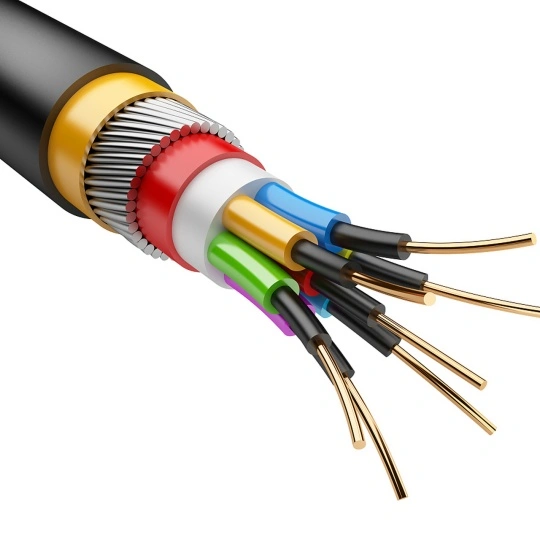
In today’s technology-driven world, maintaining uninterrupted signal integrity is critical for industrial, commercial, and residential applications. The Shielded Cable Core is engineered to deliver superior electromagnetic interference .
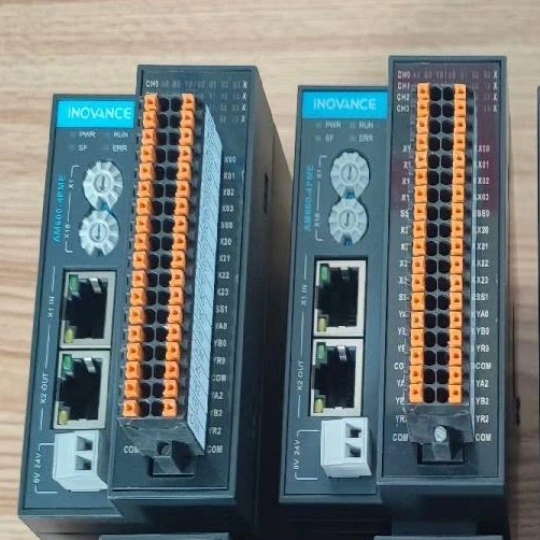
Meta Description: Discover high-performance industrial control cable module components designed for seamless automation, harsh environments, and superior connectivity. Explore specs, certifications, and applications. H2: Industrial Con.
Feel free to reach out to us for any inquiries or orders.