Industrial Cable Assemblies-Industrial Cable Assemblies factory
The medical industry operates on a foundation of precision, safety, and accountability—where even minor component failures can lead to life-threatening consequences. Industrial cables, though often overlooked, are the “nervous system” of medical equipment: they transmit power to surgical tools, carry critical data from patient monitors, and connect imaging devices like MRIs and CT scanners. Certification for these cables is not a bureaucratic formality but a non-negotiable safeguard that addresses the industry’s most pressing needs. Below is a breakdown of its irreplaceable role:
Medical environments expose cables to extreme conditions: frequent sterilization with harsh chemicals (e.g., hydrogen peroxide), constant bending (in portable ultrasound machines), and proximity to sensitive electronic systems. Uncertified cables pose severe safety risks:
Certifications like IEC 60601 (for medical electrical equipment) mandate rigorous testing of insulation integrity, leakage current limits, and biocompatibility—ensuring cables pose no harm to humans.
No medical device (or its components) can enter market circulation without meeting regional and international standards. Industrial cables, as integral parts of these devices, must align with regulations to avoid legal penalties and market exclusion:
Without certification, hospitals cannot legally purchase or use equipment, and manufacturers face recalls or bans.
Medical procedures depend on uninterrupted, precise data transmission. Uncertified cables often fail in key performance areas:
A single cable failure—e.g., a disrupted signal during a cancer radiotherapy session—could lead to misdiagnosis, treatment errors, or costly equipment downtime. Certification eliminates this uncertainty by standardizing performance.
In the event of a medical incident (e.g., a patient injury linked to equipment failure), certified cables provide a clear paper trail. Certification documents confirm that cables were manufactured to industry standards, helping:
Uncertified cables, by contrast, leave both parties vulnerable—without proof of safety, resolving disputes becomes a costly, time-consuming process.
Industrial cable certification in the medical industry is a lifeline: it protects lives, ensures legal compliance, maintains equipment precision, and safeguards against liability. For healthcare providers, manufacturers, and patients alike, certification is not just required—it is the backbone of trust in medical technology.
When it comes to sourcing certified industrial cables for medical applications, FRS brand factory stands out as a reliable partner. FRS strictly adheres to global standards (IEC 60601, FDA 21 CFR, MDR) in every production step, from material selection (biocompatible, halogen-free insulation) to rigorous testing (EMI resistance, flex durability). With FRS cables, medical equipment manufacturers can ensure compliance, enhance device reliability, and ultimately contribute to safer patient care. Choose FRS—where certification meets quality, for the medical industry’s most critical needs.
Our factory offers high-quality products at competitive prices
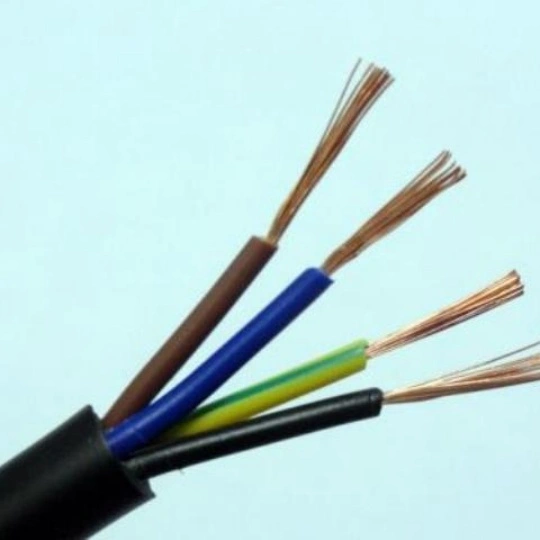
Meta Description: Discover the ultimate Protective Cable Kit designed to safeguard your cables from wear, tangles, and damage. Perfect for home, office, and industrial use. Shop now for long-lasting cable management! Protecti.
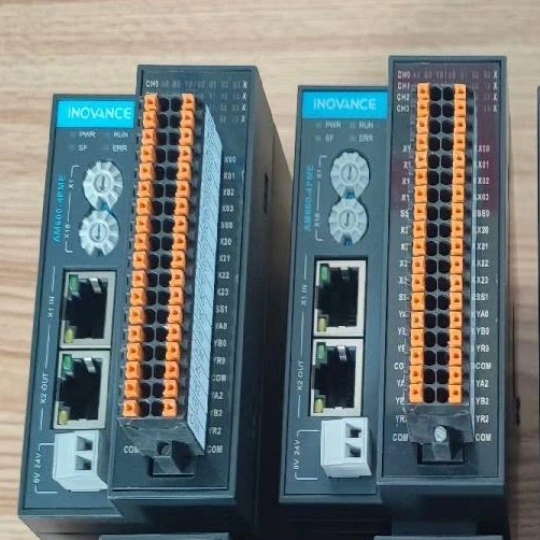
Meta Description: Discover high-performance industrial control cable module components designed for seamless automation, harsh environments, and superior connectivity. Explore specs, certifications, and applications. H2: Industrial Con.
Feel free to reach out to us for any inquiries or orders.