
Industrial Cable Assemblies-Industrial Cable Assemblies factory
Discovering corroded cable assembly connectors can signal impending system failures. Performing a systematic Root Cause Analysis (RCA) is essential to fix the immediate problem and prevent recurrence. Here’s a practical guide:
1. Define the Problem Precisely:
* What: Identify the specific cable assembly, connector type, and location.
* Where: Pinpoint the exact corrosion location (e.g., pins, sockets, housing, strain relief).
* When: Determine when corrosion was first noticed and if it correlates with specific events (e.g., maintenance, environmental changes, water ingress).
* Impact: Document the symptoms or failures observed (e.g., intermittent connection, high resistance, complete signal loss).
2. Collect Concrete Evidence:
* Inspect: Photograph the corrosion thoroughly. Note its color (white, green, blue, red/brown), texture (powdery, crusty, flaky), and extent. Document connector damage like bent pins or cracked housings.
* Environment: Record temperature, humidity levels, and exposure to chemicals (cleaners, solvents), salt spray (coastal/marine), gases (H2S), dust, or potential water ingress points.
* History: Gather maintenance logs, installation dates, connector handling procedures, and any previous cleaning agents used.
3. Identify Potential Root Causes (Use “5 Whys” or Cause-Effect Diagram):
* Environmental Exposure:
* Moisture: Water ingress from damaged seals, inadequate IP rating for the environment, condensation due to temperature cycling.
* Chemicals: Exposure to corrosive cleaning solvents, industrial fumes, battery acid, fertilizers, salts.
* Galvanic Corrosion: Dissimilar connector metals (e.g., aluminum housing, brass contacts) coupled by moisture/electrolyte.
* Material Issues:
* Poor Plating: Thin, porous, or low-quality gold/nickel plating on contacts.
* Degraded Seals/Gaskets: Old, cracked, pinched, or incompatible sealing materials failing to exclude contaminants.
* Plasticizer Outgassing: Plastics releasing corrosive volatiles, degrading adjacent metal components.
* Design/Installation Flaws:
* Improper Drainage: Connectors mounted horizontally instead of vertically (drain hole down).
* Rubbing/Vibration: Contacts wearing through plating due to movement.
* Installation Stress: Bent pins, deformed housings creating entry points for contaminants.
* Operational Issues:
* Handling: Fingerprint salts (sweat) left on contacts.
* Cleaning: Using incompatible or excessively aggressive cleaners.
* Storage: Long-term storage in damp/humid environments.
4. Determine the Root Cause(s):
* Analyze the evidence against the potential causes. Ask “Why?” repeatedly until the fundamental reason surfaces.
* Example Analysis (5 Whys):
* Why is connector A corroded? Moisture ingress past the main seal.
* Why did moisture ingress occur? The main seal was damaged.
* Why was the main seal damaged? It was pinched during the last panel reassembly.
* Why was it pinched? Reassembly was done hastily without proper alignment tools.
* Why was proper alignment lacking? Required tooling wasn’t available, procedure not followed strictly. ROOT CAUSE: Damaged seal due to inadequate procedure/tooling during maintenance.
5. Develop & Implement Corrective Actions:
* Address Root Cause: Fix the fundamental issue (e.g., update maintenance procedures, provide correct tooling, replace damaged seals).
* Material Upgrade: Switch to connectors with higher IP ratings, better plating (thicker gold), compatible housing/seal materials (EPDM vs. Silicone).
* Environmental Protection: Relocate connectors, add drip loops, use protective boots/caps.
* Process Improvement: Implement handling procedures (gloves), specify approved cleaners, ensure proper installation orientation.
* Protective Coatings: Apply compatible conductive corrosion inhibitor grease or protective lacquers sparingly on contacts/housings.
6. Verify Effectiveness:
* Inspect repaired/replaced connectors after a defined period.
* Check environmental sensors/logs.
* Monitor system performance and connection stability.
* Track maintenance records for adherence to new procedures.
Practical RCA Checklist for Corroded Connectors:
| Phase | Key Actions | Practical Documentation |
|---|---|---|
| Problem Definition | • Specify affected connector location • Note environmental conditions • Describe corrosion appearance | • Photos with location markers • Temperature/humidity logs • Contamination incident reports |
| Evidence Collection | • Capture corrosion details • Document physical damage • Record connector material specs | • Macro photography of pins/housing • Connector manufacturer datasheets • Installation torque specifications |
| Cause Identification | • Analyze chemical exposure • Verify seal integrity • Assess operational history | • Chemical compatibility charts • Seal compression force measurements • Maintenance procedure audit records |
| Solution Implementation | • Replace compromised materials • Establish handling protocols • Select protective coatings | • Connector material upgrade list • Glove requirements documentation • Approved corrosion inhibitor list |
| Verification | • Post-repair inspection schedule • Environmental parameter tracking | • 30/60/90-day inspection checklists • Automated environmental monitoring logs |
Example Case: Corrosion on cabinet edge connector pins.
Analysis: Poor seal compression during rainy season installation → moisture ingress → white carbonate/green chloride corrosion on tin-plated pins.
Solution: Replaced connectors with proper tooling + added dielectric grease + installed protective cover.
Key Prevention Measures:
➔ Match connector IP ratings to environment
➔ Use quality plating (e.g., 30µ” Gold over Nickel)
➔ Ensure correct seal installation and maintenance
➔ Apply minimal corrosion-inhibiting compounds
➔ Handle with gloves; keep protective caps installed
By following this structured RCA approach, you transform corrosion problems into opportunities for building more resilient electrical connections.
Our factory offers high-quality products at competitive prices
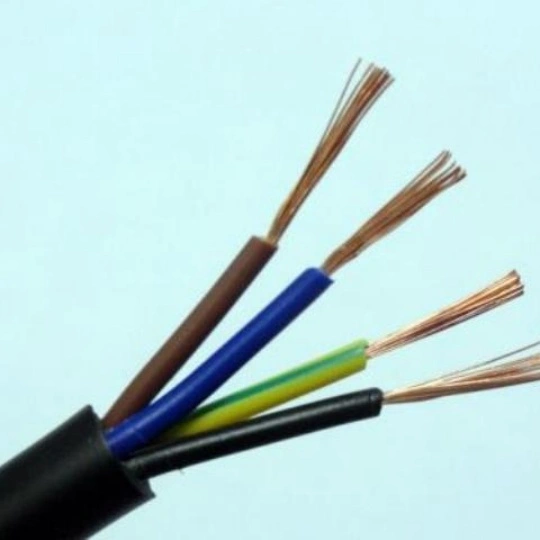
Meta Description: Discover the ultimate Protective Cable Kit designed to safeguard your cables from wear, tangles, and damage. Perfect for home, office, and industrial use. Shop now for long-lasting cable management! Protecti.
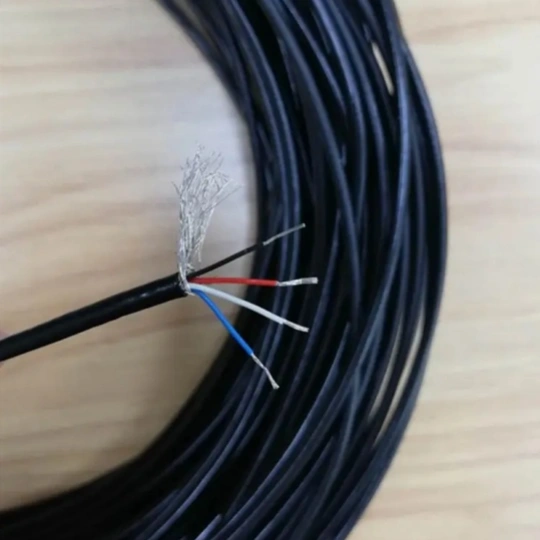
Ensure reliable power transmission and long-lasting performance in the harshest conditions with our High-Temperature Resistant Cable Accessories. Engineered to withstand extreme heat, these premium-grade accessories are designed to prote.
Feel free to reach out to us for any inquiries or orders.