
Industrial Cable Assemblies-Industrial Cable Assemblies factory
How long does an industrial cable typically last in harsh environments? This is a critical question for industries ranging from manufacturing and mining to oil and gas, where cables are exposed to extreme conditions that can significantly shorten their lifespan. Unlike cables in controlled indoor settings, which may last 20 years or more, those in harsh environments face a complex interplay of factors that often limit their operational life to 5 to 15 years—though this range can vary widely based on specific conditions and cable design.
High temperatures, common in steel mills or chemical plants, accelerate the degradation of insulation materials like PVC or rubber, causing them to harden, crack, or lose flexibility. Sustained exposure to temperatures above 90°C (194°F) can reduce a cable’s life by half. Conversely, extreme cold—such as in arctic oil fields—makes materials brittle, increasing the risk of breakage during movement or vibration.
Cables in refineries, wastewater treatment plants, or agricultural facilities often come into contact with oils, solvents, acids, or fertilizers. These substances can dissolve insulation, corrode metallic conductors (like copper or aluminum), or weaken jacket materials over time. For example, exposure to sulfuric acid fumes can degrade even resistant materials like cross-linked polyethylene (XLPE) within 3–5 years.
Constant flexing, abrasion, or impact—typical in robotics, construction equipment, or mining machinery—wears down cable jackets and insulation. Cables subjected to repetitive bending (e.g., in robotic arms) may develop internal fractures in conductors, leading to short circuits. Similarly, heavy debris or machinery 碾压 can damage cables, reducing their lifespan to as little as 2–3 years in high-impact zones.
In marine environments, underground installations, or humid tropical facilities, moisture penetration is a major threat. Water can cause corrosion of conductors, promote mold growth on organic insulators, or create electrical leakage. Even waterproof cables with tight jacketing may fail prematurely if seals are compromised by vibration or temperature cycles, often within 5–8 years in persistently wet conditions.
Outdoor cables in solar farms, overhead power lines, or offshore platforms face UV radiation from sunlight, which breaks down polymer-based materials. Combined with rain, snow, and temperature fluctuations, UV exposure can cause jackets to fade, crack, and lose protective properties, shortening life expectancy to 5–10 years without UV-resistant coatings.
Not all cables are equally vulnerable. Industrial-grade cables engineered for harsh environments incorporate features that extend their life:
Proactive monitoring can help identify early degradation. Common warning signs include:
Regular inspections, cleaning, and protective measures (e.g., adding cable trays, replacing damaged sections) can extend a cable’s life by 2–3 years. For example, relocating a cable away from chemical spill zones or installing heat shields in high-temperature areas minimizes stress.
In harsh environments, an industrial cable’s lifespan hinges on a balance of environmental stressors and design resilience. While the average range is 5–15 years, specific cases may see cables fail in as little as 2 years or last 20+ years with robust engineering and maintenance. Understanding these variables allows industries to select appropriate cables, schedule timely replacements, and avoid costly downtime from unexpected failures.
Our factory offers high-quality products at competitive prices
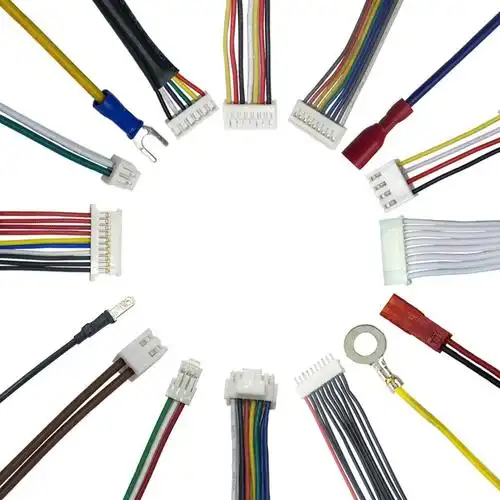
Industrial Cable Assembly Product Summary Material & Safety Utilizes premium raw materials and globally recognized components (e.g., ABB, TE Connectivity) ensuring high reliability and safety to prevent risks like fire and e.
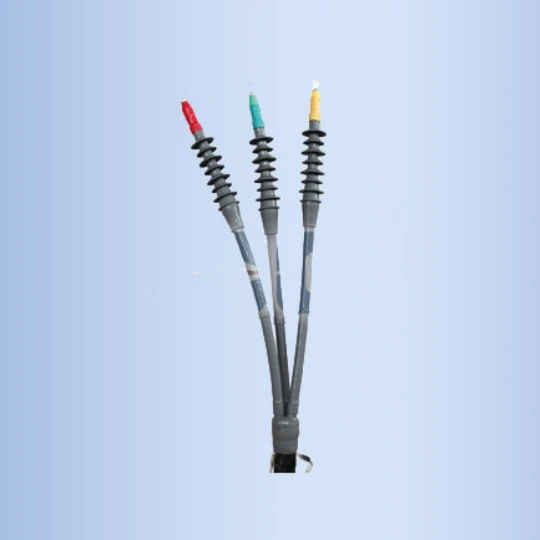
When it comes to electrical systems operating under extreme mechanical and electrical stress, high-load cable terminations are critical components that ensure seamless power transmission, safety, and system longevity. Engineered to .
Feel free to reach out to us for any inquiries or orders.