Industrial Cable Assemblies-Industrial Cable Assemblies factory
In industrial settings, the choice between shielded and unshielded cables can significantly impact the performance, reliability, and safety of electrical and data transmission systems. While both serve the core function of carrying signals or power, their design, capabilities, and ideal applications differ substantially. Below is a detailed breakdown of their key differences.
The most fundamental distinction lies in their construction. Unshielded industrial cables consist of conductors (typically copper) insulated by materials like PVC or polyethylene, with an outer jacket for basic protection against physical damage, moisture, or chemicals. They lack any additional layers specifically designed to block electromagnetic interference (EMI) or radio frequency interference (RFI).
In contrast, shielded industrial cables include one or more shielding layers surrounding the conductors. Common shielding materials are braided copper, aluminum foil, or a combination of both. The braided shield, made of interwoven metal strands, offers flexibility and effective coverage against interference, while foil shields provide 100% coverage but are less flexible. Some shielded cables also feature a drain wire, which connects the shield to ground, allowing intercepted interference to be safely redirected away from the conductors.
One of the primary reasons for choosing shielded cables is their superior ability to resist EMI and RFI. In industrial environments, machinery such as motors, transformers, welders, and high-voltage equipment generate significant electromagnetic noise. Unshielded cables act like antennas, picking up this noise, which can distort signals, cause data errors, or disrupt the operation of sensitive equipment like sensors, control systems, or communication devices.
Shielded cables, however, create a barrier that reflects or absorbs EMI/RFI. The shielding layer conducts the interference to the ground, preventing it from reaching the inner conductors. This makes them indispensable in settings where precise signal transmission is critical, such as automated manufacturing lines, power plants, or facilities with dense electronic equipment.
For high-frequency signals or data transmission (e.g., in Ethernet networks, process control systems, or instrumentation), signal integrity is paramount. Unshielded cables are more prone to signal degradation over distance due to interference and crosstalk (signal leakage between adjacent conductors). This limits their effectiveness in long-distance or high-data-rate applications.
Shielded cables minimize crosstalk and interference, preserving signal integrity even over longer distances. They are therefore preferred for applications requiring accurate, real-time data transmission, such as industrial automation protocols (Profinet, Modbus) or video surveillance systems in factories.
While both cable types can be designed to withstand harsh industrial environments (e.g., extreme temperatures, chemicals, or mechanical stress), the shielding in shielded cables adds an extra layer of protection. However, this comes with trade-offs. The shielding makes shielded cables bulkier and stiffer, which can complicate installation in tight spaces or where frequent bending is required. Unshielded cables, being more flexible and lightweight, are easier to route and install in less demanding environments.
Additionally, shielded cables require proper grounding to function effectively. If the shield is not grounded correctly, it can actually act as an antenna, worsening interference issues. Unshielded cables, on the other hand, have no such grounding requirements, simplifying their installation and maintenance.
Cost is another differentiating factor. Shielded cables are more expensive to manufacture due to the additional shielding materials and production steps. This cost difference can be significant in large-scale industrial projects.
Unshielded cables are suitable for applications where interference is minimal, such as low-power lighting, basic motor controls, or short-distance signal transmission in less electromagnetically noisy environments. They are also preferred when flexibility, ease of installation, and cost are primary concerns.
Shielded cables, meanwhile, are necessary in environments with high EMI/RFI, including factories with heavy machinery, power distribution centers, medical facilities with sensitive equipment, and aerospace or defense applications where signal accuracy is mission-critical. They are also essential for high-speed data transmission, analog signal transmission (e.g., from sensors), and any application where signal loss or distortion could lead to operational failures, safety hazards, or financial losses.
In summary, the key differences between shielded and unshielded industrial cables lie in their structural design, interference resistance, signal integrity, installation requirements, cost, and ideal applications. While unshielded cables offer simplicity, flexibility, and lower cost for less demanding environments, shielded cables provide essential protection against interference, ensuring reliable performance in complex, high-noise industrial settings. Choosing the right type depends on the specific environmental conditions, signal requirements, and budget constraints of the industrial application.
Our factory offers high-quality products at competitive prices
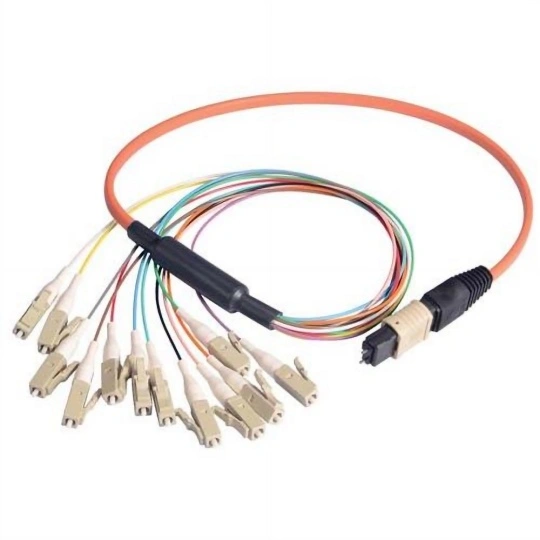
Heavy machinery cable assemblies are robust, high-performance connectivity solutions engineered to meet the demanding requirements of industrial and heavy-duty applications. Designed for durability, reliability, and optimal performance in.
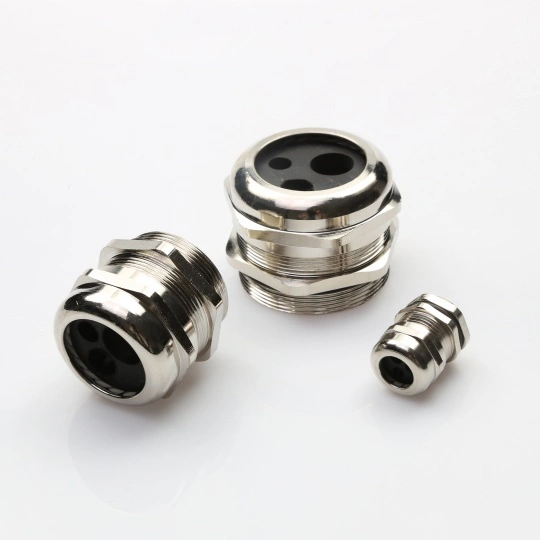
Corrosion-Resistant Cable Connectors: Reliable Connectivity for Harsh Environments Ensure uninterrupted performance in the toughest conditions with our corrosion-resistant cable connectors. Designed for durability and longevity, these.
Feel free to reach out to us for any inquiries or orders.