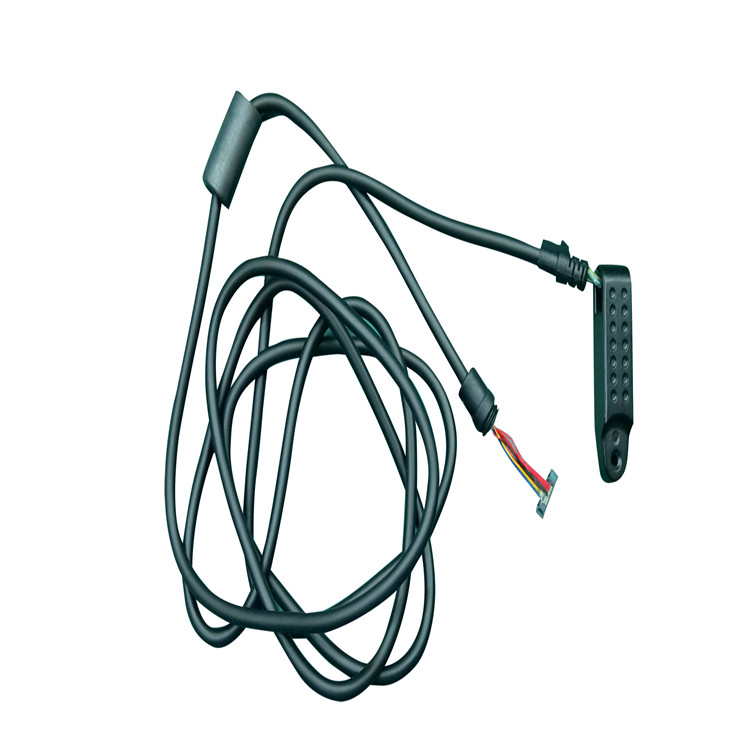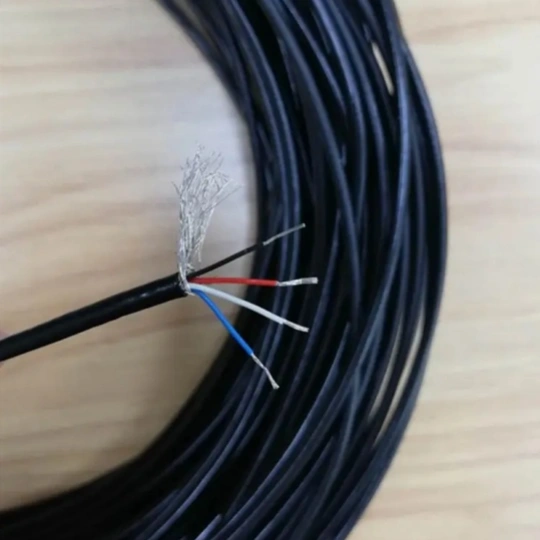
Industrial cable assemblies are the unsung heroes of modern manufacturing, automation, and infrastructure. They power machinery, transmit critical data, and ensure seamless connectivity in harsh environments. However, selecting the right cable assembly—custom or standard—can significantly impact operational efficiency, safety, and costs. This article explores the differences, advantages, and ideal use cases for custom and standard industrial cable assemblies, empowering businesses to make informed decisions.
Understanding Standard Industrial Cable Assemblies
Standard cable assemblies are pre-designed, mass-produced solutions built to meet common industry requirements. These “off-the-shelf” products are widely available and adhere to established specifications for length, connectors, shielding, and materials.
Advantages of Standard Cable Assemblies
Cost-Effective: Mass production reduces per-unit costs, making standard assemblies budget-friendly for businesses with straightforward needs.
Quick Availability: Since they’re stocked by suppliers, standard cables can be shipped immediately, minimizing downtime.
Proven Reliability: These assemblies are tested across diverse applications, ensuring compliance with industry standards (e.g., UL, RoHS, or IEC).
Simplified Procurement: No need for lengthy design or testing phases—simply select from a catalog.
Limitations of Standard Assemblies
Limited Flexibility: They may not fit unique spatial constraints or specialized performance requirements.
Compromised Performance: In extreme conditions (e.g., high temperatures, corrosive environments), standard cables might underperform.
Excess Waste: Using longer cables than needed can lead to clutter, maintenance challenges, or signal interference.
Custom cable assemblies are engineered to meet precise specifications, tailored to unique operational needs. From aerospace to oil and gas, industries with demanding conditions often rely on bespoke solutions.
Projects requiring future-proofing or scalability.
Key Factors to Guide Your Decision
Application Requirements:
Will the cables face extreme temperatures, moisture, or vibrations? → Custom.
Are you replacing an existing, non-critical component? → Standard.
Budget Constraints:
Tight budget with immediate needs? → Standard.
Higher upfront costs justified by long-term ROI? → Custom.
Timeline:
Need a solution within days? → Standard.
Can accommodate a design phase? → Custom.
Scalability:
Planning to expand operations? Custom designs ensure consistency across future installations.
Regulatory Compliance:
Industries like automotive or aerospace often require certified custom solutions.
Real-World Examples
Data Centers: Hyperscale facilities often choose custom-length fiber optic cables to optimize airflow and cooling efficiency.
Automotive Manufacturing: A plant upgraded to custom shielded cables to eliminate EMI interference from robotic welders, reducing errors by 30%.
Renewable Energy: A solar farm used standard UV-resistant cables for routine connections but opted for custom waterproof assemblies in flood-prone areas.
Industrial cables are the lifelines of modern industrial systems, playing a crucial role in transmitting electricity, signals, and data across various sectors such as manufacturing, energy, transportation, and construction. The reliabil...
Waterproof cables are essential for applications where exposure to water or moisture is a concern. They come in various types, each designed to meet specific requirements. Here are some of the common waterproof cable models:
1. JHS W...
Subsea fiber optic cable connectors play a crucial role in the reliable transmission of data and signals in underwater environments. However, the significant pressure differences between the deep – sea and the surface pose a major...
In modern automotive manufacturing, Automotive Manufacturing Industrial Cable Assembly Models and Typesare not just components; they are the central nervous system of the entire production ecosystem. They connect robots on the line, tra...
Mineral-Insulated (MI) cables are a specialized type of electrical cable renowned for their exceptional durability and safety features, making them indispensable in various high-demand industries. Unlike traditional cables that rely on ...
In the rapidly evolving landscape of industrial automation, the demand for reliable, efficient, and space-saving components has never been higher. Industrial cable assemblies serve as the “nervous system” of automated system...
Industrial cables are the lifelines of modern industrial systems, responsible for transmitting power, signals, and data in a wide range of harsh and complex environments. One notable feature of these cables is the variety of jacket mate...
In the high-stakes world of industrial operations – from bustling manufacturing floors and complex energy grids to sprawling infrastructure projects – managing critical cable assemblies is a constant challenge. Lost, misplaced, or poorl...
Industrial environments demand cables that are tougher, smarter, longer-lasting, and more reliable than ever before. As machinery becomes more advanced and operations push into harsher conditions (extreme heat, chemicals, abrasion, EMI)...
The development and operation of a modern medical device involve a complex interplay of cutting-edge technology, stringent safety regulations, and demanding environmental conditions. Off-the-shelf cable assemblies simply cannot meet th...
Industrial cable assemblies are critical components in machinery, automation systems, energy infrastructure, and other heavy-duty applications. Choosing the right cable assembly ensures reliability, safety, and longevity in demanding en...
In the complex ecosystem of industrial networking, industrial cable assemblies serve as the critical physical backbone that ensures seamless, reliable, and efficient data and power transmission. Unlike standard commercial cables, these ...
Absolutely. Yes, chemical resistant industrial cable assemblies can be extensively customizedto meet specific industrial needs.
Generic off-the-shelf cables often fail prematurely in aggressive environments because they are not engin...
The steel industry is a backbone of global manufacturing, relying on continuous, high-intensity operations across steelmaking, casting, rolling, and auxiliary processes. Industrial cables, as the “nerve and blood vessels” of...
An industrial cable assembly typically consists of the following parts:
1. Conductor (Core)Function: Transmits electrical current or signals.Materials: High-conductivity metals like copper or aluminum; optical fibers for signal...
In industrial environments—from manufacturing plants and power stations to data centers and chemical facilities—electrical cables form the backbone of operations. However, standard cables pose significant fire risks when exposed to high...
In industries where equipment faces frequent exposure to water, chemicals, or rigorous cleaning processes, washdown-ready cable assemblies are critical for ensuring reliability, safety, and compliance. These specialized cables are desi...
Industrial cable assemblies are highly customizable to meet diverse application requirements across various industries. Customization options span different aspects, including design, materials, and functionality.
One of the most com...
In the complex ecosystem of industrial operations—from automated manufacturing lines to heavy-duty mining equipment, and from industrial robotics to critical power transmission systems—industrial cable connectors serve as the unsung her...
The automotive manufacturing industry relies heavily on precision, reliability, and safety. At the heart of these requirements are cable assemblies, which serve as the nervous system of vehicles, connecting critical components like sen...
The automotive industry is undergoing a profound transformation. Driven by trends like electrification, intelligence, and flexible production, the traditional “thousands of cars on one line” model is giving way to smart factories capabl...
The New Generation of Connected Cables
Major manufacturers (Prysmian, Nexans) and startups (BondWire, NanoCable Tech) are embedding sensors directly into cable structures. These IoT-enabled cables continuously monitor:
Real-time ...
Industry 5.0: The Demand for Smarter ConnectivityIndustry 5.0 prioritizes human-centric automation, requiring cable assemblies to:
Enable Real-Time AI Interaction: Support <1ms latency for AI decision-making.Withstand Dyna...
The global shift toward renewable energy isn’t just transforming how we power our homes and industries—it’s also fueling unprecedented demand for heavy-duty cables. As solar farms, wind turbines, and grid modernization projects multiply...
The cable industry, a backbone of modern technology, is poised for transformative changes by 2025. Engineers and industry experts are forecasting advancements driven by sustainability, digitalization, and evolving infrastructure demands...
In food processing plants, maintaining stringent hygiene standards is non-negotiable. Equipment must withstand rigorous sanitation protocols, including high-pressure washdowns, extreme temperatures, and exposure to corrosive chemicals. ...
In the rapidly advancing global robotics industry—covering industrial automation lines, collaborative robots, precision medical robotics, AGV/AMR logistics equipment, and high-precision servo systems—robotics cable assemblies are far mo...
Industrial cables are the lifeline of electrical systems in various industrial sectors, ranging from manufacturing plants and power generation facilities to oil refineries and transportation networks. Their role in transmitting electric...
Cable assemblies are critical components in electrical and mechanical systems, ensuring reliable power and signal transmission. However, improper installation can lead to performance issues, safety hazards, or even system failure. This ...
IntroductionAs global industries face mounting pressure to reduce carbon footprints, the cable manufacturing sector is undergoing a transformative shift. The rise of carbon-neutral cable factories marks a critical milestone in sustainab...
In today’s interconnected industrial landscape, electromagnetic interference (EMI) poses a significant threat to the reliability and performance of cable assemblies. From factory automation to power distribution systems, EMI can disrupt...
If you’re sourcing, manufacturing, or using cable assemblies in China, understanding the country’s regulatory and quality standards is crucial. This guide breaks down the key requirements for domestic cable assemblies in China, helping...
Introduction
The 3D printing industry is evolving rapidly, with innovations focusing on improving precision, speed, and material versatility. One often-overlooked upgrade is the integration of flexible cables into 3D printers. These ...
In today’s fast-paced technological landscape, industries demand cables that are not only high-performing but also adaptable to evolving needs. Enter modular design—a game-changing approach revolutionizing cable production. This articl...
In today’s industrial and automotive environments, reliable interconnections are not optional—they are mission-critical. This is where industrial cable assemblies manufacturecomes in. These assemblies, built from cables, wires, connecto...
In industries where extreme heat is a constant challenge—such as manufacturing, energy, aerospace, and automotive—reliable electrical connectivity is non-negotiable. High temperature cable connectors stand as critical components that en...
Selecting the right RF (Radio Frequency) cable assembly is critical for ensuring optimal performance in wireless communication systems, aerospace applications, medical devices, and countless other industries. With so many options availa...
The advent of 5G has ushered in an era of ultra-reliable, low-latency communication, demanding a new class of industrial cable assemblies. These assemblies are no longer simple wires; they are complex systems where precision, consistenc...
Ensure reliable power transmission and long-lasting performance in the harshest conditions with our High-Temperature Resistant Cable Accessories. Engineered to withstand extreme heat, these premium-grade accessories are designed to prote.
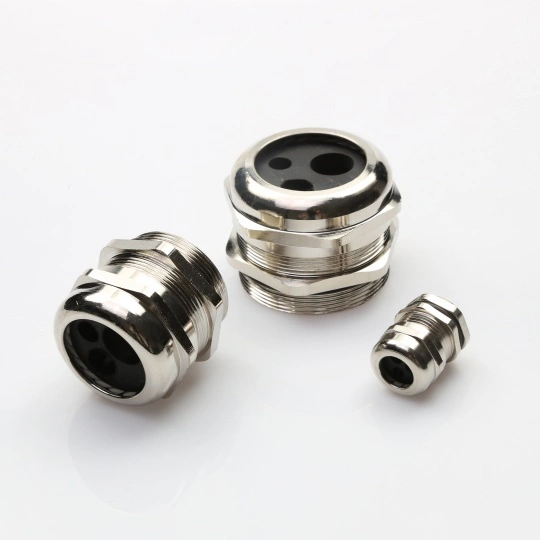
Corrosion-Resistant Cable Connectors: Reliable Connectivity for Harsh Environments
Ensure uninterrupted performance in the toughest conditions with our corrosion-resistant cable connectors. Designed for durability and longevity, these.
Contact Us
Feel free to reach out to us for any inquiries or orders.