
Industrial Cable Assemblies-Industrial Cable Assemblies factory
Chemical processing plants operate in one of the most demanding industrial environments: corrosive gases (e.g., chlorine, ammonia), toxic liquids (e.g., solvents, acids), extreme temperatures (-40°C to 180°C in some processes), and constant mechanical stress from equipment vibration or material handling. Choosing the wrong industrial cable can lead to catastrophic failures—from unplanned production shutdowns to electrical fires or even environmental hazards. The “best” cable is not a one-size-fits-all solution, but rather one that aligns with the plant’s specific operating conditions while meeting strict safety and durability standards. Below is a practical guide to selecting optimal industrial cables for chemical facilities.
Corrosion is the biggest threat to cables in chemical plants. Ordinary PVC or rubber-insulated cables will degrade quickly when exposed to acids, alkalis, or organic solvents, leading to insulation breakdown and short circuits. The best cables use fluoropolymer-based insulation and jacketing materials, such as:
Avoid cables with PVC or neoprene jackets in heavy chemical zones—these materials will swell, crack, or dissolve within months, compromising electrical safety.
Chemical processes often involve extreme temperatures: from cryogenic cooling systems (-40°C) to high-temperature reactors (180°C+). The best cables must maintain electrical performance and physical integrity across the plant’s operating temperature range:
Always verify the cable’s “continuous operating temperature” (not just peak temperature) to avoid premature degradation.
Cables in chemical plants are not just exposed to chemicals—they also face physical damage from equipment movement, heavy machinery, or moisture. The best cables include these protective features:
Even the most durable cable is useless if it fails electrically. Key electrical specifications to prioritize:
Regulatory compliance is non-negotiable for safety and liability. The best cables meet:
There is no universal “best” cable—only the right cable for your specific process. For example:
When it comes to sourcing industrial cables for chemical processing plants, reliability and expertise matter. FRS brand factory specializes in manufacturing custom industrial cables tailored to the harsh conditions of chemical facilities. All FRS cables use premium fluoropolymers (PTFE/PFA/FEP) for maximum chemical resistance, meet IEC, UL, and ATEX standards, and undergo rigorous testing (including 1000-hour chemical immersion and temperature cycling) to ensure durability. Whether you need high-temperature cables for reactors or shielded cables for control systems, FRS delivers solutions that minimize downtime, enhance safety, and align with your process needs. Choose FRS—your trusted partner for chemical-resistant industrial cables.
Our factory offers high-quality products at competitive prices
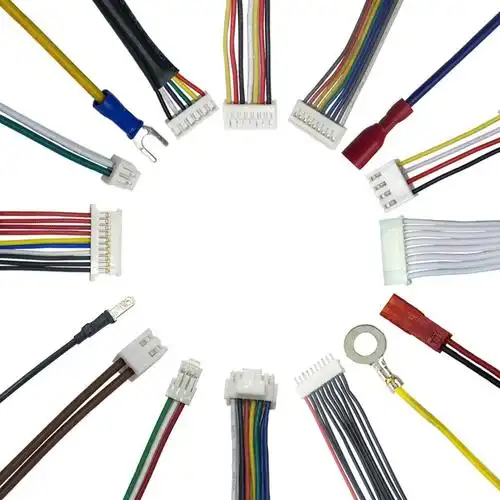
Industrial Cable Assembly Product Summary Material & Safety Utilizes premium raw materials and globally recognized components (e.g., ABB, TE Connectivity) ensuring high reliability and safety to prevent risks like fire and e.
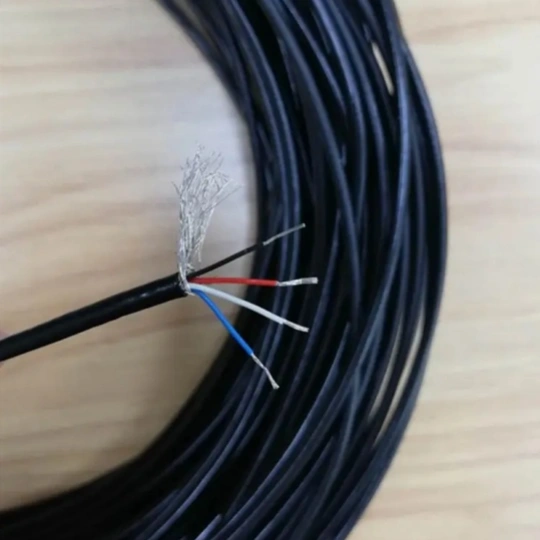
Ensure reliable power transmission and long-lasting performance in the harshest conditions with our High-Temperature Resistant Cable Accessories. Engineered to withstand extreme heat, these premium-grade accessories are designed to prote.
Feel free to reach out to us for any inquiries or orders.