Industrial Cable Assemblies-Industrial Cable Assemblies factory
Industrial cables are critical in sectors like manufacturing, energy, and transportation, where poor durability can cause equipment failures or safety hazards. Testing their durability requires a structured, standard-aligned process to simulate real-world stressors. Below is a step-by-step breakdown of the professional workflow:
Before testing, cables must be conditioned to eliminate external variables that could skew results:
Mechanical stress (bending, stretching, abrasion) is the most common cause of cable failure. Key tests include:
Mount the cable on a bending tester with a radius matching its application (e.g., 6× cable diameter for fixed installations, 3× for mobile equipment). Apply a 500g load to the free end and cycle bending (180° back-and-forth) 1,000–5,000 times. After testing, check for insulation cracks or conductor breakage—no visible damage indicates passing.
Secure the cable’s two ends in a universal testing machine. Pull at a speed of 50mm/min until the conductor breaks. Record the maximum force (tensile strength) and elongation rate. For industrial cables, tensile strength should exceed 15N/mm², and elongation should be ≥15% (per IEC 60228 Class 5).
Rub the cable sheath against a sandpaper (P120 grit) with a 10N load at 50mm/s for 100 cycles. Afterward, measure the sheath’s remaining thickness—losses ≤20% of the original thickness are acceptable.
Industrial cables often face extreme temperatures, moisture, or chemicals. These tests validate resistance to such environments:
Place the cable in a thermal chamber and cycle between -40°C (12 hours) and 85°C (12 hours) for 20–50 cycles. After cycling, check insulation flexibility (no brittleness) and conductor continuity (no open circuits).
Expose the cable to 40°C and 95% relative humidity for 21 days. Post-test, measure insulation resistance (using a 500V megohmmeter)—values ≥100MΩ indicate effective moisture resistance.
Immerse the cable in common industrial fluids (e.g., machine oil, 5% NaCl solution) at 40°C for 7 days. Remove, dry, and inspect for sheath swelling (volume increase ≤10%) or insulation degradation.
Mechanical and environmental stress can damage insulation, compromising electrical performance. Critical tests include:
Compile all test data (e.g., bending cycles, tensile strength, insulation resistance) and compare against industry standards (IEC, UL, or customer-specific specs). A cable passes only if all parameters meet requirements—partial compliance means it fails durability testing. The final report should include sample details, test conditions, raw data, and a pass/fail conclusion.
When industrial cables undergo this rigorous process, their durability is no longer guesswork—but a verified guarantee. For businesses seeking cables built to withstand harsh industrial environments, partnering with a manufacturer that adheres to these testing standards is critical.
FRS factory specializes in industrial cable production with a fully equipped testing lab that follows every step outlined above. From mechanical bending to chemical corrosion tests, FRS uses precision equipment (e.g., universal testing machines, thermal chambers) and strict quality control to ensure each cable meets global durability standards. Whether for heavy machinery, renewable energy, or outdoor infrastructure, FRS cables deliver reliable performance—backed by science-based testing.
Our factory offers high-quality products at competitive prices
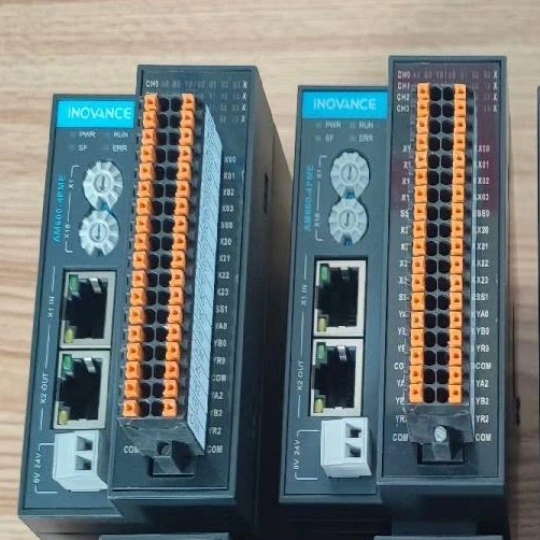
Meta Description: Discover high-performance industrial control cable module components designed for seamless automation, harsh environments, and superior connectivity. Explore specs, certifications, and applications. H2: Industrial Con.
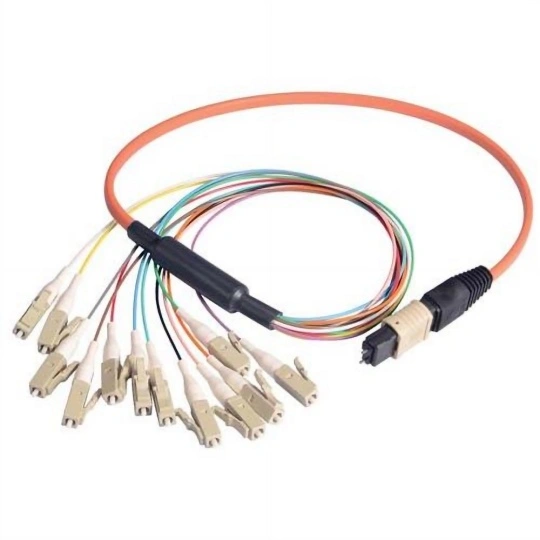
Heavy machinery cable assemblies are robust, high-performance connectivity solutions engineered to meet the demanding requirements of industrial and heavy-duty applications. Designed for durability, reliability, and optimal performance in.
Feel free to reach out to us for any inquiries or orders.