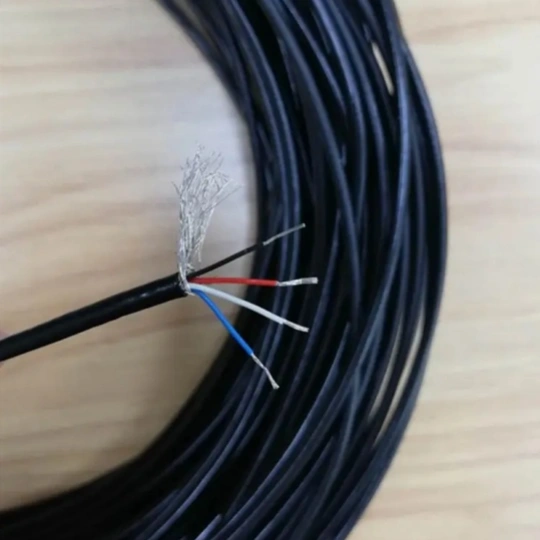
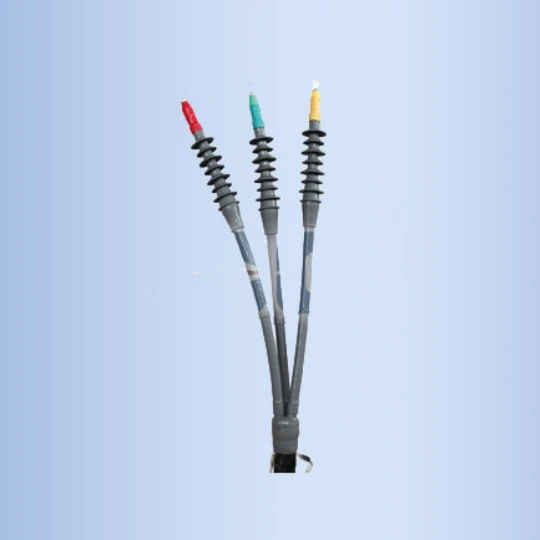
In the high-stakes world of industrial automation, your machinery is only as reliable as its nervous system. Industrial cable assembliesare the critical link transmitting power and data across your facility. Yet, they are often the most neglected components until a failure occurs.
Unexpected downtime isn’t just an inconvenience; it’s a direct hit to your bottom line. This guide moves beyond basic advice to provide engineers and procurement professionals with a strategic framework for maintaining cable assemblies. We will explore failure root causes, proactive inspection protocols, and advanced care techniques to extend the life of your assets.
1. Decoding the “Silent Killers”: Common Failure Modes
To maintain effectively, you must understand whycables fail. Most failures are not random; they are the result of predictable physical stressors. Recognizing these modes allows you to spot trouble before it halts production.
The Physics of Failure
Insulation Chafing (The “Short Circuit” Risk):In dynamic environments, cables rub against sharp edges, metal chassis, or adjacent machinery. Over time, this abrasion wears down the outer jacket, exposing conductors. This is a primary cause of unplanned shorts and ground faults .
Contact Fretting (The “Ghost” Failure):Microscopic movements caused by vibration (common in robotics and CNC machines) cause connector pins to slide minutely against sockets. This friction wears away protective plating (like tin), exposing the base metal to oxidation. The result? Intermittent signal loss that is notoriously difficult to diagnose .
Crimp Fatigue & Strain Relief Failure:A cable assembly is a marriage of rigid connectors and flexible wires. Without adequate strain relief, the mechanical stress concentrates at the entry point of the connector. This leads to internal copper strand breakage—often invisible from the outside until the connection dies completely .
Engineer’s Insight:If you see a cable flapping loosely on a moving robotic arm, it is already failing. It needs structured guidance (e.g., drag chains) and robust overmolding to survive the motion .
2. The Strategic Inspection Protocol
Maintenance shouldn’t be reactive. Implementing a structured inspection routine transforms cable care from a guessing game into a science.
Visual Inspection Checklist
Perform these checks during scheduled downtimes. Look for:
Jacket Integrity:Cracks, cuts, swelling, or discoloration (which indicates heat stress).
Connector Health:Bent pins, corrosion (green/white powder), or melted housings.
Routing Issues:Cables pinched under brackets, hanging without support, or coiled too tightly (violating the bend radius) .
Electrical & Thermographic Analysis
Infrared Thermography:This is your most powerful predictive tool. Use a thermal camera to scan active cable assemblies. Hotspots at termination points indicate loose connections or overloading, often appearing days before a catastrophic failure .
Insulation Resistance (Megger Test):Periodically measure the resistance between conductors and ground. A dropping trend indicates moisture ingress or insulation degradation .
Recommended Inspection Frequency
Environment Type
Visual Check
Detailed Inspection (IR/Electrical)
Harsh / Dynamic(Robotics, Chemical Washdown)
Weekly
Monthly
Standard Industrial(Assembly Lines, Motors)
Monthly
Quarterly
Benign / Static(Control Panels, Data Centers)
Quarterly
Annually
3. Advanced Maintenance & Handling Techniques
Proper handling during maintenance activities is just as important as the maintenance itself. Incorrect cleaning or coiling can introduce new failure points.
Scientific Cleaning Methods
Connectors:Never use abrasive tools. Use compressed air to remove debris. For oxidation, apply a specialized contact cleaner (like DeoxIT) to dissolve oxides and deposit a protective film. Avoid harsh solvents that degrade plastic housings .
Cable Jackets:Wipe with a soft, damp cloth. For stubborn industrial grime, use mild detergent. Avoid acetone or gasoline, which strips plasticizers from PVC and rubber, leading to premature cracking .
The “Over-Under” Coiling Technique
How you store spare cables matters. Throwing cables into a bin creates “twist memory,” leading to tangles and internal stress when deployed.
The Method:Alternate the direction of each loop. One loop goes over your hand, the next goes under. This balances torsional stress, keeping the cable lay flat and tangle-free .
Bend Radius:Always respect the Minimum Bend Radius (MBR). For dynamic applications (cables in motion), the radius should generally be at least 10x the cable diameter. Violating this causes the inner conductors to compress and fracture .
4. Environmental Defense & Storage Strategies
Cables stored improperly can degrade before they are ever installed. If you stock spare industrial cable assemblies, your warehouse practices dictate their future reliability.
The Ideal Storage Environment
Climate Control:Store cables in a cool, dry place (approx. 10°C – 25°C / 50°F – 77°F). Extreme heat softens insulation; freezing temps make it brittle .
UV & Ozone Protection:Keep cables away from windows (UV light) and electric motors (ozone generators). Both accelerate rubber and plastic degradation .
Elevation:Store reels on pallets, not directly on concrete floors, to prevent moisture wicking and pest access .
Reel Management
FLD Principle:Store reels Flat, Loose, and Dry.
Stacking Limits:Do not stack heavy reels excessively high, as the weight can deform the lower reels, making future unspooling difficult and potentially damaging the cable structure .
5. Specifying for Longevity: A Procurement Perspective
Maintenance begins at the specification stage. When sourcing new assemblies, insist on features that reduce lifetime maintenance costs.
Overmolding vs. Molded Boots:Specify overmolded strain reliefswhere possible. Unlike slip-on rubber boots that can slide off, overmolding encapsulates the cable-to-connector transition, providing superior water resistance (IP ratings) and mechanical strength .
Plating Selection:For high-vibration environments, specify gold-flashed contactsover tin. Gold is inert and resists the fretting corrosion that plagues tin-plated connectors in dynamic applications .
Shielding Strategy:For data-critical applications near VFDs (Variable Frequency Drives), specify double-shieldedcables (foil + braid) to prevent EMI-induced data corruption .
Conclusion: From Cost Center to Asset
Effective maintenance of industrial cable assembliesis not merely about fixing what is broken; it is about managing the lifecycle of your electrical infrastructure. By implementing rigorous inspection protocols, handling cables with technical precision, and specifying robust designs, you transform a potential point of failure into a reliable asset.
In industrial automation, manufacturing, and process control, reliable connectivity is the backbone of operational efficiency. Industrial Cable Assemblies – FRS (Flame Retardant Shielded) are engineered to meet the rigorous demand...
Military and aerospace applications demand unparalleled reliability, durability, and performance from every component, especially cable assemblies. Operating in harsh environments – think extreme temperatures, shock, vibration, sand, du...
The development and operation of a modern medical device involve a complex interplay of cutting-edge technology, stringent safety regulations, and demanding environmental conditions. Off-the-shelf cable assemblies simply cannot meet th...
The steel industry is a backbone of global manufacturing, relying on continuous, high-intensity operations across steelmaking, casting, rolling, and auxiliary processes. Industrial cables, as the “nerve and blood vessels” of...
IntroductionChoosing the right flexible cable isn’t just about the core specs; bend radius is critical. Get it wrong, and you risk premature cable failure, costly downtime, and safety hazards. For drag chain applications experienc...
In the industrial sector, industrial cables serve as the “nervous system” connecting machinery, equipment, and control systems. Whether in manufacturing plants, power stations, oil refineries, or infrastructure projects, the...
IntroductionProper grounding is critical for the safety and performance of cable assemblies in electrical and communication systems. However, grounding errors are surprisingly common and can lead to equipment damage, data loss, or even ...
Electrical cable overload is a silent threat that can lead to catastrophic consequences, including fires, equipment damage, and costly downtime. Thermal imaging cameras have emerged as a game-changing tool for identifying overheating in...
Industrial cables are the backbone of modern infrastructure, powering manufacturing plants, energy grids, telecommunications networks, and construction projects worldwide. Composed of high-value metals (primarily copper and aluminum) an...
In the complex and demanding landscape of industrial operations, cable assemblies serve as the “neural network” that ensures the seamless transmission of power and signals. Among the various materials used for cable sheathin...
In the global industrial supply chain, the European Union (EU) market stands out as a high-standard, high-value arena that demands strict compliance with safety, health, and environmental regulations. For manufacturers and suppliers of ...
Industrial cables are critical components in various machinery, infrastructure, and electrical systems, where their reliability directly impacts operational safety and efficiency. Unfortunately, counterfeit industrial cables have floode...
Selecting the right industrial cable gauge is critical to avoiding equipment failure, safety hazards (such as overheating or short circuits), and inefficient energy transmission. Unlike residential cables, industrial applications involv...
Subsea fiber optic cable connectors play a crucial role in the reliable transmission of data and signals in underwater environments. However, the significant pressure differences between the deep – sea and the surface pose a major...
Choosing the right cable assembly for your industrial application – whether grabbing one off-the-shelf or designing a bespoke solution – is crucial for performance, reliability, and cost-efficiency. Both pre-made and custom assemblies h...
Electromagnetic Interference (EMI), including Radio Frequency Interference (RFI), poses significant challenges to signal integrity and equipment reliability within industrial environments. Understanding the specific factors that ca...
Yes, many M12 industrial cable assemblies are specifically designed for outdoor harsh environments, but not all are suitable. Success depends on matching the right coding, IP rating, cable jacket, and mechanical properties to your speci...
In the era of Industry 4.0, smart factories are redefining manufacturing with automation, IoT integration, and data-driven processes. However, achieving seamless connectivity and operational efficiency hinges on a critical yet often ove...
Industrial cable assemblies are critical for reliable power and signal transmission in harsh environments. Whether for automation, robotics, or heavy machinery, selecting the right parameters ensures performance, safety, and longevity. ...
New energy cables (e.g., electric vehicle charging cables, in-vehicle high-voltage cables, and renewable energy system cables) must meet the following specialized technical requirements:
1. Electrical PerformanceHigh Voltage Capac...
In today’s fast-paced technological landscape, industries demand cables that are not only high-performing but also adaptable to evolving needs. Enter modular design—a game-changing approach revolutionizing cable production. This articl...
Industrial cables are the backbone of modern industrial operations, responsible for transmitting power, data, and signals across a wide range of machinery, equipment, and systems. Their reliable performance is crucial for ensuring the s...
Ultra‑thin micro coaxial assemblies built with AWG42conductors are now central to the miniaturization of camera modulesin smartphones, drones, medical endoscopes, and industrial vision. This article explains what makes AWG42 the right c...
Introduction
The shipping industry faces growing pressure to reduce waste, and cable shipments are no exception. Traditional packaging methods often rely on plastic wraps, foam fillers, and non-recyclable materials that harm the envi...
As global temperatures rise and extreme weather events become more frequent, industries worldwide are rethinking infrastructure design to withstand environmental challenges. Among these innovations, climate-proof cables are emergi...
Electrical cable assemblies are integral components in nearly every industry that relies on electrical power or signal transmission. Unlike individual cables, these assemblies consist of multiple cables, wires, or conductors organized i...
As cyberattacks grow more sophisticated, organizations are rethinking physical infrastructure security. Shielded cables, once a niche solution for industrial settings, are now surging in demand as businesses prioritize holistic cybersec...
Industrial cable assemblies are the backbone of modern infrastructure, powering everything from manufacturing plants to renewable energy systems. However, as industries face increasing pressure to reduce their environmental footprint, t...
In today’s interconnected industrial landscape, electromagnetic interference (EMI) poses a significant threat to the reliability and performance of cable assemblies. From factory automation to power distribution systems, EMI can disrupt...
IntroductionAs global industries face mounting pressure to reduce carbon footprints, the cable manufacturing sector is undergoing a transformative shift. The rise of carbon-neutral cable factories marks a critical milestone in sustainab...
Introduction
The world’s infrastructure is aging rapidly, and one of the most overlooked yet critical components is cable systems. From power grids to telecommunications networks, outdated cables pose significant risks, including ser...
The Invisible Network Keeping Cities Moving
Modern urban traffic management relies on an underground nervous system of IoT (Internet of Things) cables and sensors. These interconnected systems collect real-time data from traffic ligh...
In today’s fast-paced industrial environments—from automotive assembly lines and warehouse logistics to pharmaceutical packaging—barcode scanners are indispensable tools for tracking assets, streamlining workflows, and ensuring data acc...
In modern factory automation, reliable connectivity is non-negotiable. The new IP67 industrial cable assemblies with M12-RJ45 connectorsare engineered to provide robust, dust-tight, and waterproof connections for industrial Ethernet and...
Recent advancements in high-voltage cable testing reveal a global regulatory shift towards stricter standards. With major economies implementing upgraded testing protocols, the power infrastructure sector faces both challenges and oppor...
In a smart factory, the network of industrial Ethernet, fieldbus, sensors, actuators, robots, and servo systemsis only as reliable as the cables connecting them. Downtime in such environments doesn’t just stop a single machine—it ...
Industrial cable assemblies with overmolding integrate cables, connectors, and (in some cases) wire harnesses into a single, seamless unit using thermoplastic or elastomeric materials. This overmolding process goes beyond basic cable as...
The AI Revolution in Cable Production“Our defect rate dropped 40% in 6 months,” reveals John Carter, CEO of VoltCable Inc., in an exclusive interview about AI implementation. Traditional cable factories face three key challe...
Railway systems operate in some of the most demanding environments, where vibrations, shocks, and constant mechanical stress are unavoidable. Ensuring reliable performance under these conditions requires cable assemblies specifically de...
Ensure reliable power transmission and long-lasting performance in the harshest conditions with our High-Temperature Resistant Cable Accessories. Engineered to withstand extreme heat, these premium-grade accessories are designed to prote.
When it comes to electrical systems operating under extreme mechanical and electrical stress, high-load cable terminations are critical components that ensure seamless power transmission, safety, and system longevity. Engineered to .
Contact Us
Feel free to reach out to us for any inquiries or orders.