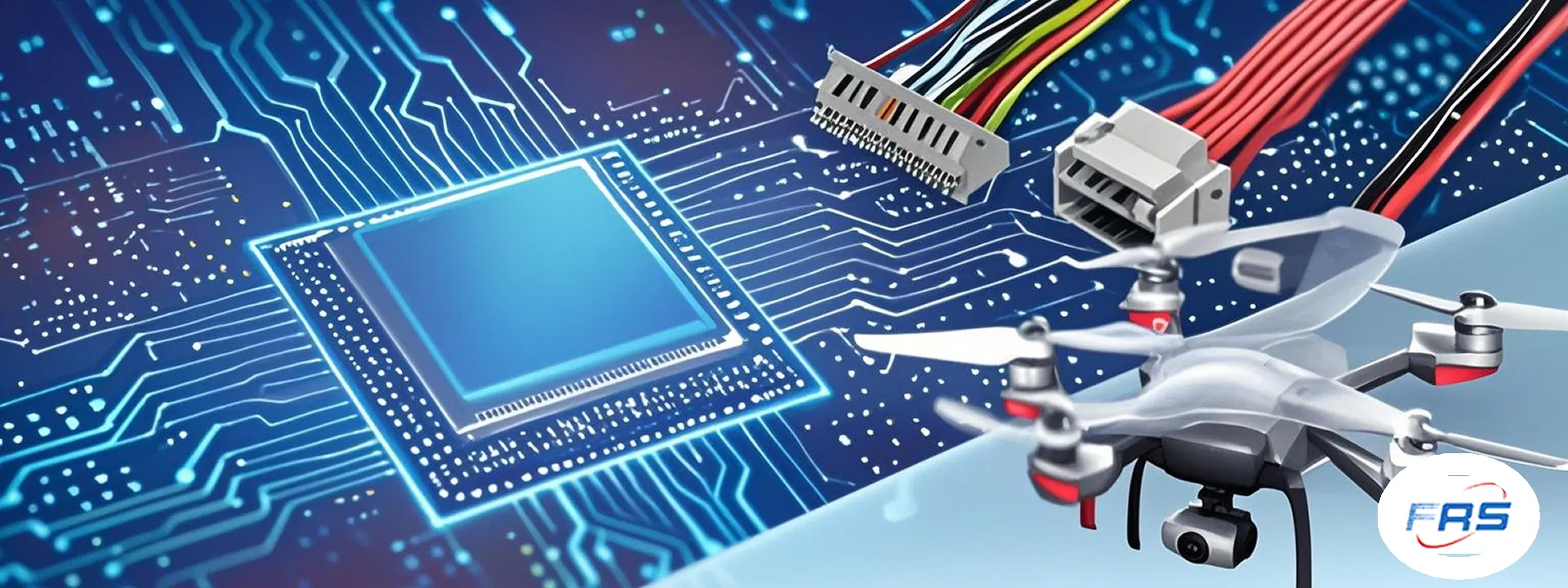
Industrial Cable Assemblies-Industrial Cable Assemblies factory
With the global deployment of 5G technology, industrial sectors are undergoing a profound digital transformation. High-frequency transmission, as the cornerstone of 5G’s ultra-high speed, low latency, and massive connectivity, places unprecedented demands on the performance of communication components. Among these components, 5G communication industrial cable assemblies stand out as critical links that bridge signal sources and terminal devices, directly determining the stability, efficiency, and reliability of high-frequency data transmission in industrial environments. For engineers, procurement managers, and technical decision-makers in industries such as smart manufacturing, industrial automation, and intelligent transportation, understanding the core advantages of these cable assemblies in high-frequency transmission is essential for optimizing system design and ensuring operational efficiency. This article delves into the key benefits that make 5G communication industrial cable assemblies indispensable for high-frequency transmission in industrial scenarios.
Signal integrity is the primary concern in high-frequency transmission, as the attenuation and distortion of signals at high frequencies (typically above 6 GHz for 5G) can severely degrade communication quality. 5G communication industrial cable assemblies are specifically engineered to address this challenge, delivering exceptional signal integrity that minimizes transmission loss.
Firstly, the choice of conductor materials plays a crucial role. Unlike ordinary cable assemblies that use standard copper conductors, 5G industrial cable assemblies often adopt oxygen-free copper (OFC) or silver-plated copper conductors. Oxygen-free copper has high electrical conductivity and low resistance, which reduces the skin effect—a phenomenon where high-frequency signals tend to flow along the surface of the conductor—thus lowering signal attenuation. Silver-plated copper further enhances conductivity, as silver is the most conductive metal, making it ideal for ultra-high-frequency transmission scenarios where every decibel of signal loss matters.
Secondly, the dielectric material inside the cable is carefully selected. The dielectric constant and dielectric loss tangent of the material directly affect signal propagation. 5G industrial cable assemblies commonly use low-dielectric-constant materials such as polytetrafluoroethylene (PTFE) or polyethylene (PE). These materials have excellent insulation properties and low dielectric loss, which can effectively reduce the energy loss of high-frequency signals during transmission. For example, PTFE has a dielectric constant of around 2.1, much lower than that of ordinary PVC materials (around 3.5), making it a preferred choice for high-frequency 5G applications.
Additionally, the structural design of the cable, such as the impedance matching and shielding layer, contributes to signal integrity. 5G communication industrial cable assemblies are designed with precise impedance (usually 50 ohms or 75 ohms, depending on the application) to ensure that the signal is transmitted without reflection at the interface between the cable and the connected devices. The shielding layer, often made of braided copper or aluminum foil, provides effective electromagnetic shielding, preventing external electromagnetic interference (EMI) from distorting the signal and also preventing the high-frequency signal inside the cable from radiating outward, which could cause interference to other nearby electronic components.
Industrial environments are far more harsh than commercial or residential settings, with challenges such as extreme temperatures, humidity, vibration, shock, and chemical corrosion. 5G communication industrial cable assemblies are built to withstand these adverse conditions, ensuring stable high-frequency transmission even in the harshest operating environments—an advantage that ordinary cable assemblies simply cannot match.
In terms of temperature resistance, these cable assemblies are designed to operate within a wide temperature range, typically from -40°C to 125°C or even higher. This is achieved through the use of high-temperature-resistant materials for the jacket and insulation, such as fluorinated ethylene propylene (FEP) or silicone rubber. For example, FEP jackets can withstand continuous exposure to high temperatures up to 200°C, making them suitable for industrial applications such as steel mills, glass manufacturing, and high-temperature processing plants where high-frequency communication is required.
Vibration and shock resistance are also key features. Industrial equipment such as robots, conveyors, and heavy machinery generate constant vibration during operation, which can loosen connections or damage the cable structure over time. 5G communication industrial cable assemblies are equipped with robust connectors (such as SMA, N-type, or QMA connectors) that have high insertion and extraction force, ensuring a secure connection even under strong vibration. The cable itself is often reinforced with a braided or spiral armor layer, which enhances its tensile strength and resistance to mechanical damage. Some cable assemblies also use flexible materials that allow for repeated bending without affecting signal transmission, making them ideal for dynamic industrial applications such as robotic arms that require frequent movement.
Furthermore, the jacket material of 5G industrial cable assemblies is often resistant to chemical corrosion, oil, and water. This is critical for industries such as automotive manufacturing, petrochemicals, and food processing, where cables may come into contact with oils, solvents, or cleaning agents. For example, polyurethane (PU) jackets are highly resistant to oil and abrasion, while halogen-free jackets are suitable for environments where fire safety is a concern, as they do not release toxic gases when burned.
One of the key advantages of 5G technology is its low latency, which is essential for real-time industrial applications such as industrial automation, remote control of machinery, and collaborative robots. 5G communication industrial cable assemblies play a vital role in achieving this low latency by minimizing the time it takes for high-frequency signals to travel from the source to the destination.
The low latency of these cable assemblies is primarily achieved through two factors: optimized signal propagation speed and minimal signal reflection. As mentioned earlier, the use of low-dielectric-constant materials increases the signal propagation speed, as the speed of an electromagnetic signal in a cable is inversely proportional to the square root of the dielectric constant of the insulation material. By using materials such as PTFE, 5G industrial cable assemblies can achieve signal propagation speeds close to the speed of light in a vacuum, significantly reducing transmission delay.
In addition, precise impedance matching eliminates signal reflection at the cable ends and connectors. When a signal encounters an impedance mismatch, part of the signal is reflected back to the source, causing a delay and distortion. 5G communication industrial cable assemblies are manufactured with strict quality control to ensure that the impedance is consistent throughout the cable and matches the impedance of the connected devices (such as 5G base stations, industrial sensors, and controllers). This eliminates reflection losses and ensures that the signal is transmitted in a single pass, further reducing latency.
For industrial applications that require ultra-low latency (such as remote surgery in medical robotics or real-time monitoring of high-speed production lines), this advantage is particularly critical. Even a small reduction in latency can improve the responsiveness and accuracy of the system, preventing costly errors and improving overall operational efficiency.
5G technology supports much higher bandwidth than previous generations of communication technology, enabling the transmission of massive amounts of data in real time. This is essential for industrial applications such as high-definition video surveillance, 3D machine vision, and large-scale IoT sensor networks, which generate enormous volumes of data that need to be transmitted quickly and reliably. 5G communication industrial cable assemblies are designed to handle this high bandwidth, providing a stable and efficient channel for high-frequency, high-volume data transmission.
The high bandwidth capacity of these cable assemblies is a result of their optimized design for high-frequency signals. As the frequency of the signal increases, the bandwidth of the cable (the range of frequencies it can transmit without significant loss) also increases—provided that the cable is engineered to minimize attenuation at those frequencies. 5G communication industrial cable assemblies are designed to operate at frequencies up to 40 GHz or higher, which is well within the frequency range required for 5G high-band (mmWave) and mid-band applications. This allows them to transmit large amounts of data at high speeds, meeting the bandwidth demands of even the most data-intensive industrial applications.
Furthermore, the use of high-quality connectors and terminations ensures that the bandwidth is not limited by the connection points. Ordinary connectors can introduce significant signal loss at high frequencies, reducing the overall bandwidth of the system. 5G industrial cable assemblies use precision-machined connectors with low insertion loss and high return loss, ensuring that the full bandwidth of the cable is utilized. For example, SMA connectors designed for 5G applications have insertion loss of less than 0.1 dB at 18 GHz, making them ideal for high-bandwidth transmission.
Industrial systems are often required to operate continuously for long periods of time (24/7) without interruption, so the reliability and stability of components are paramount. 5G communication industrial cable assemblies are subjected to rigorous testing and quality control to ensure that they can maintain stable high-frequency transmission performance over extended periods, even under constant use and harsh conditions.
One of the key factors contributing to their reliability is the use of high-quality materials and manufacturing processes. The conductors, insulation, shielding, and jacket materials are selected for their durability and long-term performance, and the cable assemblies are manufactured using precision techniques to ensure consistent quality. For example, the braided shielding layer is tightly woven to ensure complete coverage, preventing EMI leakage and interference over time. The connectors are soldered or crimped using advanced techniques to ensure a secure and stable connection that does not degrade over time.
Additionally, 5G communication industrial cable assemblies undergo a series of environmental and mechanical tests before being launched on the market, including temperature cycling tests, humidity tests, vibration tests, shock tests, and corrosion tests. These tests simulate the harsh conditions that the cable assemblies may encounter in industrial environments, ensuring that they can withstand long-term use without performance degradation. For example, a cable assembly that passes a 1000-hour temperature cycling test (-40°C to 125°C) demonstrates that it can maintain stable performance even in environments with extreme temperature fluctuations.
The reliability of these cable assemblies also reduces maintenance costs and downtime for industrial systems. By using high-quality 5G communication industrial cable assemblies, companies can avoid frequent replacements and repairs, ensuring that their industrial communication systems operate smoothly and efficiently.
As 5G industrial applications become more widespread, the compatibility of components with the broader 5G industrial ecosystem is becoming increasingly important. 5G communication industrial cable assemblies are designed to be compatible with a wide range of 5G industrial devices and systems, enabling seamless integration and reducing the complexity of system design.
These cable assemblies support various 5G frequency bands, including low-band (sub-1 GHz), mid-band (1-6 GHz), and high-band (mmWave, above 24 GHz), making them suitable for different 5G industrial applications. For example, low-band 5G is used for wide-area coverage in smart agriculture and intelligent transportation, while high-band mmWave is used for high-speed, short-range communication in smart factories and industrial automation.
In addition, 5G communication industrial cable assemblies are compatible with standard industrial communication protocols such as Ethernet/IP, PROFINET, and Modbus, which are widely used in industrial automation systems. This compatibility allows them to integrate seamlessly with existing industrial control systems, eliminating the need for expensive upgrades or modifications to the existing infrastructure.
Furthermore, the connectors used in these cable assemblies are standard industrial connectors (such as SMA, N-type, QMA, and SMP), which are widely available and compatible with a wide range of 5G industrial devices, including base stations, routers, sensors, and controllers. This standardization simplifies the procurement process and ensures that the cable assemblies can be easily replaced or upgraded if needed.
5G communication industrial cable assemblies are critical components that enable high-frequency transmission in 5G industrial applications, offering a range of core advantages that make them indispensable in harsh industrial environments. Their excellent high-frequency signal integrity minimizes transmission loss, robust mechanical performance ensures durability in adverse conditions, low latency supports real-time applications, high bandwidth capacity meets massive data transmission demands, reliable performance reduces maintenance costs, and compatibility enables seamless integration with the 5G industrial ecosystem.
For industries embarking on 5G digital transformation, choosing high-quality 5G communication industrial cable assemblies is not only a technical requirement but also a strategic investment that can improve operational efficiency, reduce downtime, and drive innovation. As 5G technology continues to evolve and penetrate deeper into industrial sectors, the importance of these cable assemblies in ensuring reliable high-frequency transmission will only continue to grow.
Our factory offers high-quality products at competitive prices
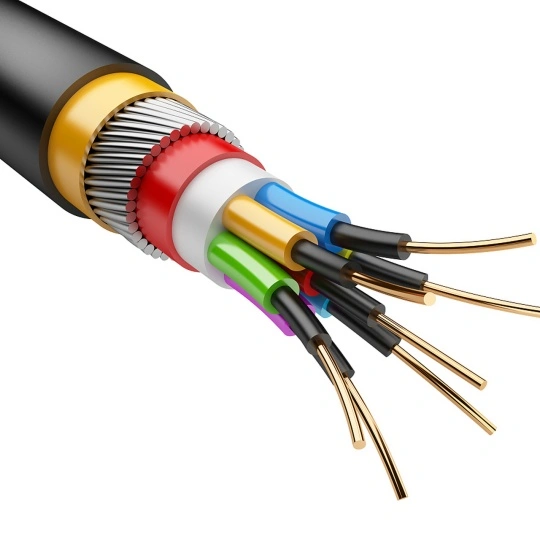
In today’s technology-driven world, maintaining uninterrupted signal integrity is critical for industrial, commercial, and residential applications. The Shielded Cable Core is engineered to deliver superior electromagnetic interference .
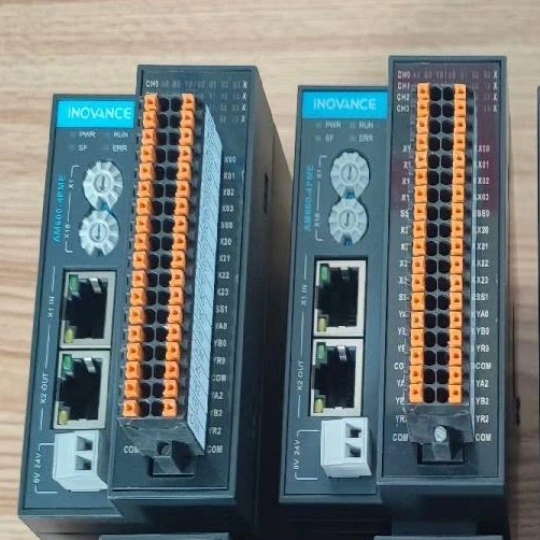
Meta Description: Discover high-performance industrial control cable module components designed for seamless automation, harsh environments, and superior connectivity. Explore specs, certifications, and applications. H2: Industrial Con.
Feel free to reach out to us for any inquiries or orders.