Industrial Cable Assemblies-Industrial Cable Assemblies factory
In the digital age, data centers serve as the backbone of global information storage, processing, and transmission. With the exponential growth of data volume—driven by trends like cloud computing, big data analytics, Internet of Things (IoT), and artificial intelligence (AI)—the demand for high-efficiency, reliable, and high-performance infrastructure within data centers has never been greater. Among the numerous components that constitute a data center’s operational framework, industrial cable assemblies play a critical role. These cable assemblies are the lifelines that connect servers, storage devices, network switches, and other core equipment, ensuring seamless data flow and stable system operation. However, not all cable assemblies are created equal. To meet the rigorous operational demands of data centers, industrial cable assemblies must adhere to a set of strict key performance requirements. This article delves into these essential performance criteria, explaining why they matter and how they impact data center functionality.
Signal integrity (SI) stands as the most fundamental performance requirement for data center industrial cable assemblies. It refers to the ability of a cable to transmit an electrical or optical signal from the source to the destination without significant degradation. In data centers, where large volumes of data are transmitted at ultra-high speeds, even minor signal distortion can lead to data errors, packet loss, and reduced system efficiency. Poor signal integrity not only affects the quality of data transmission but also increases the risk of system downtime, which can result in substantial financial losses for businesses.
Several factors can compromise signal integrity in industrial cable assemblies, including crosstalk, electromagnetic interference (EMI), and signal attenuation. Crosstalk occurs when signals from adjacent cables interfere with each other, a common issue in high-density data center environments where numerous cables are routed closely together. EMI, on the other hand, is caused by external electromagnetic fields (e.g., from power cables, motors, or other electronic devices) that disrupt the signal within the cable. Signal attenuation refers to the loss of signal strength as it travels through the cable, which becomes more pronounced over longer distances.
To ensure optimal signal integrity, data center industrial cable assemblies must be designed with shielding mechanisms (such as foil shielding or braided shielding) to minimize crosstalk and EMI. Additionally, the cable’s conductor material (typically high-purity copper or optical fiber) and insulation quality play a crucial role in reducing signal attenuation. For example, fiber optic cable assemblies offer superior signal integrity compared to copper cables, as they are immune to EMI and crosstalk and experience much lower signal attenuation, making them ideal for long-distance, high-speed data transmission in data centers.
With the rapid expansion of data-intensive applications, data centers require cable assemblies that can support ultra-high transmission speeds. The transmission speed of a cable assembly determines how much data can be transferred between devices in a given time, directly impacting the overall performance and efficiency of the data center. As data center workloads continue to grow—from streaming high-definition videos to processing complex AI algorithms—the need for faster data transmission has become increasingly urgent.
Current industry standards for data center cable assemblies focus on supporting speeds of 10 Gbps, 25 Gbps, 40 Gbps, 100 Gbps, and even 400 Gbps. For example, Cat 6A copper cables can support up to 10 Gbps at a maximum distance of 100 meters, while Cat 8 cables can handle 40 Gbps and 100 Gbps over shorter distances (up to 30 meters). Fiber optic cable assemblies, such as those using OM4 or OM5 multimode fiber, can support 100 Gbps transmission over distances of up to 150 meters, while single-mode fiber cables can achieve 400 Gbps and beyond over much longer distances (up to several kilometers).
To achieve these high transmission speeds, industrial cable assemblies must meet strict specifications for impedance matching, return loss, and insertion loss. Impedance matching ensures that the signal is efficiently transferred from the source to the load without reflection, which can cause signal distortion. Return loss measures the amount of signal that is reflected back along the cable, with lower return loss values indicating better performance. Insertion loss, similar to signal attenuation, refers to the loss of signal power as it passes through the cable assembly, including connectors and terminations. Cable manufacturers must carefully design and test their products to ensure these parameters meet the required standards for high-speed transmission.
Data centers are known for their high-temperature operating environments. The密集 arrangement of servers, storage devices, and other heat-generating equipment can cause the temperature within the data center to rise significantly, often exceeding 30°C (86°F) in some areas. Industrial cable assemblies used in these environments must exhibit excellent thermal stability, meaning they can maintain their performance and structural integrity over a wide range of temperatures.
Excessive heat can have a detrimental impact on cable assemblies. High temperatures can cause the cable’s insulation material to degrade, leading to increased signal attenuation, short circuits, and even cable failure. In extreme cases, overheating can pose a fire risk, endangering the entire data center infrastructure. Conversely, in colder environments (e.g., data centers located in regions with low ambient temperatures or those using free cooling systems), cables must also be able to withstand low temperatures without becoming brittle or losing flexibility, which could lead to mechanical damage during installation or maintenance.
To ensure thermal stability, data center industrial cable assemblies are typically constructed using high-temperature-resistant materials. For example, the insulation and jacket of copper cables may be made from materials like polyvinyl chloride (PVC), cross-linked polyethylene (XLPE), or fluoropolymers (e.g., PTFE), which offer excellent heat resistance. Fiber optic cables may use materials like aramid yarns for strength and heat-resistant coatings to protect the fiber core. Additionally, cable assemblies must be tested to ensure they can operate reliably within a specified temperature range, typically from -40°C to 85°C, to accommodate the varying conditions in data centers.
Data center industrial cable assemblies are subjected to a variety of mechanical stresses during their lifecycle, from installation and routing to ongoing maintenance and equipment upgrades. As such, mechanical durability is a key performance requirement, ensuring that the cables can withstand these stresses without damage or performance degradation.
During installation, cables may be pulled, bent, twisted, or routed through tight spaces, which can cause mechanical damage to the conductor, insulation, or shielding. For example, excessive bending can break the conductor in copper cables or damage the fiber core in optical cables, leading to signal loss or complete cable failure. Additionally, the connectors of cable assemblies must be durable enough to withstand repeated mating and unmating during equipment maintenance or upgrades, as poor connector durability can lead to loose connections and signal interruptions.
To enhance mechanical durability, industrial cable assemblies are designed with features like reinforced jackets, strain relief boots, and robust connectors. The jacket material may be reinforced with materials like Kevlar or steel tape to resist tearing and abrasion. Strain relief boots help distribute the stress at the connector-cable interface, preventing damage from bending. Connectors, such as RJ45 for copper cables and LC, SC, or QSFP for fiber optic cables, are manufactured to strict standards to ensure they can withstand repeated use. Additionally, cable assemblies may undergo rigorous mechanical testing, including bend radius testing, tensile strength testing, and impact testing, to verify their durability.
Fire safety is a critical concern in data centers, where the concentration of electrical equipment and flammable materials increases the risk of fire. Industrial cable assemblies can be a potential fire hazard if they are not designed with fire-resistant materials, as the insulation and jacket of cables can ignite and spread fire rapidly, causing extensive damage to the data center and its contents. As such, fire safety is a non-negotiable performance requirement for data center cable assemblies.
To meet fire safety standards, data center industrial cable assemblies must comply with specific fire ratings, which are determined by testing the cable’s flammability, smoke production, and toxicity. In the United States, the National Electrical Code (NEC) classifies cables based on their fire resistance, with ratings like CMP (Plenum), CMR (Riser), CM (General Purpose), and CMX (Residential). CMP cables are the most fire-resistant, designed for use in plenum spaces (the areas above ceilings or below floors that facilitate air circulation), where they must emit low smoke and toxic fumes to prevent the spread of fire and protect human health. CMR cables are used in riser spaces (vertical shafts) and are designed to prevent the spread of fire between floors.
In addition to complying with fire ratings, cable assemblies may also use flame-retardant or self-extinguishing materials for their insulation and jacket. These materials are designed to stop burning once the ignition source is removed, reducing the risk of fire spread. For example, materials like LSZH (Low Smoke Zero Halogen) are commonly used in data center cables, as they emit minimal smoke and no toxic halogen gases when burned, making them ideal for enclosed spaces like data centers.
Data centers consist of a wide range of equipment from different manufacturers, including servers, switches, storage devices, and network interface cards (NICs). Industrial cable assemblies must be compatible and interoperable with this diverse equipment to ensure seamless integration and reliable operation. Compatibility refers to the ability of a cable assembly to physically connect to the equipment, while interoperability refers to its ability to communicate effectively with the equipment and other components in the network.
Poor compatibility or interoperability can lead to a range of issues, from physical connection problems (e.g., connectors that do not fit) to communication errors and system incompatibilities. For example, a fiber optic cable assembly with an LC connector will not be compatible with a device that has an SC port, requiring the use of an adapter or a different cable assembly. Similarly, a copper cable assembly that does not meet the required impedance standards may not interoperate effectively with high-speed network switches, leading to reduced transmission speeds and data errors.
To ensure compatibility and interoperability, data center industrial cable assemblies must comply with industry standards, such as those set by the Telecommunications Industry Association (TIA), the International Organization for Standardization (ISO), and the Institute of Electrical and Electronics Engineers (IEEE). These standards define the physical characteristics, electrical parameters, and performance requirements of cable assemblies, ensuring that they can work seamlessly with equipment from different manufacturers. Additionally, manufacturers may conduct interoperability testing with a wide range of equipment to verify that their cable assemblies meet the required standards and can integrate into various data center environments.
Energy efficiency has become a key concern for data center operators, as data centers consume large amounts of energy—accounting for approximately 1-2% of global electricity use. Industrial cable assemblies may not be the first component that comes to mind when thinking about energy efficiency, but they can play a role in reducing overall energy consumption. Power-efficient cable assemblies minimize energy loss during data transmission, reducing the amount of electricity required to operate the data center and lowering energy costs.
Energy loss in cable assemblies primarily occurs due to signal attenuation and resistance. In copper cables, the conductor’s resistance causes energy to be lost as heat, which increases with the length of the cable and the transmission speed. Fiber optic cables, on the other hand, have much lower energy loss, as they transmit signals using light rather than electricity, making them more power-efficient than copper cables. Additionally, cable assemblies with better signal integrity require less power to compensate for signal loss, further improving energy efficiency.
To enhance power efficiency, data center operators may choose cable assemblies that are designed to minimize resistance and signal attenuation. For example, using copper cables with larger conductor diameters can reduce resistance, while fiber optic cables with low-loss fiber cores can minimize energy loss. Additionally, cable assemblies that support higher transmission speeds can help reduce the number of cables required to transmit the same amount of data, further lowering energy consumption and reducing the data center’s carbon footprint.
Data center industrial cable assemblies are critical components that directly impact the performance, reliability, and safety of data center operations. The key performance requirements discussed in this article—signal integrity, high transmission speed, thermal stability, mechanical durability, fire safety, compatibility and interoperability, and power efficiency—are essential for ensuring that cable assemblies can meet the rigorous demands of modern data centers. By understanding these requirements, data center operators can make informed decisions when selecting cable assemblies, ensuring that their infrastructure is capable of supporting the growing volume of data and the evolving needs of data-intensive applications.
As technology continues to advance, the performance requirements for data center industrial cable assemblies will only become more stringent. Manufacturers are constantly innovating, developing new materials and designs to improve signal integrity, increase transmission speeds, and enhance durability. By staying up-to-date with the latest industry standards and technological advancements, data center operators can ensure that their cable assemblies remain at the forefront of performance, supporting the seamless and reliable operation of their data centers for years to come.
Our factory offers high-quality products at competitive prices
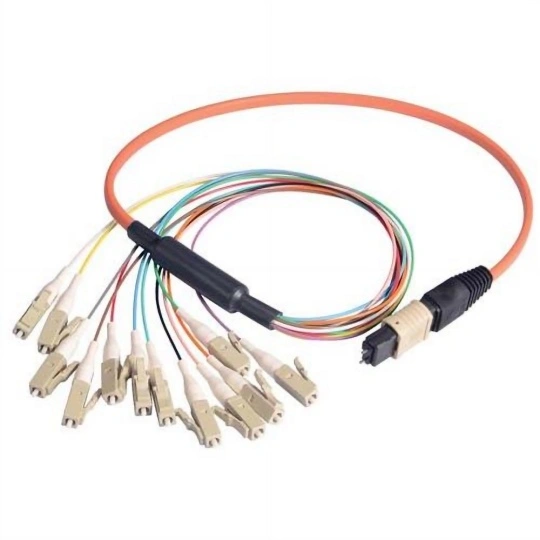
Heavy machinery cable assemblies are robust, high-performance connectivity solutions engineered to meet the demanding requirements of industrial and heavy-duty applications. Designed for durability, reliability, and optimal performance in.
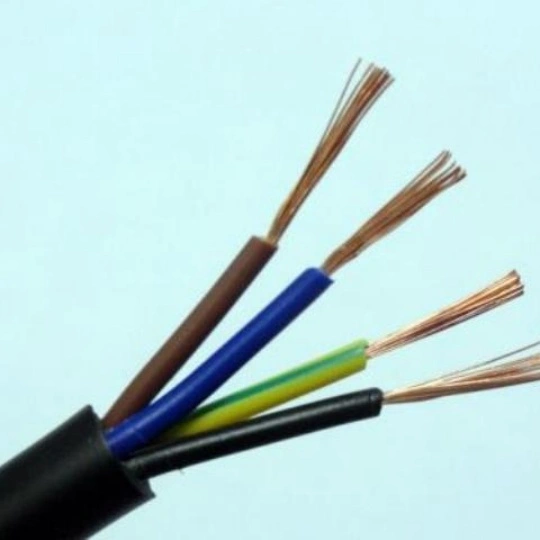
Meta Description: Discover the ultimate Protective Cable Kit designed to safeguard your cables from wear, tangles, and damage. Perfect for home, office, and industrial use. Shop now for long-lasting cable management! Protecti.
Feel free to reach out to us for any inquiries or orders.