
Industrial Cable Assemblies-Industrial Cable Assemblies factory
The automotive manufacturing industry is undergoing a profound transformation driven by electrification, intelligence, and connectivity. From traditional internal combustion engine vehicles to electric vehicles (EVs), hybrid electric vehicles (HEVs), and autonomous driving prototypes, every technological leap places higher demands on the reliability, efficiency, and integration of core components. Among these components, industrial cable assemblies stand out as the “neural network” of automotive systems, responsible for transmitting power, signals, and data between engines, batteries, sensors, infotainment systems, and other critical parts. Unlike standard cables, industrial cable assemblies are customized, integrated solutions designed to meet the harsh and complex operating conditions of automotive manufacturing. This article explores the core advantages of these essential components, highlighting why they have become indispensable in modern automotive production lines and vehicle systems.
Automotive vehicles and manufacturing facilities operate in some of the most challenging environments imaginable—extreme temperatures, high vibration, chemical exposure, and mechanical stress are commonplace. Industrial cable assemblies are engineered to withstand these harsh conditions, providing a level of reliability that standard cables simply cannot match.
For instance, in electric vehicle battery packs, cable assemblies must endure temperatures ranging from -40°C to 150°C while maintaining stable power transmission. Industrial-grade cable assemblies use high-performance materials such as cross-linked polyethylene (XLPE) insulation, which offers excellent thermal resistance and chemical stability, preventing insulation breakdown even in extreme heat. Additionally, the shielding layers in these assemblies are made of tinned copper or aluminum foil, which not only protects against electromagnetic interference (EMI) but also resists corrosion from battery electrolytes.
In automotive manufacturing plants, cable assemblies used in robotic arms and conveyor systems face constant mechanical stress and vibration. Industrial cable assemblies are designed with flexible stranding (e.g., fine copper strands) and reinforced jackets (e.g., polyurethane), allowing them to bend repeatedly without fatigue or conductor breakage. This flexibility and durability ensure that production lines run continuously, reducing unplanned downtime—a critical factor in automotive manufacturing where efficiency directly impacts profitability.
The rise of intelligent and autonomous vehicles has exponentially increased the volume of data that needs to be transmitted within a vehicle. From lidar and radar sensors for collision avoidance to infotainment systems streaming high-definition content, modern vehicles require cable assemblies that can transmit data at high speeds with minimal signal loss. Industrial cable assemblies are optimized for signal integrity, making them ideal for these data-intensive applications.
One of the key features that enable this is precise shielding design. Industrial cable assemblies for automotive use employ multi-layer shielding (e.g., braided shielding + foil shielding) to block EMI and radio frequency interference (RFI). EMI is a major concern in vehicles, as it can disrupt signals from sensors and electronic control units (ECUs), leading to system malfunctions or even safety hazards. For example, in autonomous driving systems, a single signal disruption from a lidar sensor could cause the vehicle to misinterpret its surroundings, endangering passengers and pedestrians. Industrial cable assemblies’ advanced shielding ensures that sensor data, control signals, and communication data are transmitted accurately and reliably.
Moreover, industrial cable assemblies are designed with controlled impedance, which is essential for high-speed data transmission. Impedance mismatch can cause signal reflection and attenuation, reducing data transfer rates and increasing error rates. Automotive-grade industrial cable assemblies are calibrated to specific impedance values (e.g., 50 ohms for RF applications, 100 ohms for Ethernet) to ensure seamless data flow between components. This is particularly important for emerging technologies like automotive Ethernet, which enables high-bandwidth communication between ECUs, infotainment systems, and advanced driver-assistance systems (ADAS).
No two automotive models or manufacturing processes are identical. From compact city cars to heavy-duty trucks, from traditional assembly lines to automated smart factories, the requirements for cable assemblies vary widely. Industrial cable assembly manufacturers offer extensive customization options, allowing them to tailor solutions to the unique needs of each automotive application.
Customization options include conductor size, insulation material, shielding type, jacket material, length, and connector type. For example, in high-performance sports cars, where weight reduction is a priority, industrial cable assemblies can be designed with lightweight materials such as aluminum conductors and thin-walled insulation. In contrast, in commercial vehicles that carry heavy loads, cable assemblies may use thicker conductors and reinforced jackets to handle higher current loads and mechanical stress.
In automotive manufacturing, customization also extends to the integration of multiple cables into a single assembly. This is known as a “harness” or “integrated cable assembly,” which combines power cables, signal cables, and data cables into one organized unit. Integrated industrial cable assemblies simplify installation, reduce wiring complexity, and save space in vehicles and manufacturing equipment. For example, in electric vehicles, where space is at a premium due to large battery packs, integrated cable assemblies help optimize the use of available space while ensuring all necessary connections are made efficiently.
Safety is paramount in the automotive industry, and every component must adhere to strict international standards and regulations. Industrial cable assemblies for automotive manufacturing are designed and tested to meet these rigorous safety requirements, ensuring they do not pose a risk to passengers, workers, or the environment.
Key safety features of industrial cable assemblies include flame retardancy, smoke suppression, and resistance to fire propagation. In the event of a vehicle fire, standard cables can melt and release toxic smoke, exacerbating the danger. Industrial automotive cable assemblies use flame-retardant materials (e.g., PVC, XLPE) that meet standards such as UL 94 V-0 (vertical flame test) and IEC 60332, which limit flame spread and smoke emission. This helps protect passengers and gives them more time to evacuate.
Additionally, industrial cable assemblies comply with automotive-specific standards such as ISO 6722 (for automotive cables) and IATF 16949 (for quality management systems in automotive production). These standards ensure that cable assemblies are manufactured to consistent quality levels, with strict controls on materials, production processes, and testing. For example, ISO 6722 specifies requirements for conductor resistance, insulation thickness, and tensile strength, ensuring that cable assemblies perform reliably under all operating conditions. Compliance with these standards not only enhances safety but also gives automotive manufacturers confidence in the quality of the components they use.
In automotive manufacturing, time is money. Any reduction in installation time can lead to significant cost savings and increased production efficiency. Industrial cable assemblies are pre-assembled and pre-tested, which eliminates the need for on-site assembly of individual cables and connectors. This pre-integration significantly reduces installation time and labor costs.
For example, in a traditional vehicle assembly line, workers might spend hours cutting, stripping, and connecting individual cables to connectors. With industrial cable assemblies, these steps are completed in a controlled factory environment, where quality is closely monitored. Workers simply need to plug the pre-assembled cable assembly into the appropriate components, reducing installation time by up to 50% in some cases.
Furthermore, industrial cable assemblies are designed for easy maintenance and replacement. Their robust construction and high-quality materials reduce the likelihood of failure, minimizing the need for frequent repairs. When maintenance is required, pre-assembled cable assemblies can be quickly disconnected and replaced, reducing downtime in both vehicle maintenance and manufacturing operations. For instance, in a manufacturing plant, if a cable assembly in a robotic arm fails, it can be replaced in minutes, whereas replacing individual cables would take hours, disrupting production.
The global shift toward electric vehicles is one of the most significant trends in the automotive industry. EVs require cable assemblies that can handle high-voltage and high-current applications, which is a challenge for standard cables. Industrial cable assemblies are specifically designed to meet the demands of electrification, making them a critical component in EV production.
High-voltage industrial cable assemblies (e.g., 400V, 800V) are used in EV battery packs, inverters, and electric motors. These assemblies are engineered to handle high current loads (up to several hundred amps) without overheating, using thick conductors and high-temperature insulation. They also feature specialized connectors that are insulated and locked to prevent electric shock and accidental disconnection.
Beyond electrification, industrial cable assemblies are also supporting future automotive innovations such as autonomous driving, vehicle-to-everything (V2X) communication, and smart manufacturing. For example, autonomous vehicles require cable assemblies that can transmit data from multiple sensors (lidar, radar, cameras) in real time, which demands high-bandwidth, low-latency cable solutions. Industrial cable assemblies with advanced shielding and controlled impedance are well-suited for these applications. In smart manufacturing, industrial cable assemblies are integrated with IoT sensors to monitor the performance of production equipment, enabling predictive maintenance and improving overall factory efficiency.
Industrial cable assemblies are not just ordinary components in automotive manufacturing—they are the backbone of modern vehicle systems and production lines. Their core advantages, including unmatched reliability in harsh environments, enhanced signal integrity, customization, safety compliance, reduced installation and maintenance costs, and support for electrification and innovation, make them indispensable for the automotive industry’s current and future needs. As the industry continues to evolve toward more electric, intelligent, and connected vehicles, the role of industrial cable assemblies will only become more critical. Automotive manufacturers that invest in high-quality industrial cable assemblies can improve the performance, safety, and efficiency of their vehicles and production processes, gaining a competitive edge in a rapidly changing market. Whether it’s ensuring the reliable operation of an electric vehicle’s battery system, enabling real-time data transmission in autonomous driving, or optimizing production line efficiency, industrial cable assemblies deliver the performance and reliability that the automotive industry demands.
Our factory offers high-quality products at competitive prices
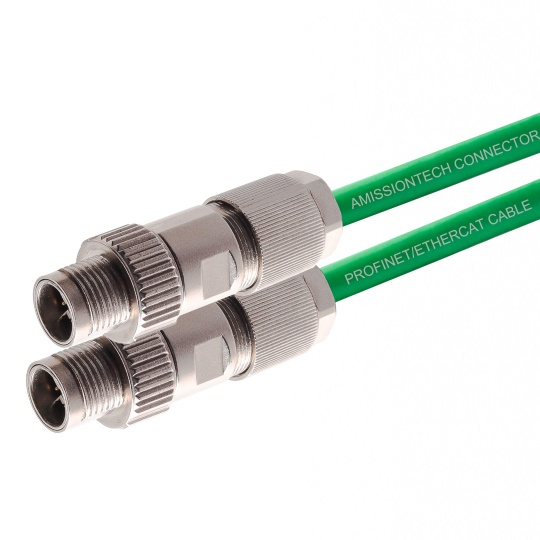
Industrial cable components are the backbone of reliable and efficient connectivity in industrial automation, robotics, and machinery. Engineered to withstand harsh environments while ensuring seamless data transmission and power delivery.
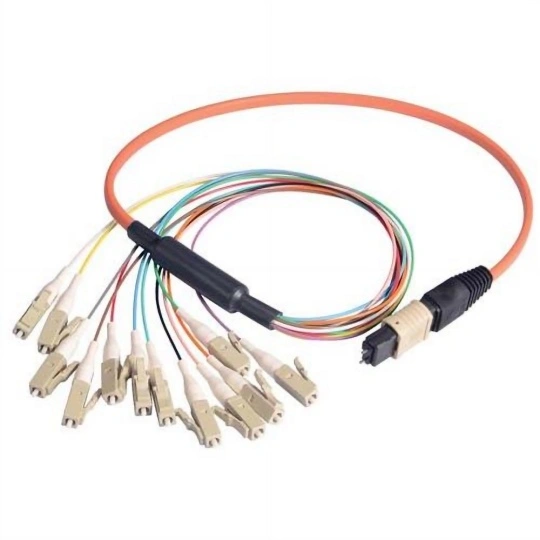
Heavy machinery cable assemblies are robust, high-performance connectivity solutions engineered to meet the demanding requirements of industrial and heavy-duty applications. Designed for durability, reliability, and optimal performance in.
Feel free to reach out to us for any inquiries or orders.