Industrial Cable Assemblies-Industrial Cable Assemblies factory
With the global acceleration of energy transition and the rapid development of smart grid technology, high-voltage transmission systems have become the core backbone of modern power grids, undertaking the crucial task of long-distance, large-capacity power transmission. As an indispensable connection component in high-voltage transmission systems, smart grid industrial cable assemblies directly affect the stability, efficiency, safety and intelligence level of the entire power grid. However, the harsh operating environment of high-voltage transmission (such as high electric field intensity, large temperature fluctuations, complex geographical conditions, and strong electromagnetic interference) puts forward extremely strict requirements for the selection of cable assemblies. Many engineering and technical personnel often face difficulties in selecting suitable smart grid industrial cable assemblies that meet both technical specifications and practical application needs. This article will comprehensively and in detail explain the key factors, practical methods and common pitfalls to avoid in the selection process, helping you make scientific and rational choices.
Before starting the selection of smart grid industrial cable assemblies, the first step is to clearly define the core technical parameters of the high-voltage transmission system. These parameters are the fundamental basis for selecting cable assemblies and directly determine whether the cable assemblies can adapt to the operating conditions of the system.
Rated voltage is the most basic parameter for selecting high-voltage cable assemblies. It must be fully matched with the operating voltage of the high-voltage transmission system. If the rated voltage of the selected cable assembly is lower than the operating voltage of the system, it will easily cause insulation breakdown, leading to power outages and even safety accidents; if it is too high, it will increase unnecessary cost investment. It should be noted that in high-voltage transmission scenarios, the voltage level usually ranges from 110kV to 1000kV or higher. Therefore, when selecting, it is necessary to accurately confirm the system’s rated voltage, and at the same time, consider the voltage fluctuation range during system operation to ensure that the cable assembly has a certain voltage margin.
Insulation level is closely related to rated voltage and is an important guarantee for preventing electric field breakdown. For smart grid industrial cable assemblies used in high-voltage transmission, the insulation material must have excellent dielectric strength, low dielectric loss and good aging resistance. Common insulation materials include cross-linked polyethylene (XLPE), ethylene propylene rubber (EPR) and油纸 insulation. Among them, XLPE insulation is widely used in high-voltage cable assemblies due to its excellent electrical properties, thermal stability and mechanical strength. When selecting, it is necessary to check whether the insulation level of the cable assembly meets the relevant international and national standards (such as IEC, IEEE, GB standards) and the specific requirements of the transmission system.
Rated current determines the current-carrying capacity of the cable assembly. In high-voltage transmission systems, large-capacity power transmission requires the cable assembly to have sufficient current-carrying capacity to avoid overheating caused by excessive current. When selecting, it is necessary to calculate the maximum operating current of the system based on the transmission capacity of the system, and select a cable assembly with a rated current not lower than the maximum operating current. At the same time, it is necessary to consider the influence of the ambient temperature on the current-carrying capacity. In high-temperature environments (such as deserts, high-altitude areas with strong sunlight), the current-carrying capacity of the cable assembly will decrease, so it is necessary to appropriately increase the current margin.
Temperature resistance level is directly related to the service life and operating safety of the cable assembly. Different insulation materials and sheath materials have different temperature resistance limits. For example, XLPE insulation has a common temperature resistance level of 90°C, while some high-temperature resistant EPR insulation can reach 125°C or higher. In high-voltage transmission scenarios, the cable assembly will generate a certain amount of Joule heat during operation, and at the same time, it may be affected by the ambient temperature. Therefore, it is necessary to select a cable assembly with a temperature resistance level that matches the maximum operating temperature of the system to ensure that the insulation and sheath materials will not age, crack or decompose prematurely under long-term operation.
Compared with traditional power grids, smart grids have higher requirements for signal transmission. Smart grid industrial cable assemblies not only need to transmit electrical energy but also undertake the task of transmitting monitoring signals, control signals and communication signals. Therefore, when selecting, it is necessary to consider the transmission frequency range of the signals and the signal transmission quality requirements.
In high-voltage transmission systems, the power frequency is usually 50Hz or 60Hz, but the frequency of the monitoring and communication signals may be higher. The cable assembly must have good signal transmission performance, low signal attenuation and crosstalk to ensure the accuracy and real-time performance of the signals. For example, in smart grid systems using optical fiber composite overhead ground wires (OPGW), the cable assembly needs to be compatible with optical fiber signal transmission, and the structural design must avoid damaging the optical fiber and affecting the signal transmission effect.
The operating environment of high-voltage transmission is complex and harsh, and the environmental factors have a significant impact on the performance and service life of smart grid industrial cable assemblies. Therefore, fully analyzing the operating environment and selecting cable assemblies with corresponding environmental adaptability is an important link in the selection process.
Climatic environment factors include temperature, humidity, rainfall, snowfall, ice, wind speed, sunlight radiation and other aspects. In cold regions, the low temperature will make the insulation and sheath materials of the cable assembly brittle, reducing their mechanical strength and even causing cracks; in high-temperature and high-humidity regions, moisture is easy to invade the interior of the cable assembly, reducing the insulation performance and causing corrosion of the metal conductors and connectors. In areas with strong sunlight radiation, ultraviolet rays will accelerate the aging of the cable assembly’s outer sheath, shortening its service life.
Therefore, when selecting, it is necessary to select cable assemblies with corresponding protective measures according to the specific climatic conditions of the project. For example, in cold regions, select cable assemblies with low-temperature resistant insulation and sheath materials (such as low-temperature resistant XLPE, special rubber materials); in high-temperature and high-humidity regions, select cable assemblies with moisture-proof and anti-corrosion properties, and strengthen the sealing performance of the connectors; in areas with strong sunlight radiation, select outer sheaths with anti-ultraviolet radiation performance (such as adding anti-ultraviolet additives to the sheath material).
Geographical and geological environment factors include terrain (mountains, plains, deserts, rivers), soil properties (acidic, alkaline, saline-alkali soil), and the risk of natural disasters (earthquakes, landslides, floods) and other aspects. In mountainous areas, the cable assembly may be subjected to strong tension and bending during laying and operation; in desert areas, sand and dust may enter the connectors, affecting the contact performance; in saline-alkali soil areas, the metal parts of the cable assembly are easily corroded by saline-alkali substances; in areas prone to earthquakes and floods, the cable assembly must have strong anti-seismic and anti-flood capabilities.
For these situations, when selecting, it is necessary to consider the mechanical performance and corrosion resistance of the cable assembly. For example, select cable assemblies with high tensile strength and bending resistance for mountainous areas; select cable assemblies with corrosion-resistant metal conductors and connectors (such as stainless steel, copper-plated materials) for saline-alkali soil areas; for areas prone to earthquakes, select cable assemblies with flexible structures that can withstand a certain amount of displacement and vibration.
High-voltage transmission lines will generate strong electromagnetic fields during operation, which will cause electromagnetic interference to the surrounding electronic equipment and the signal transmission of the cable assembly itself. In addition, in industrial and mining areas or near communication base stations, the cable assembly may also be subjected to electromagnetic interference from other electrical equipment or communication signals. Electromagnetic interference will affect the accuracy of the smart grid’s monitoring and control signals, and in severe cases, may cause malfunctions of the control system.
Therefore, when selecting smart grid industrial cable assemblies for high-voltage transmission, it is necessary to select products with good electromagnetic shielding performance. Common electromagnetic shielding measures include using shielded cables (such as copper mesh shielding, aluminum foil shielding), adding shielding layers to the connectors, and grounding the shielding layers. The shielding layer can effectively block the invasion of external electromagnetic fields and prevent the electromagnetic fields generated by the cable assembly itself from interfering with external equipment. When selecting, it is necessary to confirm the shielding effectiveness of the cable assembly and ensure that it meets the electromagnetic compatibility (EMC) requirements of the smart grid system.
The structural design and material quality of smart grid industrial cable assemblies are the core factors determining their performance and reliability. A reasonable structural design can improve the mechanical performance, electrical performance and environmental adaptability of the cable assembly, while high-quality materials can ensure the long-term stability and service life of the cable assembly.
The structural design of high-voltage smart grid industrial cable assemblies usually includes conductor structure, insulation structure, shielding structure, sheath structure and connector structure.
The conductor structure directly affects the current-carrying capacity and flexibility of the cable assembly. Common conductor structures include solid conductors and stranded conductors. Solid conductors have good electrical conductivity but poor flexibility, which is not suitable for occasions that require frequent bending; stranded conductors are composed of multiple thin metal wires twisted together, which have good flexibility and tensile strength, and are widely used in high-voltage transmission cable assemblies. When selecting, it is necessary to select the appropriate conductor structure and conductor cross-sectional area according to the current-carrying capacity and laying requirements.
The insulation structure should ensure uniform electric field distribution and good insulation performance. In high-voltage cable assemblies, the insulation layer is usually designed as a multi-layer structure, including the main insulation layer, the inner semi-conductive layer and the outer semi-conductive layer. The semi-conductive layers can eliminate the electric field concentration at the interface between the conductor and the insulation, and between the insulation and the shielding, improving the insulation reliability. When selecting, it is necessary to check whether the insulation structure is reasonable and whether the thickness of the insulation layer meets the technical requirements.
The connector structure is a key part of the cable assembly, which is responsible for the connection between the cable and the equipment. The quality of the connector directly affects the connection reliability and electrical performance of the cable assembly. For high-voltage transmission scenarios, the connector must have good sealing performance, high mechanical strength and excellent electrical conductivity. Common connector types include plug-in connectors, flange connectors and crimp connectors. When selecting, it is necessary to select the appropriate connector type according to the connection method and operating conditions of the equipment, and ensure that the connector is compatible with the cable and the equipment.
The material quality of cable assemblies is the basis for ensuring their performance. The main materials include conductors, insulation materials, shielding materials and sheath materials.
Conductor materials are usually copper or aluminum. Copper conductors have excellent electrical conductivity, thermal conductivity and mechanical strength, but the cost is higher; aluminum conductors have lower cost but slightly worse electrical conductivity and mechanical strength than copper conductors. In high-voltage transmission systems that require large current-carrying capacity and high reliability, copper conductors are usually preferred. When selecting, it is necessary to check the purity and cross-sectional area of the conductor material to ensure that it meets the current-carrying capacity requirements.
Insulation materials must have high dielectric strength, low dielectric loss, good thermal stability and aging resistance. As mentioned earlier, XLPE and EPR are common insulation materials for high-voltage cable assemblies. When selecting, it is necessary to confirm the quality and performance indicators of the insulation material, such as breakdown voltage, dielectric loss tangent, and thermal aging life.
Shielding materials are usually copper, aluminum or their alloys. Copper shielding materials have good electrical conductivity and shielding effectiveness, and are widely used in high-voltage cable assemblies. When selecting, it is necessary to check the thickness and conductivity of the shielding material to ensure that it can effectively play the role of electromagnetic shielding.
Sheath materials are mainly used to protect the internal structure of the cable assembly from external environmental factors. Common sheath materials include polyvinyl chloride (PVC), polyethylene (PE) and rubber. Different sheath materials have different performance characteristics. For example, PVC has good flame retardancy but poor low-temperature resistance; PE has good low-temperature resistance and chemical corrosion resistance but poor flame retardancy. When selecting, it is necessary to select the appropriate sheath material according to the operating environment requirements.
Smart grids are characterized by intelligence, informatization and automation. Therefore, the smart grid industrial cable assemblies used in high-voltage transmission systems must have corresponding intelligence and compatibility to adapt to the functional requirements of the smart grid.
The intelligence of smart grid industrial cable assemblies is mainly reflected in the integration of monitoring and sensing functions. For example, some high-end cable assemblies are integrated with temperature sensors, partial discharge sensors and vibration sensors. These sensors can real-time monitor the operating status of the cable assembly (such as temperature, partial discharge, vibration) and transmit the monitoring data to the smart grid’s monitoring center through the communication system. The monitoring center can timely find potential faults of the cable assembly through analyzing the data, and take corresponding maintenance measures to ensure the safe and stable operation of the high-voltage transmission system.
When selecting, it is necessary to consider the intelligence level of the cable assembly according to the actual needs of the smart grid system. If the system has high requirements for real-time monitoring of cable assemblies, it is necessary to select products with integrated sensing and monitoring functions. At the same time, it is necessary to confirm the compatibility of the monitoring data of the cable assembly with the smart grid’s monitoring platform to ensure that the data can be smoothly transmitted and integrated.
Compatibility includes the compatibility between the cable assembly and the equipment, and the compatibility between the cable assembly and the smart grid’s communication protocol and interface standard. The cable assembly must be able to be perfectly matched with the high-voltage transmission equipment (such as transformers, switchgear, reactors) to ensure the reliability of the connection and the normal transmission of electrical energy and signals.
In terms of communication protocol and interface standard compatibility, the smart grid has formulated a series of international and national standards (such as IEC 61850, IEEE 1588). The cable assembly must comply with these standards to ensure that it can communicate and interact with other equipment and systems in the smart grid. When selecting, it is necessary to check whether the cable assembly meets the relevant standard requirements and confirm the compatibility of its interface with the equipment and the monitoring system.
The quality of smart grid industrial cable assemblies and the after-sales service of suppliers are important guarantees for the long-term stable operation of high-voltage transmission systems. Therefore, when selecting, it is necessary to conduct a comprehensive evaluation of the supplier’s strength, product quality certification and after-sales service system.
When selecting a supplier, it is necessary to understand the supplier’s production scale, technical strength, R&D capabilities and industry reputation. A supplier with strong technical strength and rich production experience can better guarantee the quality and performance of the cable assembly. It is recommended to select suppliers with well-known brands and good industry reputation, and can check the supplier’s relevant qualification certificates, production equipment and production process to evaluate its production capacity and quality control level.
Product quality certification is an important symbol of the quality of cable assemblies. When selecting, it is necessary to check whether the cable assembly has passed the relevant international and national quality certification, such as IEC certification, IEEE certification, CE certification, and national 3C certification. These certifications indicate that the product meets the relevant technical standards and quality requirements, and has been tested and verified by authoritative institutions. At the same time, it is necessary to require the supplier to provide product test reports, including insulation performance test, current-carrying capacity test, temperature resistance test, electromagnetic shielding test and other test data, to confirm the product’s performance indicators.
A sound after-sales service system is crucial for the subsequent use and maintenance of cable assemblies. When selecting, it is necessary to understand the supplier’s after-sales service content, such as product installation guidance, technical training, fault maintenance, and spare parts supply. The supplier should be able to provide timely and professional after-sales service, and solve the problems encountered by users in the process of using the cable assembly. It is recommended to sign a detailed after-sales service agreement with the supplier to clarify the rights and obligations of both parties and ensure the subsequent support of the product.
In the process of selecting smart grid industrial cable assemblies for high-voltage transmission, there are some common pitfalls that need to be avoided to ensure the scientificity and rationality of the selection.
First, avoid blindly pursuing low cost and ignoring product quality. Some users may choose low-cost cable assemblies to reduce investment costs, but such products often have problems such as poor material quality, unreasonable structural design and unqualified performance indicators, which will bring great hidden dangers to the safe operation of the high-voltage transmission system and may lead to greater economic losses in the long run.
Second, avoid ignoring the matching of technical parameters. Some users may only pay attention to the rated voltage and rated current of the cable assembly, and ignore other important technical parameters (such as insulation level, temperature resistance level, signal transmission performance), resulting in the selected cable assembly cannot adapt to the operating conditions of the system.
Third, avoid ignoring the environmental adaptability of the cable assembly. The operating environment of high-voltage transmission is complex and harsh. If the environmental adaptability of the cable assembly is not fully considered, the product may age, damage or fail prematurely, affecting the stability of the system.
Fourth, avoid ignoring the compatibility of the cable assembly with the smart grid system. With the development of smart grids, the requirements for the intelligence and compatibility of cable assemblies are getting higher and higher. If the compatibility of the cable assembly with the system’s communication protocol and interface standard is ignored, it may not be able to realize the intelligent monitoring and control functions of the system.
Selecting smart grid industrial cable assemblies suitable for high-voltage transmission is a systematic project that requires comprehensive consideration of technical parameters, operating environment, structural design, material quality, intelligence, compatibility, supplier quality and after-sales service. Only by clarifying the actual needs of the high-voltage transmission system, comprehensively analyzing various influencing factors, and avoiding common pitfalls in the selection process, can we select cable assemblies that meet the requirements of stable operation, high efficiency, safety and intelligence. At the same time, it is recommended to strengthen communication and cooperation with professional suppliers and technical personnel during the selection process to obtain more professional suggestions and support, ensuring the safe and reliable operation of the high-voltage transmission system and promoting the healthy development of the smart grid.
Our factory offers high-quality products at competitive prices
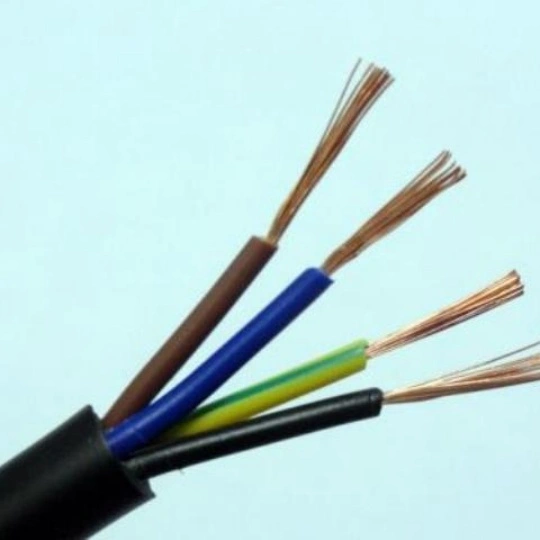
Meta Description: Discover the ultimate Protective Cable Kit designed to safeguard your cables from wear, tangles, and damage. Perfect for home, office, and industrial use. Shop now for long-lasting cable management! Protecti.
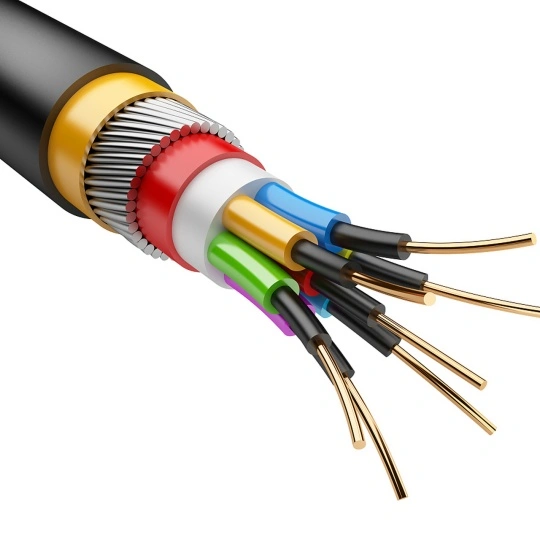
In today’s technology-driven world, maintaining uninterrupted signal integrity is critical for industrial, commercial, and residential applications. The Shielded Cable Core is engineered to deliver superior electromagnetic interference .
Feel free to reach out to us for any inquiries or orders.