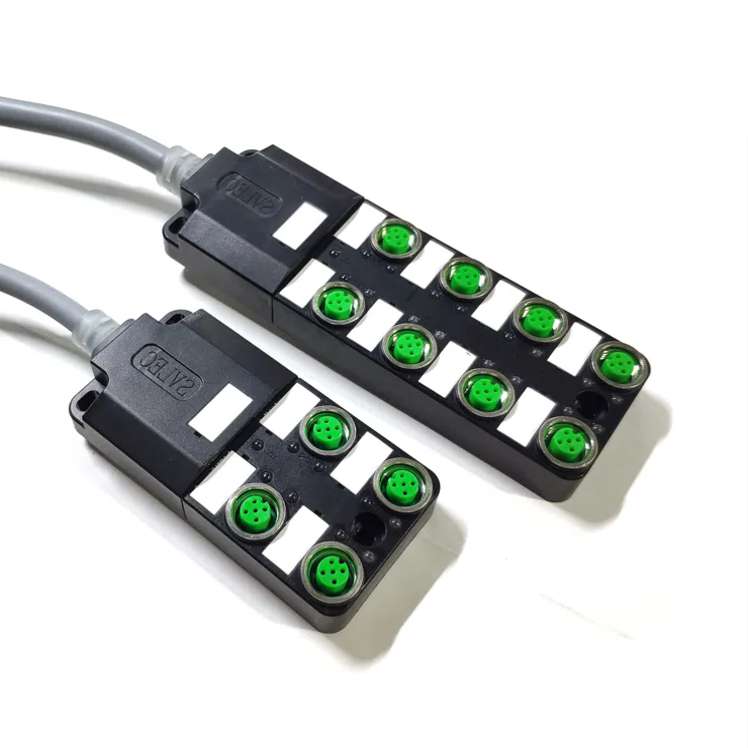
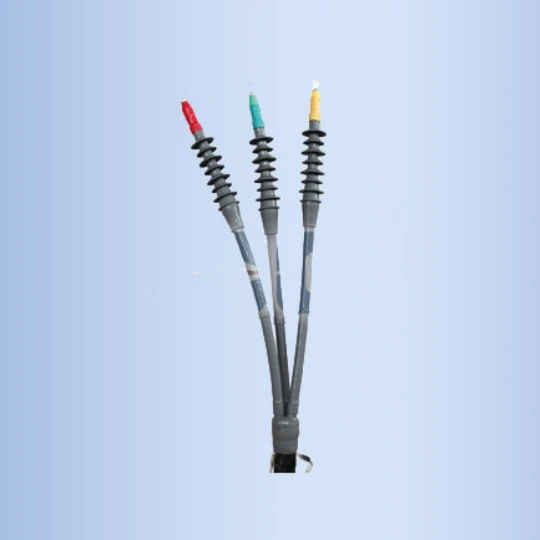
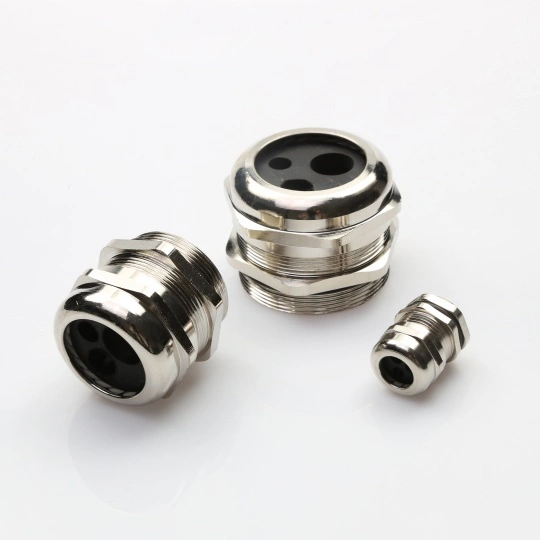
The world of Industrial IoT (IIoT) demands agility. Connecting sensors, controllers, machines, and gateways in dynamic industrial environments presents unique challenges: equipment moves, layouts change, and unexpected failures demand quick fixes. This is where modular industrial cable assemblies are proving to be game-changers. Here’s why they’re becoming essential:
Accelerated Deployment & Setup:
Problem: Traditional custom cables mean waiting weeks for manufacturing, delaying project timelines. On-site field-terminating cables is time-consuming, requires skilled labor, and risks errors or inconsistent quality.
Solution: Modular assemblies use off-the-shelf connectors and pre-made cable segments. Technicians simply connect plug-and-play components (trunk cables, drop cables, connectors) like building blocks. This drastically cuts installation time – easily by 40-60% – getting your IoT network operational faster.
Effortless Scalability & Flexibility:
Problem: Adding a new sensor, moving a machine, or reconfiguring a production line with fixed cabling means costly, disruptive rewiring or entirely new custom cables. Rigid setups hinder operational agility.
Solution: Modular systems are inherently flexible. Need to add a device? Snap in a new drop cable. Reconfigure a zone? Unplug components and rearrange them quickly. System expansion or modification becomes a simple task, done in minutes or hours instead of days, adapting seamlessly to changing IoT needs.
Minimized Downtime & Simplified Maintenance:
Problem: Cable failures in traditional systems often require tracing faults and replacing entire long cable runs – a major source of costly production downtime. Troubleshooting can be complex and slow.
Solution: Modularity enables pinpoint isolation. If a cable segment or connector fails, you replace only that specific faulty component. No need to rip out long runs. Spare modules are easy to stock at lower cost than full assemblies, leading to repairs often completed in under 30 minutes. This dramatically reduces costly unplanned downtime by up to 50% or more.
Reduced Inventory Costs & Complexity:
Problem: Supporting custom cables for various lengths, connector types, and sensor combinations requires stocking numerous unique SKUs, tying up capital and warehouse space. Managing this inventory is complex.
Solution: With modular systems, you stock standard components (different length trunks/drops, common connector types). These versatile components combine to create virtually any configuration needed on-demand. This slashes required inventory SKUs by up to 80%, simplifies management, and reduces carrying costs significantly.
Enhanced Reliability & Standardization:
Problem: Field-terminated connections are susceptible to human error, inconsistency, and environmental damage if not perfectly sealed. Varying termination quality creates reliability weak points.
Solution: Factory-terminated modular connectors are built to precise industrial standards (IP67, IP69K) for robust water/dust resistance, mechanical strength (M12, M8), and electromagnetic compatibility. This ensures consistent, high-quality connections optimized for harsh factory conditions, leading to greater overall system reliability and longevity.
Choosing the Right Modular Assembly:
When selecting, prioritize:
IP Rating: Match the environment (IP67/IP68 for wet areas, IP69K for washdown).
Connector Type: M12 (common sensor/actuator) and M8 are standard; ensure correct pin count and coding.
Compliance: Meets relevant industrial standards for your region/industry.
Supplier Support: Reliable availability of spares and compatible components.
In Summary:
Modular industrial cable assemblies solve the core connectivity challenges of IIoT deployments: reducing installation time and cost, enabling effortless adaptation to change, slashing maintenance downtime, and improving overall system resilience. By moving away from rigid, custom cabling to flexible, component-based solutions, businesses can build IoT networks that are as agile, scalable, and reliable as the data-driven processes they support. For any dynamic industrial environment embracing IoT, modular cabling is rapidly becoming the strategic, cost-effective choice.
In the complex web of industrial operations, industrial cables serve as the lifeline, ensuring the smooth transmission of power and signals. For enterprises, when selecting between standard and premium industrial cables, understanding t...
Why is Industrial Cable Certification Necessary for Exports?
In the globalized landscape of industrial trade, industrial cable certification serves as the cornerstone of market compliance, safety assurance, and competitive advantage....
Industrial cable assemblies are the backbone of modern manufacturing, enabling seamless communication, power distribution, and data transfer across complex machinery and systems. In this article, we explore what industrial cable assembl...
Industrial cable assemblies operate in demanding environments – think factory floors, offshore rigs, medical devices, or heavy machinery. Failure isn’t an option; it means downtime, repair costs, and potential safety hazards. Ensu...
Moisture inside outdoor cable terminations is a leading cause of failure in industrial settings. It leads to corrosion, short circuits, insulation breakdown, and costly downtime. Preventing water ingress is essential for reliability and...
Mining environments are brutal. Equipment faces constant punishment from rock, ore, dust, moisture, chemicals, impact, vibration, and extreme temperatures. Cable assemblies connecting power, data, and controls are often on the front lin...
In the realm of data and power transmission, industrial cables and network cables are two essential components, but they serve distinctly different purposes due to varying operational demands. While both facilitate signal or data transf...
1. Clarify the Application & Environment First
Before discussing wire gauge or connector types, define the operating context. Many industrial cable assembly failures stem from vague requirements. A clear project scope prevents r...
In marine and offshore environments, cable assemblies face relentless challenges from saltwater, humidity, temperature fluctuations, and chemical exposure. Corrosion is one of the most pervasive threats, leading to equipment failures, s...
Offshore oil rigs present one of the most punishing environments for electrical systems. Constant exposure to salt spray, humidity, temperature swings, and chemical fumes relentlessly attacks industrial cable assemblies. Corrosion in th...
Waterproof cables are essential for applications where exposure to water or moisture is a concern. They come in various types, each designed to meet specific requirements. Here are some of the common waterproof cable models:
1. JHS W...
Introduction
Industrial cable assemblies serve as the nervous system of automation, ensuring seamless communication between machines, controllers, and sensors. Their reliability directly impacts system uptime, safety, and efficiency ...
Determining the maximum safe operating temperature for high-temperature silicone insulated cables is critical for ensuring electrical safety and long-term reliability in demanding applications. This involves rigorous standardized testin...
In humid industrial environments, corrosion of industrial cables is a prevalent and troublesome issue. It not only shortens the service life of cables but also poses serious threats to the normal operation of industrial production, pote...
In the harsh world of mining, cables face relentless punishment. Sharp rocks, heavy equipment, constant movement, and abrasive dust create an environment where ordinary cables fail quickly. Mining cable assemblies, however, are engineer...
High-speed machinery, such as CNC machines, robotic arms, and automated assembly lines, relies heavily on industrial cables to transmit power, signals, and data accurately and reliably. The wrong cable choice can lead to frequent downti...
Industrial cables are the lifelines of manufacturing plants, power grids, and heavy machinery. Their conductivity directly impacts energy efficiency, operational safety, and equipment performance. A cable with poor conductivity can lead...
Industrial cables are the “nervous system” of industrial facilities, powering machinery, transmitting control signals, and enabling data exchange in environments ranging from manufacturing plants to oil refineries. Unlike re...
In modern smart factories, M12 industrial cable assembliesare the backbone of sensor networks, drives, and industrial Ethernet. However, the rise of predictive maintenanceand intelligent monitoringis transforming how these cables are sp...
When it comes to electrical systems, choosing the right cables is critical for safety, efficiency, and performance. High-voltage (HV) and low-voltage (LV) cables serve distinct purposes, and understanding their differences is essential...
Industrial cable assemblies are critical components in manufacturing, automation, and heavy machinery. Choosing the right ones—especially those certified by Underwriters Laboratories (UL)—ensures safety, reliability, and compliance. Thi...
For global buyers, the term “China industrial cable assemblies Manufacturer” often represents a critical decision point. The right partner can ensure product reliability, shorten time-to-market, and reduce long-term costs. This article ...
In industrial automation, mobile equipment is only as reliable as the cables that power and connect it. Downtime from a failed cable assembly can cost thousands of dollars per hour, making the right Industrial Cable Assemblies for Mobil...
Selecting the right RF (Radio Frequency) cable assembly is critical for ensuring optimal performance in wireless communication systems, aerospace applications, medical devices, and countless other industries. With so many options availa...
In industries where reliability, safety, and performance are non-negotiable, cable assembly servicesare a critical link in the supply chain. From industrial automation and medical devices to aerospace and EV charging, the right cable as...
When designing or upgrading electronic systems, industrial machinery, or communication networks, selecting the right cable assembly is critical. A poorly chosen cable assembly can lead to system failures, safety risks, and costly downti...
In today’s industrial and automotive environments, reliable interconnections are not optional—they are mission-critical. This is where industrial cable assemblies manufacturecomes in. These assemblies, built from cables, wires, connecto...
In the complex landscape of industrial manufacturing and automation, flexible industrial wire assemblies stand as a critical connectivity backbone, enabling seamless power transmission, signal communication, and data exchange across a w...
Industrial cable assemblies with overmolding integrate cables, connectors, and (in some cases) wire harnesses into a single, seamless unit using thermoplastic or elastomeric materials. This overmolding process goes beyond basic cable as...
Wind power systems operate in some of the planet’s most challenging environments—offshore platforms, deserts, mountainous regions, and icy tundras. These conditions demand robust infrastructure, and cable assemblies are no exception. As...
The cable industry is experiencing a seismic shift as eco-conscious consumers increasingly prioritize sustainability. Brands that have adopted green certifications, such as Energy Star, RoHS, or TCO Certified, are reporting significant ...
Introduction: Why Robots Break Cables First
In high-speed industrial robotics, the weakest link is often not the motor or gearbox, but the cable system. Robotic arms operating 24/7 in pick-and-place, welding, and assembly lines are ...
In the complex network of modern power systems, cable assemblies serve as the vital arteries that facilitate the reliable transfer of electrical energy from generation sources to end-users. Unlike standard individual cables, cable assem...
Introduction
The shipping industry faces growing pressure to reduce waste, and cable shipments are no exception. Traditional packaging methods often rely on plastic wraps, foam fillers, and non-recyclable materials that harm the envi...
In today’s high‑speed industrial environments, reliable connectivity is non‑negotiable. Industrial cable assembliesserve as the nervous system of machinery, automation systems, and telecom infrastructure. At Top Electronics (FRS), we sp...
In today’s fast-paced technological landscape, industries demand cables that are not only high-performing but also adaptable to evolving needs. Enter modular design—a game-changing approach revolutionizing cable production. This articl...
The rise of collaborative robots (cobots) has revolutionized assembly line efficiency, introducing unprecedented flexibility and safety alongside human workers. But this close-quarters collaboration demands more than just sophisticated ...
In the complex infrastructure of industrial facilities, the role of industrial cable installation services cannot be overstated. These services form the backbone of reliable power distribution, data transmission, and communication withi...
When it comes to electrical systems operating under extreme mechanical and electrical stress, high-load cable terminations are critical components that ensure seamless power transmission, safety, and system longevity. Engineered to .
Corrosion-Resistant Cable Connectors: Reliable Connectivity for Harsh Environments
Ensure uninterrupted performance in the toughest conditions with our corrosion-resistant cable connectors. Designed for durability and longevity, these.
Contact Us
Feel free to reach out to us for any inquiries or orders.